Meth Lab Cleanup: Process & What to Expect
Property-specific walkthroughs for meth lab cleanup: assessment, scope approval, hazard controls, material decisions, documentation, verification, and restoration handoff. Not every phase applies to every incident.
Posts in this category walk through a meth lab cleanup from the first inspection visit to the final clearance report. They explain what professional work looks like on site and how long it tends to take. They explain why lab wait times and failed samples can stretch the schedule. They cover what you should do before a provider arrives. You will read about early wipe testing and sealing off the work area. You will read about HEPA vacuuming with very fine filters, washing with detergent, and removing soft materials. Posts also cover duct cleaning and testing after the cleanup, with a focus on how each step feeds the next.
Get an email reply about meth lab cleanup
Send a short message to the follow-up inbox. A coordinator can reply by email. This form does not send emergency help; call 911 first if anyone is in danger.
Knowing the order of work keeps you from making costly mistakes. Examples are painting before clearance or throwing out items that could have been tested first. It also prepares you for the choices that fall to you. You may need to approve removing wallboard and decide which furniture is worth testing. You may need to wait for results even when the house looks finished. Moving back in depends on lab numbers, not on how the house looks or smells. Once you know that, you can plan housing, rental listings, and closing dates around the real timeline, not a hopeful guess. Posts also describe the handoff between tester and contractor, so you know who to call at each stage.
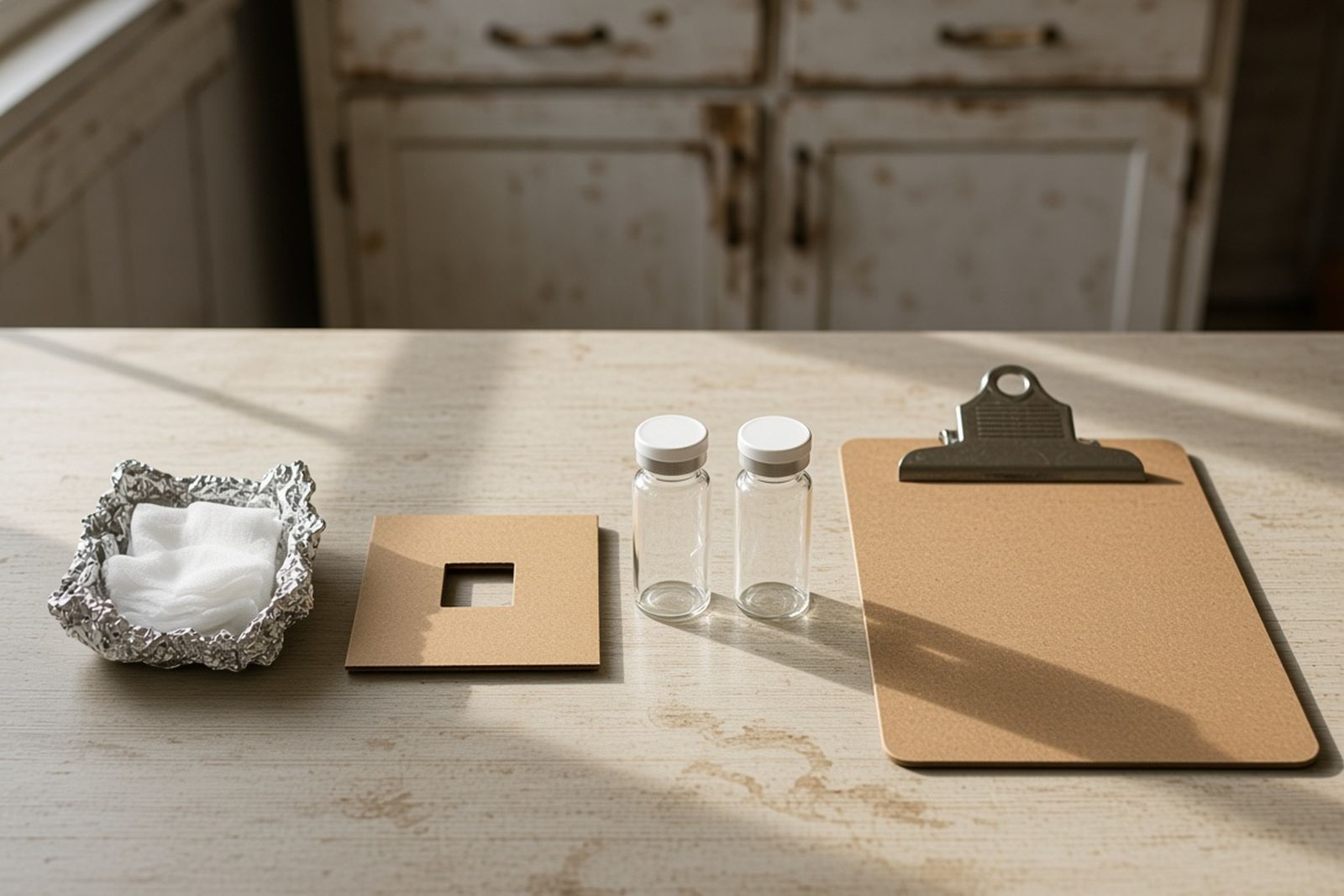
What to Expect During Professional Meth Lab Cleanup
Preliminary wipes, a written work plan, HEPA and detergent washes, drywall removal and clearance sampling: the stages of a professional meth lab cleanup.
Professional meth lab cleanup typically follows a set sequence: a preliminary assessment with wipe sampling, a written work plan, containment and protective equipment, HEPA vacuuming and repeated detergent washing, removal of porous materials that cannot be cleaned, HVAC and plumbing work, then clearance sampling by a qualified person. Nobody should move back in until clearance results show the property meets the applicable standard.
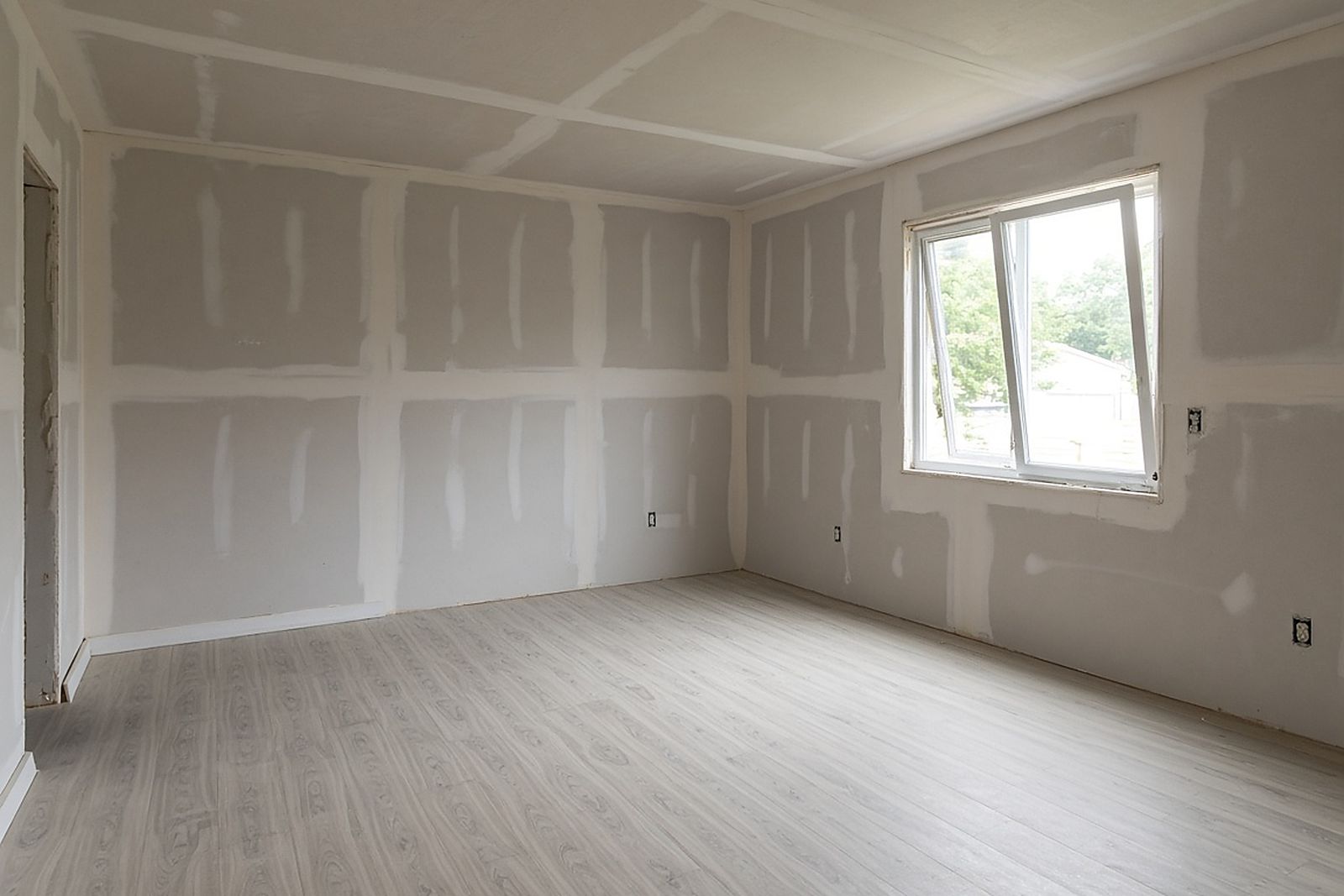
How Long Does Meth Lab Cleanup Take?
Sampling turnaround, work plan review, material removal and clearance rounds set the pace of meth lab cleanup. Learn which steps you can speed up and which not.
Meth lab cleanup usually runs longer than owners expect because the physical washing is only one piece. The timeline also includes preliminary sampling and lab turnaround, any required work plan filing or agency review, removal of contaminated materials and HVAC components, independent clearance sampling, possible re-cleaning, and paperwork before reoccupancy. Rebuilding afterward is a separate schedule.
Urgent Meth Lab Cleanup: What to Do Before a Provider Arrives
Suspect a meth lab in your rental or new home? Leave, call authorities, keep everyone out and preserve records before any cleanup contractor is hired.
If you suspect a property was used as a meth lab, leave the building, do not touch containers, equipment or stains, and call 911 or local law enforcement if there are chemicals, strong odors or signs of active production. Keep everyone out, do not start cleaning or painting, notify your insurer and local health department, and gather records so a qualified sampler and cleanup contractor can plan the work.
Sourced figures on process & what to expect
- 0.54
Wall-wipe concentrations ranged from 0.54 to 110 micrograms per 100 square centimetres.
Read with care: One property; no general prevalence or current clearance threshold inferred.
Source: Wright et al. (2019)One Australian home with suspected former manufacture, sampled more than five years later.
- 24–48 hours
EPA advises drying water-damaged areas and items within 24 to 48 hours to prevent mold growth.
Read with care: The window is shorter in warm, humid conditions.
Source: US EPA (2026)Residential guidance, United States
- 2–5x
EPA reports that concentrations of some indoor pollutants are often 2 to 5 times higher than typical outdoor concentrations.
Read with care: Refers to common pollutants such as VOCs, not specifically to drug or chemical residues.
Source: US EPA (2026)US indoor environments, general
These figures are public research and agency data, not this network's own job records. Keep each number with its population, year and limits; none of them predicts cost, timing or outcome at a specific property.
What research has found
Findings from published studies of people and properties in situations like this one. They describe what researchers observed in a specific group; they are not predictions for your case.
The study did not discern different symptom patterns between former-use and former-manufacture properties.
Methamphetamine remained detectable years after suspected manufacture.
Process & What to Expect: common questions
Why can't I repaint the walls right after washing them?
Paint can seal residue under a new layer. That may interfere with clearance testing and leave the contamination in place. Many programs require surfaces to be tested before any sealing or cosmetic work. Wait until clearance results come back within the standard that applies. Then schedule painting and other finishing work. Sealing too early can force removal later.
What happens if a clearance sample fails?
The affected area is usually cleaned again, or the material is removed. Then it is tested again. A failure in one room does not always mean the whole house failed. But the scope and schedule will change. Before work begins, ask how the contract handles cleaning and testing again. Ask who pays for extra rounds.
Should I move belongings out before assessment begins?
Not without advice. Moving items can spread residue to a new place. It may also remove clues the tester needs to see. Ask the inspector which items, if any, can be moved, and whether any should be tested first. Items taken to another home or a storage unit can carry contamination with them.
Who coordinates the sampler, contractor and health department?
Often the owner does. Sometimes a property manager, consultant, or the contractor helps. Decide early who will schedule testing, send in the work plan, and ask the agency for release. Put those roles in writing. Having one main contact cuts down on missed steps. If you handle it yourself, keep a shared calendar and a contact list with every person's role and phone number.
What paperwork should I expect at each stage?
Expect an inspection report with test results, a written work plan, and a contract with any change orders. Expect a project log with photos and waste and disposal records. You should get clearance test results with lab reports and chain-of-custody forms. You should also get a release letter if your program issues one. Ask for each document as its stage ends, not at the very end. That way gaps can be fixed while the crew is still around.
Can I stay involved without slowing the project down?
Yes. Agree on a schedule for updates, such as a short check-in at the end of each workday. Send questions in batches instead of calling the crew during tasks. Approve change orders quickly and keep the people who make decisions easy to reach. Visit only at agreed times, with the contractor walking with you. Then you can see progress without breaking the sealed-off work area or delaying testing.
What happens after the agency releases the property?
Once the release is issued, you can usually start rebuilding and cleaning for move-in. You can bring back belongings that were cleaned or stored. Keep the release letter with your clearance report. Update your insurer, lender, and property manager. Review any disclosure duties before you list or rent the property. If it was on a public list, ask how and when the list will be updated to show clearance.
Related community polls
Every count is a real visitor vote; nothing is seeded or padded. One vote per poll per device, and you can change your answer.
If a house you wanted had a documented lab cleanup that passed clearance, what would you most likely do?
Which factor would you weigh most when choosing a meth cleanup contractor?
More on meth lab cleanup
Meth Lab Cleanup services
See how the inspection, chemical cleanup, duct work, and clearance testing fit together on a former lab or heavy-use home before you hire.
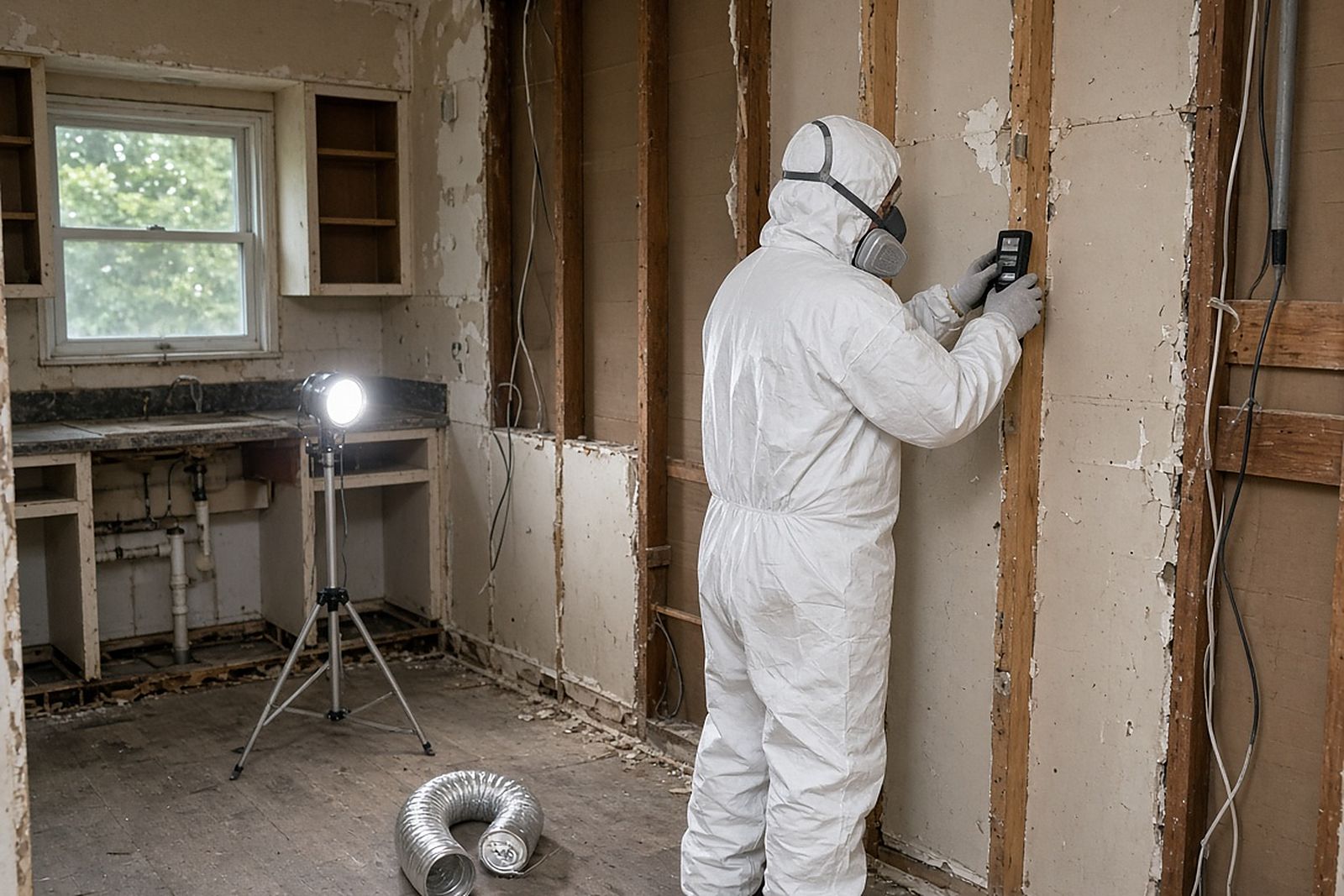
Costs explained
What drives the price, published cost ranges, and how to read a written quote line by line.
Insurance and payment
Which policies may respond, how to document a claim, and what to do if coverage is denied.
Planning tools
Use hands-on planners for lab properties. They sort out costs, questions for providers, insurance steps, first-day actions, waste types, and the risk of doing it yourself.
Community polls
See how other owners, buyers, and landlords think about disclosure, sampling, and contractor choice, then compare your own view with theirs.
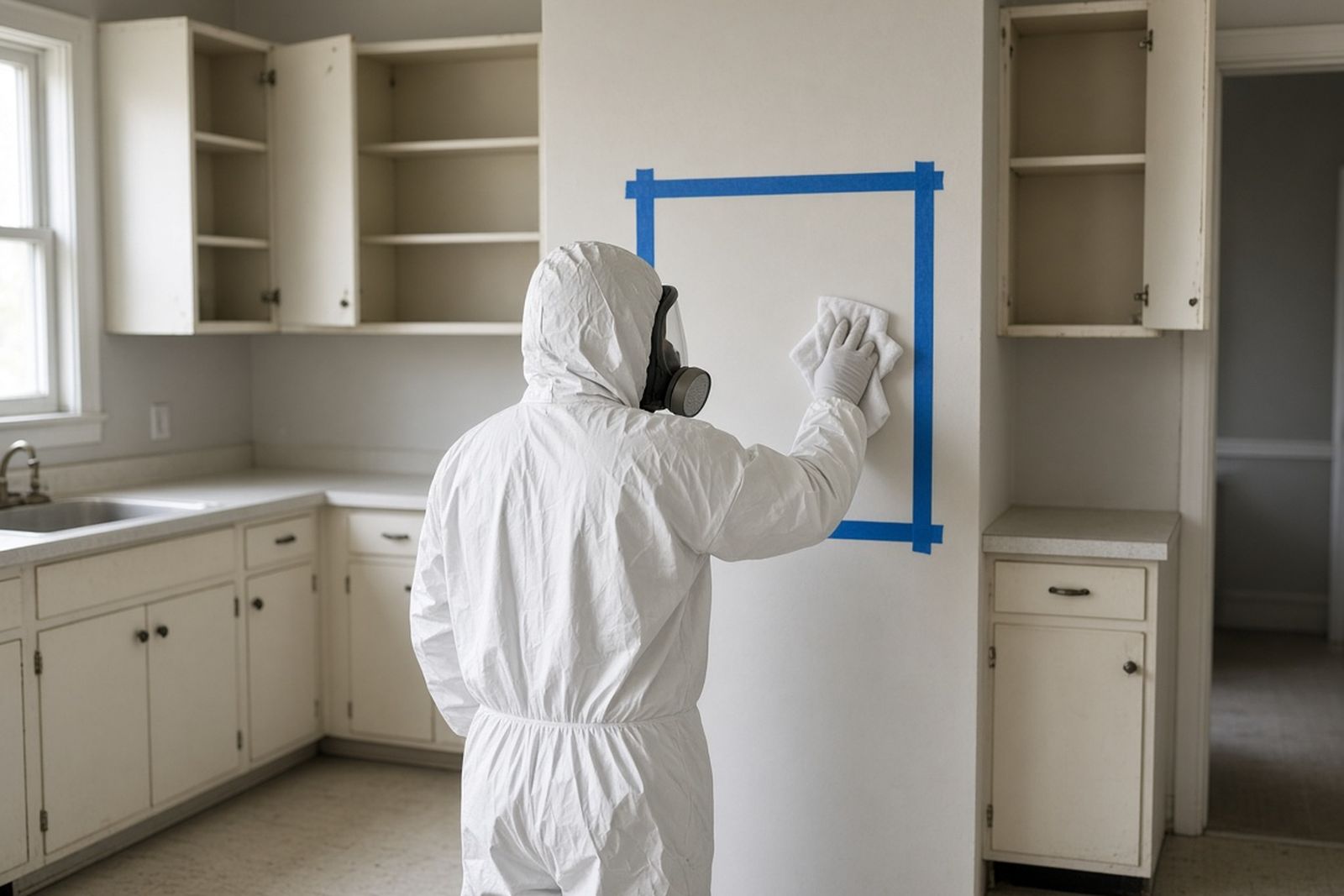
Knowledge quiz
Test what you know before you talk with a provider. Topics include how residue spreads, state programs, sealing off work areas, cleanup steps, waste, and clearance records.
Field guides
Dig into step-by-step guides on inspections, soft materials, and ducts. They also cover landlord duties and building a strong file for future buyers.
City guides
Find cleanup and testing providers who serve your area. Remember to check every credential directly with the state agency.