Meth Lab Cleanup: Industry Insights
Operational analysis of meth lab cleanup documentation, property-type differences, technology limits, environmental decisions, and provider business models—without invented case histories.
Industry insight posts explain how meth lab cleanup has changed and how the trade works today. Articles look at how state programs, residue limits, and testing practices have changed. They cover what property managers need to know about screening units, talking with tenants, and when a unit can be used again. They explain how business buildings differ from single-family homes. Other posts describe how a solid scope of work is built from test data. They cover how providers protect the environment by checking waste and cutting back on needless disposal. They also look at how new testing tools are judged. Posts also consider how real estate agents and inspectors now bring up lab history during sales.
Get an email reply about meth lab cleanup
Send a short message to the follow-up inbox. A coordinator can reply by email. This form does not send emergency help; call 911 first if anyone is in danger.
This background helps you see why proposals differ and who is responsible for what. In some places, testers and contractors must be separate businesses. In others, one firm handles both. Some companies focus on real estate sales. Others focus on rental properties or public housing. Knowing how these setups work lets you ask who holds each license and who answers for the clearance results. You can also ask whether a provider's experience matches your kind of property and deal. It also explains how pricing differs between firms.
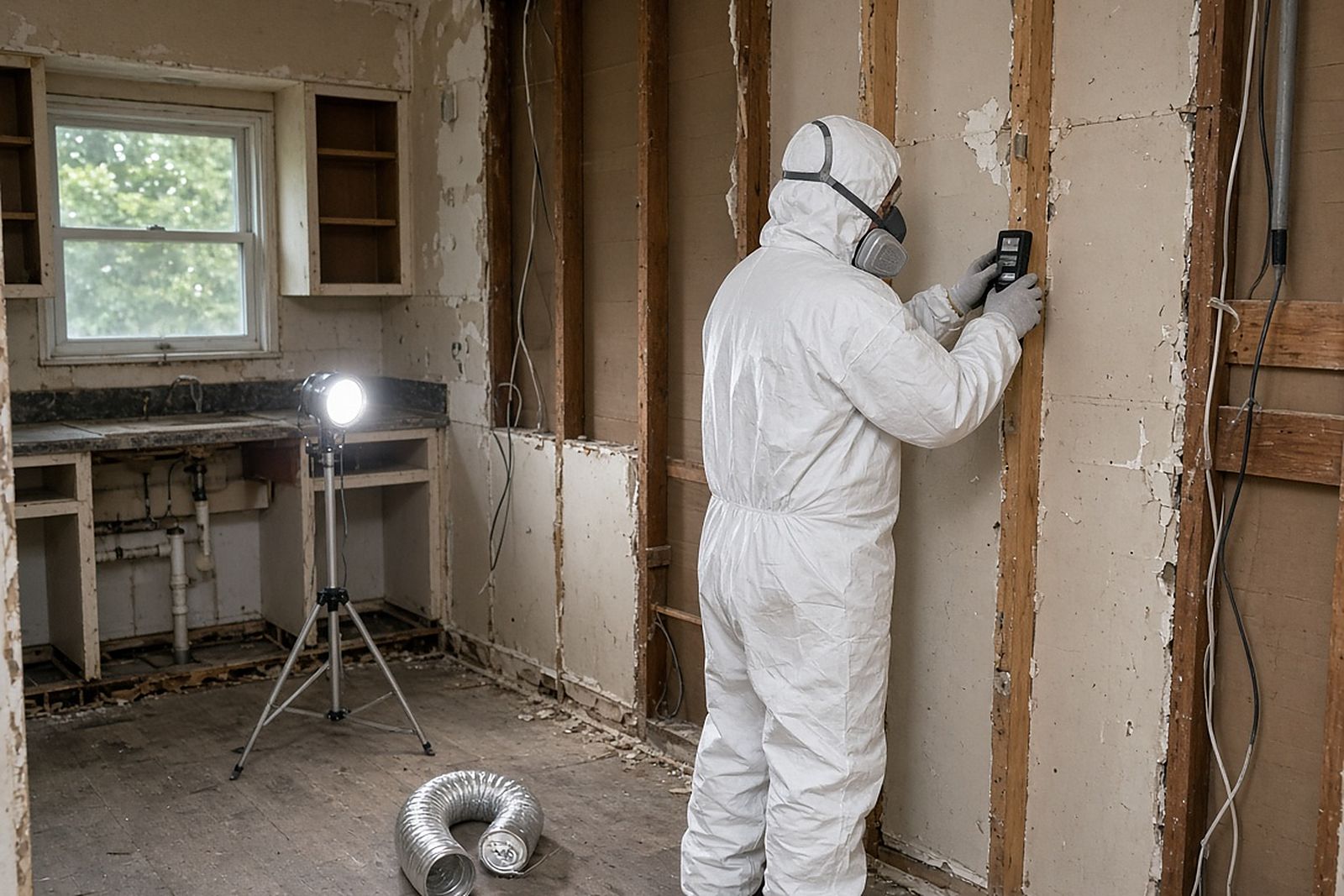
How Meth Lab Cleanup Practice Has Changed
From the home-lab boom to federal voluntary guidelines, state standards and the rise of residue from smoking: how meth lab cleanup practice has changed.
Meth lab cleanup began as an emergency response to hazardous chemicals in home labs and grew into a regulated remediation practice with state cleanup standards, federal voluntary guidelines, certified contractors and laboratory clearance sampling. As domestic lab seizures dropped sharply, attention shifted toward residue from meth use, debates about appropriate thresholds and the paperwork owners need to rent or sell a property.
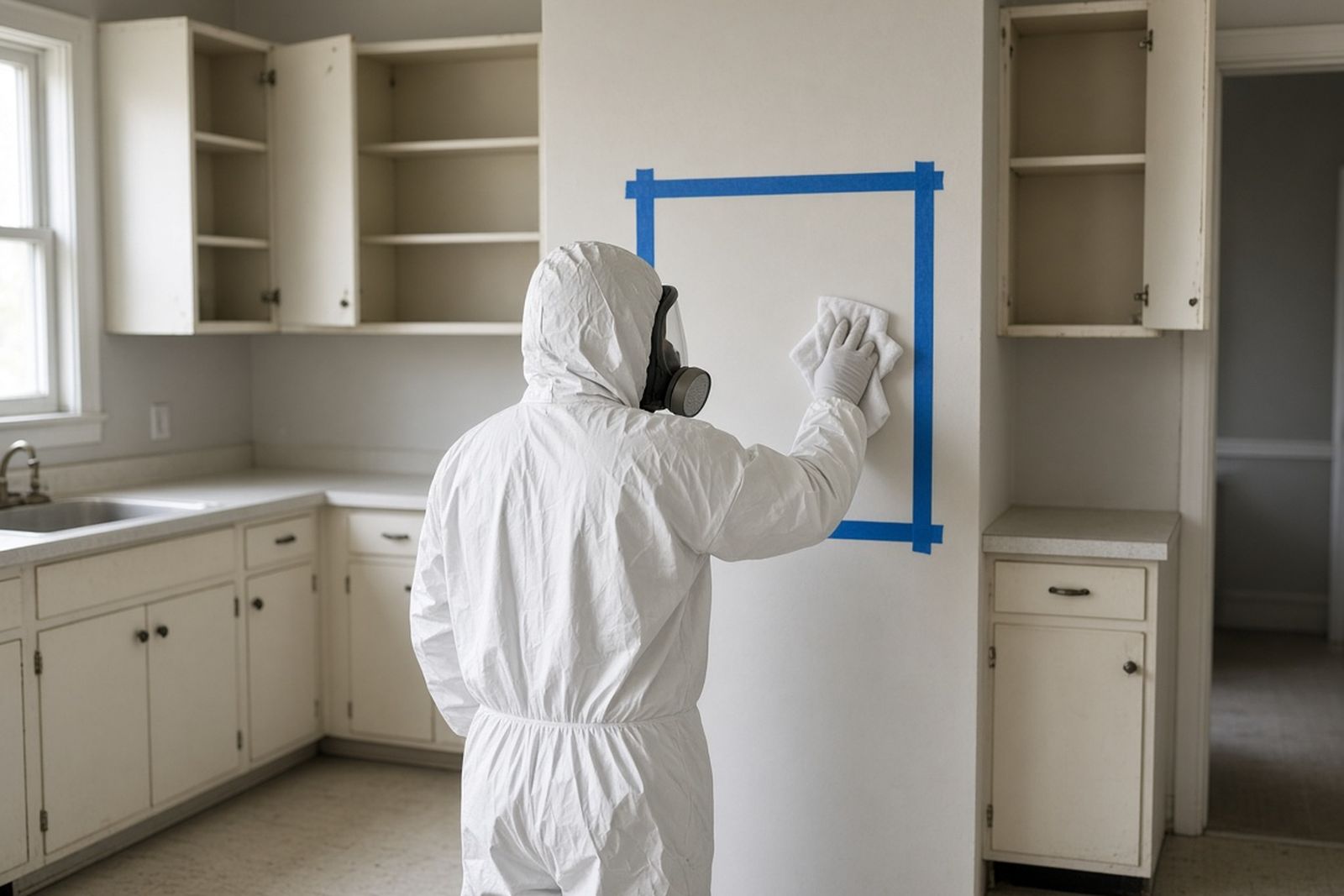
Meth Lab Cleanup for Property Managers: What You Need to Know
What landlords and managers should do after a suspected meth lab or heavy-use unit: securing it, testing, state rules, turnover timing and disclosure records.
When you suspect a rental was used to make or heavily smoke methamphetamine, stop turnover work, secure the unit, and find out which state or local program applies. Hire an independent sampler, let testing define the scope, use a qualified remediation contractor, and do not re-rent until clearance results meet the applicable standard. Keep every report for disclosure and future questions.
Meth Lab Cleanup Planning Example: Building a Defensible Scope
A fictional former meth lab traced from discovery to clearance, showing how sampling data, work plans, containment and paperwork become a defensible scope.
A defensible meth lab cleanup scope is built from sampling data, not guesses. It identifies the governing standard, maps contamination room by room, specifies which materials are removed and which are washed, addresses HVAC and plumbing, defines containment and waste handling, and ends with independent clearance sampling. This fictional example shows how each decision is made and documented.
Commercial vs Residential Meth Lab Cleanup
How meth residue cleanup differs in houses and apartments versus motels, storage units, shops and fleet vehicles: rules, sampling plans, downtime and records.
Residential and commercial meth cleanups use the same core method: sample, remove porous materials, wash hard surfaces, address HVAC and plumbing, and clear against a numeric standard. The differences lie in which rules apply, how many rooms or units must be sampled, how shared ventilation is handled, how business downtime is managed and who must be notified before people return.
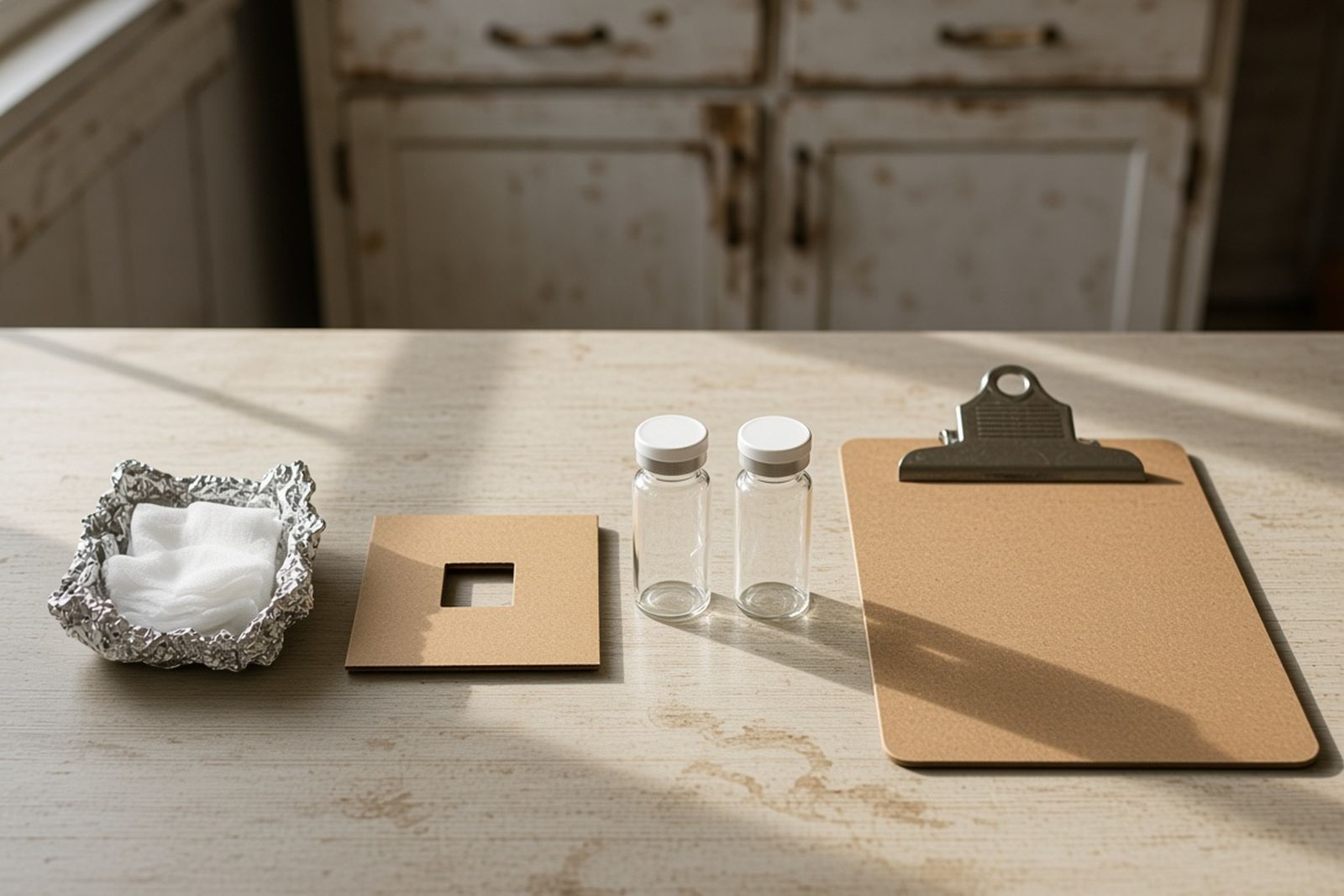
Environmental Responsibility in Meth Lab Cleanup
How a former meth lab cleanup can protect soil, septic systems and waterways, limit needless demolition and handle contaminated debris and rinse water properly.
Environmental responsibility in meth lab cleanup means keeping residue and chemicals from moving out of the building into soil, septic systems, storm drains or the wrong landfill. It involves checking for outdoor dumping, managing rinse water and debris as local rules require, removing only what testing shows must go, and documenting every waste stream so regulators and future owners can see where it went.
Sourced figures on industry insights
- 98% of surfaces
Sampling of 11 buses and 19 train cars in the Pacific Northwest detected methamphetamine in 100% of air samples and 98% of surface samples.
Read with care: Public transit, not housing; surface levels were low (max 6.86 ng/cm²).
Source: Journal of Occupational and Environmental Hygiene (2025)Four transit agencies, Pacific Northwest, 30 vehicles
- 2.6 million
In 2023, 0.9% of Americans aged 12 or older, about 2.6 million people, used methamphetamine in the past year.
Read with care: Household survey that undercounts unstably housed and incarcerated people.
Source: SAMHSA (2024)US civilian non-institutionalized population aged 12+, 2023
- 84% hospital-treated
Of people injured in meth-related chemical incidents, 84% were treated at a hospital, and the share of incidents causing injury rose from under 5% (2001–2007) to 10% (2008–2012).
Read with care: The rise in injury share coincided with the shift to one-pot labs, but causation was not proven.
Source: CDC MMWR (2015)Five-state surveillance, 2001–2012
These figures are public research and agency data, not this network's own job records. Keep each number with its population, year and limits; none of them predicts cost, timing or outcome at a specific property.
What research has found
Findings from published studies of people and properties in situations like this one. They describe what researchers observed in a specific group; they are not predictions for your case.
Commercial sorption tubes and laboratory methods successfully measured airborne methamphetamine.
Methamphetamine was detected within a mattress, not only on its exterior.
Industry Insights: common questions
Why do some states separate samplers from cleanup contractors?
Splitting the roles cuts down on a conflict of interest. Without it, the same company would clean a property and then decide whether its own work passed. An independent tester reports results with no stake in the cleanup contract. Where a split is not required, owners sometimes choose it anyway for more peace of mind.
How do property managers screen units for past meth use?
Some managers order screening samples between tenants. This is most common when there are warning signs, such as odd stains, changed vents, or reports from neighbors. Screening results can show whether a full inspection is needed. Managers should follow local rules on notice, record keeping, and tenant privacy. They should keep the results in the unit file.
Is meth decontamination becoming more standardized?
More states and local governments have adopted programs, guidance, and residue limits. Labs and training groups have also improved testing methods. Even so, the rules still vary widely, and many areas still have no formal program. Check your local rules instead of assuming that a practice common elsewhere applies to your property.
How do contractors keep up with changing standards?
Contractors often follow state program updates and attend training. They take part in industry groups and keep in touch with labs and regulators. Ask a contractor how it learns about changes and when it last updated its methods. Companies that stay current are more likely to produce reports that meet today's expectations. Ask for examples of recent changes it made.
Why do some contractors specialize only in meth cleanup?
Specialists focus on the methods, testing, and paperwork needed for meth cleanup. That can lead to deep experience and smooth processes. Others offer meth cleanup as part of wider hazardous or biohazard services. Both can do good work. Focus on training, program approvals, and the quality of sample reports, not on specialization alone.
How is technology changing the way reports are delivered?
Many contractors now provide digital reports with photos, sampling maps and laboratory results in one file, sometimes through online portals. This makes sharing with insurers, buyers and agencies easier. Ask for a digital copy and a printable version. Make sure files are saved in formats you can open years later.
What trends are shaping demand for meth cleanup services?
Demand is shaped by drug use patterns, how often properties change hands, and how aware buyers and landlords are. State rules on testing and disclosure matter too. Screening between tenants and during sales has grown in some areas. These trends can affect whether contractors are available and what they charge, so plan ahead when you can. Booking early can help when local contractors are busy.
Related community polls
Every count is a real visitor vote; nothing is seeded or padded. One vote per poll per device, and you can change your answer.
If a house you wanted had a documented lab cleanup that passed clearance, what would you most likely do?
Which factor would you weigh most when choosing a meth cleanup contractor?
More on meth lab cleanup
Meth Lab Cleanup services
See how the inspection, chemical cleanup, duct work, and clearance testing fit together on a former lab or heavy-use home before you hire.
Costs explained
What drives the price, published cost ranges, and how to read a written quote line by line.
Insurance and payment
Which policies may respond, how to document a claim, and what to do if coverage is denied.
Planning tools
Use hands-on planners for lab properties. They sort out costs, questions for providers, insurance steps, first-day actions, waste types, and the risk of doing it yourself.
Community polls
See how other owners, buyers, and landlords think about disclosure, sampling, and contractor choice, then compare your own view with theirs.
Knowledge quiz
Test what you know before you talk with a provider. Topics include how residue spreads, state programs, sealing off work areas, cleanup steps, waste, and clearance records.
Field guides
Dig into step-by-step guides on inspections, soft materials, and ducts. They also cover landlord duties and building a strong file for future buyers.
City guides
Find cleanup and testing providers who serve your area. Remember to check every credential directly with the state agency.