Meth Lab Cleanup: Health & Wellness
Looking after yourself and your family while you deal with meth lab cleanup, with trusted places to find support.
The health and wellness category covers the personal side of learning that a home was used to make or heavily smoke meth. Posts cover the stress of finding out about a lab history after buying or renting. They cover handling the disruption while the property sits empty. They cover finding mental health help when the situation is tied to a family member's drug use. Articles also discuss when to talk with a doctor about possible exposure. This matters most for children or anyone who lived in the home before testing. Other posts explain how tenants forced out by a lab discovery can find help with temporary housing.
Get an email reply about meth lab cleanup
Send a short message to the follow-up inbox. A coordinator can reply by email. This form does not send emergency help; call 911 first if anyone is in danger.
People react to these discoveries in very different ways. A buyer may feel tricked. A landlord may feel betrayed by a tenant. A parent may worry about what their child was exposed to. When the property belonged to a relative who struggled with addiction, grief and shame can make every choice harder. These posts treat those feelings as understandable. They offer practical ways to hand off tasks, pace your choices, and get support from counselors, addiction services, or community groups while the cleanup moves forward. None of these articles replace medical or counseling advice.
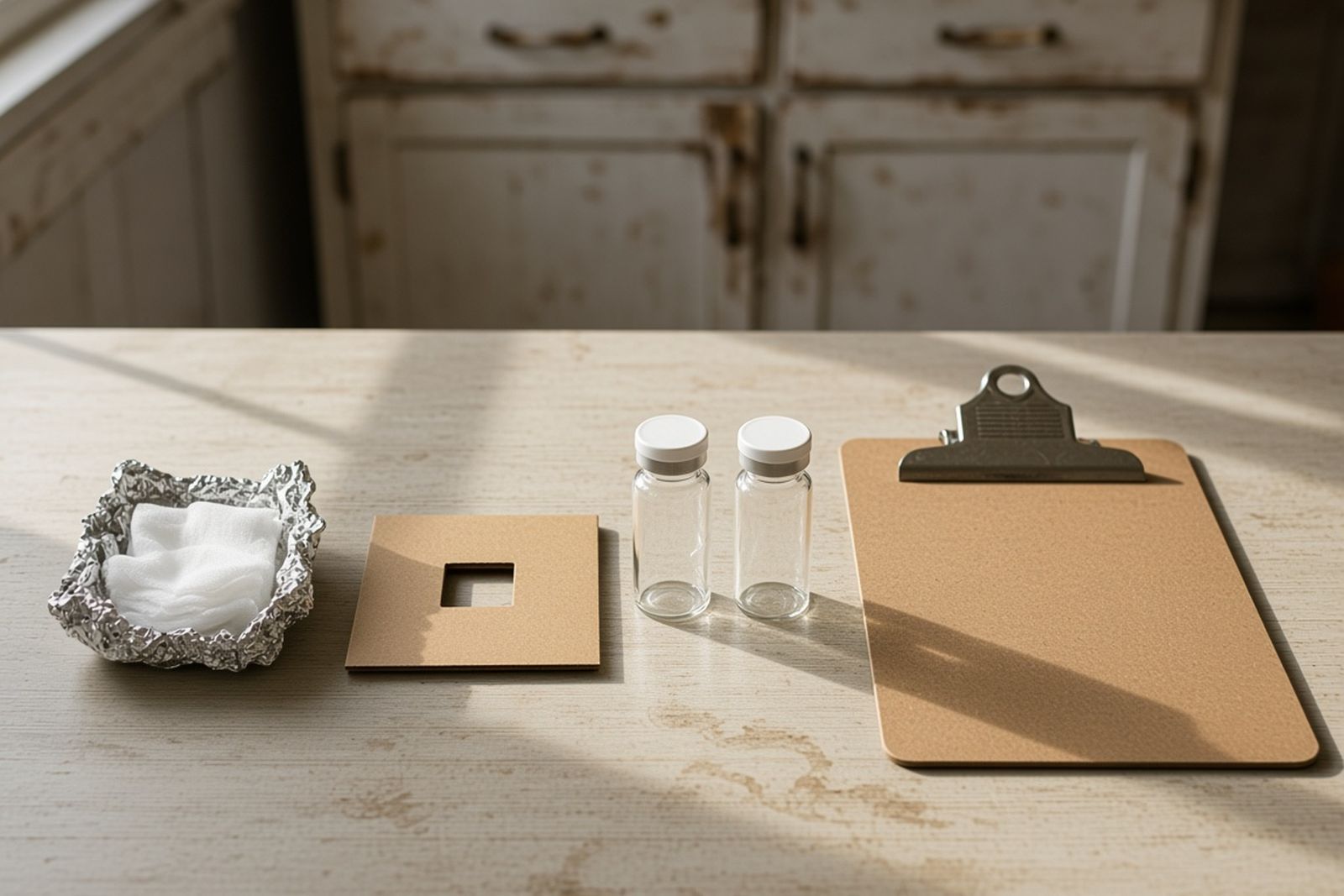
Managing Stress and Disruption During Meth Lab Cleanup
Shock, health worries, money fears and an empty property are all normal after you find meth contamination. Here is how you and your family can manage the stress.
Learning that a home was used to make or smoke meth often brings shock, a sense of betrayal, worry about family health and fear about money and resale. You can manage the stress in a few ways. Get sampling data before you assume the worst, and ask a doctor about specific symptoms. Learn exactly what your local rules require and write out a timeline. Lean on professional advice for legal and money decisions.
Mental Health Resources During Meth Lab Cleanup
Finding out your home was a meth lab is hard on the whole family. Here is where to find help for stress, health worry and a loved one's addiction, including 988.
Learning that a home was used to make or heavily smoke meth can bring shock, anger, money worries and fear about health, especially for parents. Families of the person involved may also be facing addiction or an arrest. Help can come from your doctor, a counselor, family groups and SAMHSA's National Helpline. In any crisis, call or text the 988 Suicide and Crisis Lifeline.
Facts worth knowing
A study of 63 people in 25 Australian homes contaminated by meth making or use found sleep, behavior, breathing, skin and eye problems and headaches.
Why it matters: If you have these symptoms in a home with a drug history, ask about testing; homes where meth was only used caused problems too.
In one Australian family living in a former meth lab, the 7-year-old's hair held 460 picograms of meth per milligram, versus 17 for the mother and 5 for the father.
Why it matters: Young children may absorb far more residue than adults, so consider keeping your children out until the home tests clean.
In 25 selected case studies, residents reported symptoms in homes with a wide range of surface residue levels; the study could not set a safe level.
Why it matters: Do not rely on a low reading alone to rule out a problem; talk to a doctor if you feel unwell.
Health & Wellness: common questions
Should my family see a doctor if we lived in a former meth property?
Talk with a doctor if anyone in your home has symptoms such as headaches, breathing irritation, or skin problems. Do the same if young children lived there. Share the property's history and any test results. The doctor can decide whether follow-up care makes sense. Bring the test report so they know what was found.
Where can I find support if the lab was run by a family member?
Many communities offer support groups for families affected by a loved one's drug use. Addiction treatment programs often have resources for families too. A counselor can help you work through mixed and painful feelings. Handing property decisions to a trusted person or expert can also ease the pressure while you focus on your relationships.
How can I cope with the stress of a delayed sale or move?
Break the process into stages you can track, such as inspection, cleanup, and clearance. Ask your provider for regular written updates. Keep all records in one place. Lean on a real estate lawyer or agent for questions about the deal. If stress affects your sleep or daily life, think about talking with a counselor.
What should I tell my doctor about possible exposure?
Describe where you lived or worked, how long, whether the property was a lab or use-only site, any symptoms and when they started. Bring sampling results if available. Your doctor may not be familiar with meth residue, so share information from your state health department. Ask about symptoms to watch for and when to follow up.
Can stress from the cleanup affect my physical health?
Yes. Long periods of stress can affect sleep, appetite, blood pressure and immune function. Taking breaks, staying active, eating regularly and talking with supportive people can help. If you notice ongoing physical symptoms, talk with your doctor, who can consider both stress and possible exposure. Asking for help early is a sign of good judgment, not weakness.
How can I help an older relative who lived in the property?
Help them understand the situation in clear, calm words. Help with doctor visits, paperwork, and temporary housing. Older adults may have health problems that make exposure or stress harder to handle. Encourage them to tell their doctor about any symptoms. Check in often about how they are coping emotionally. Offer rides or company when you can.
What self-care steps help during a long cleanup?
Keep regular routines for sleep, meals and exercise, and set limits on how much time you spend on project tasks each day. Share responsibilities with others and celebrate small milestones such as receiving the work plan or clearance. If you feel overwhelmed or hopeless, reach out to a counselor or call or text 988.
Related community polls
Vote to see how other people answered. You can change your answer at any time.
If a house you wanted had a documented lab cleanup that passed clearance, what would you most likely do?
Which factor would you weigh most when choosing a meth cleanup contractor?
More on meth lab cleanup
Meth Lab Cleanup services
See how the inspection, chemical cleanup, duct work, and clearance testing fit together on a former lab or heavy-use home before you hire.
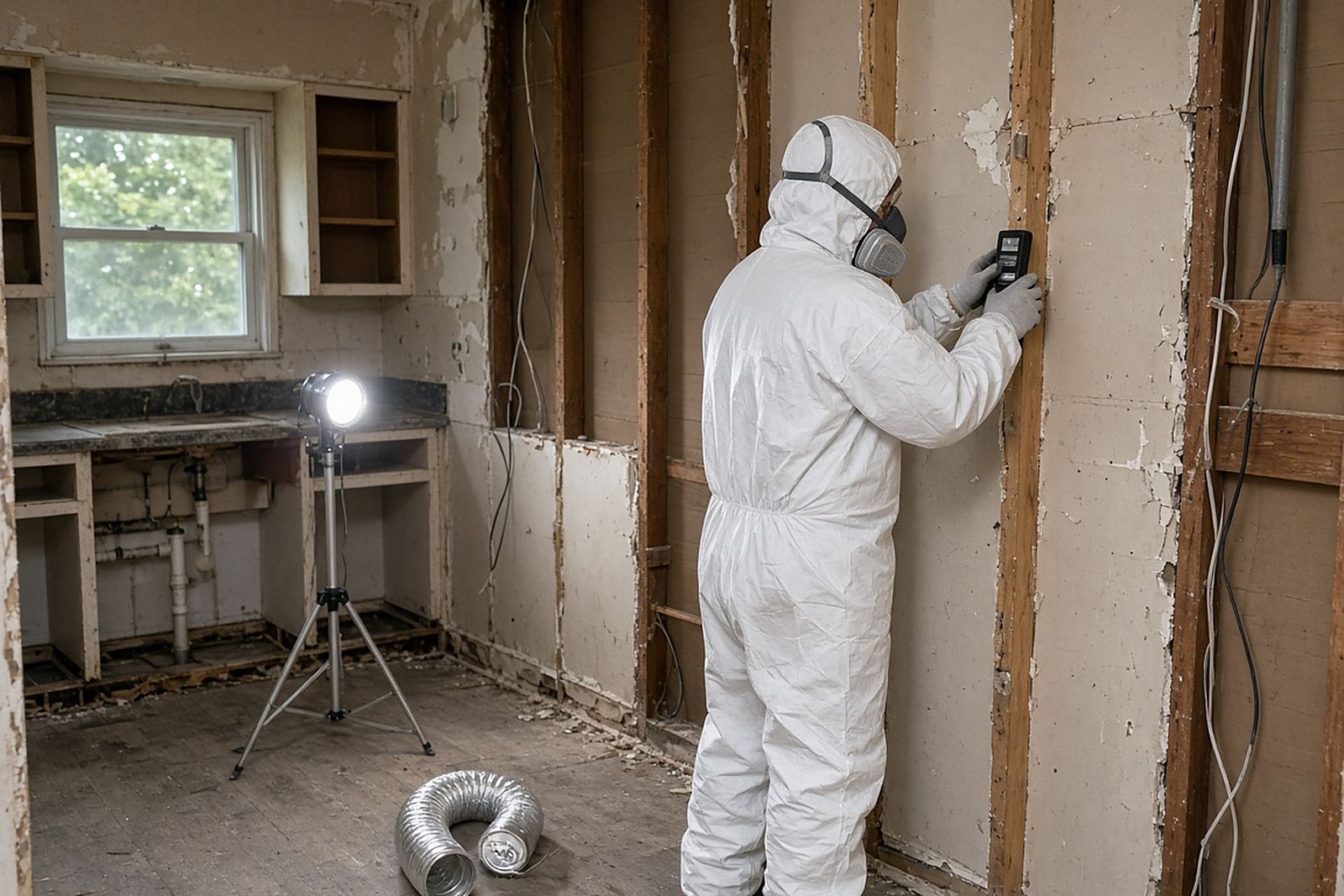
Costs explained
What drives the price, published cost ranges, and how to read a written quote line by line.
Insurance and payment
Which policies may respond, how to document a claim, and what to do if coverage is denied.
Planning tools
Use hands-on planners for lab properties. They sort out costs, questions for companies, insurance steps, first-day actions, waste types, and the risk of doing it yourself.
Community polls
See how other owners, buyers, and landlords think about disclosure, sampling, and contractor choice, then compare your own view with theirs.
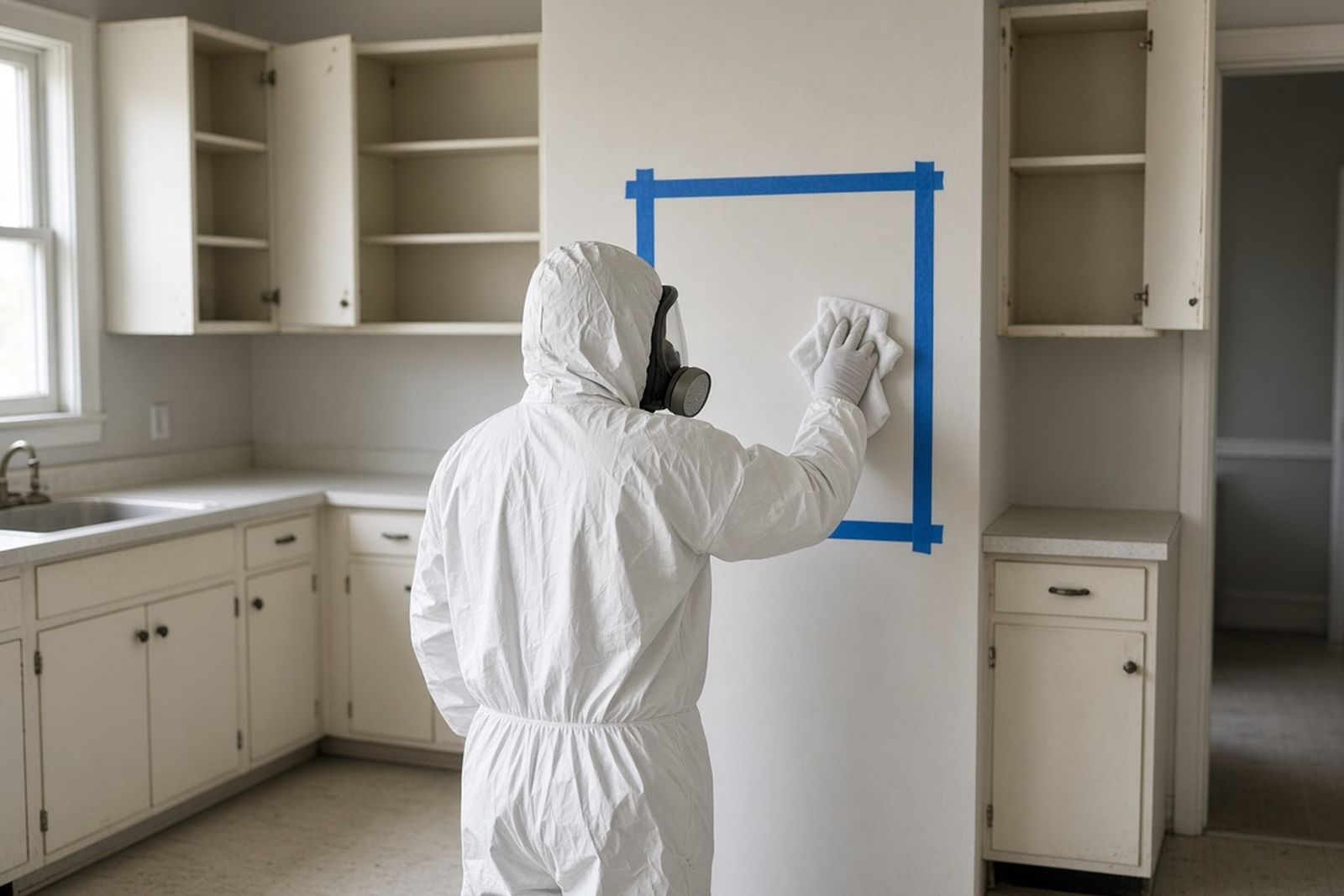
Knowledge quiz
Test what you know before you talk with a company. Topics include how residue spreads, state programs, sealing off work areas, cleanup steps, waste, and clearance records.
Field guides
Dig into step-by-step guides on inspections, soft materials, and ducts. They also cover landlord duties and building a strong file for future buyers.
City guides
Find cleanup and testing companies who serve your area. Remember to check every credential directly with the state agency.