Short answer
Learning that a home was used to make or smoke meth often brings shock, a sense of betrayal, worry about family health and fear about money and resale. You can manage the stress by getting sampling data before assuming the worst, asking a doctor about specific symptoms, learning exactly what your local rules require, building a written timeline and leaning on professional advice for legal and financial decisions.
Why the discovery is so upsetting
Most owners find out about meth contamination in an unexpected way. A police officer calls about a former tenant. A health department notice appears on the door. A pre-sale inspection turns up a positive test. A new neighbor mentions what used to go on in the house.
The news tends to land on several levels at once. There is shock that something like this happened in a place you own or live in. There may be anger at a tenant, seller or previous owner. There is worry about your family's health, especially if you have lived there for months without knowing. And there is financial fear about cleanup costs, lost rent or a stalled sale.
Those reactions are understandable. Naming them can help you separate the problems into pieces you can actually work on, rather than one overwhelming crisis.
It can also feel as though your home has been changed without your permission. A place that felt ordinary last week may now feel tainted, even before anyone has explained what the test results mean. That shift in how you see a space is a real loss, and it is reasonable to grieve it a little.
Managing health worries for yourself and your family
Health anxiety is often the heaviest part of the stress, especially for parents. It helps to replace uncertainty with information as quickly as possible.
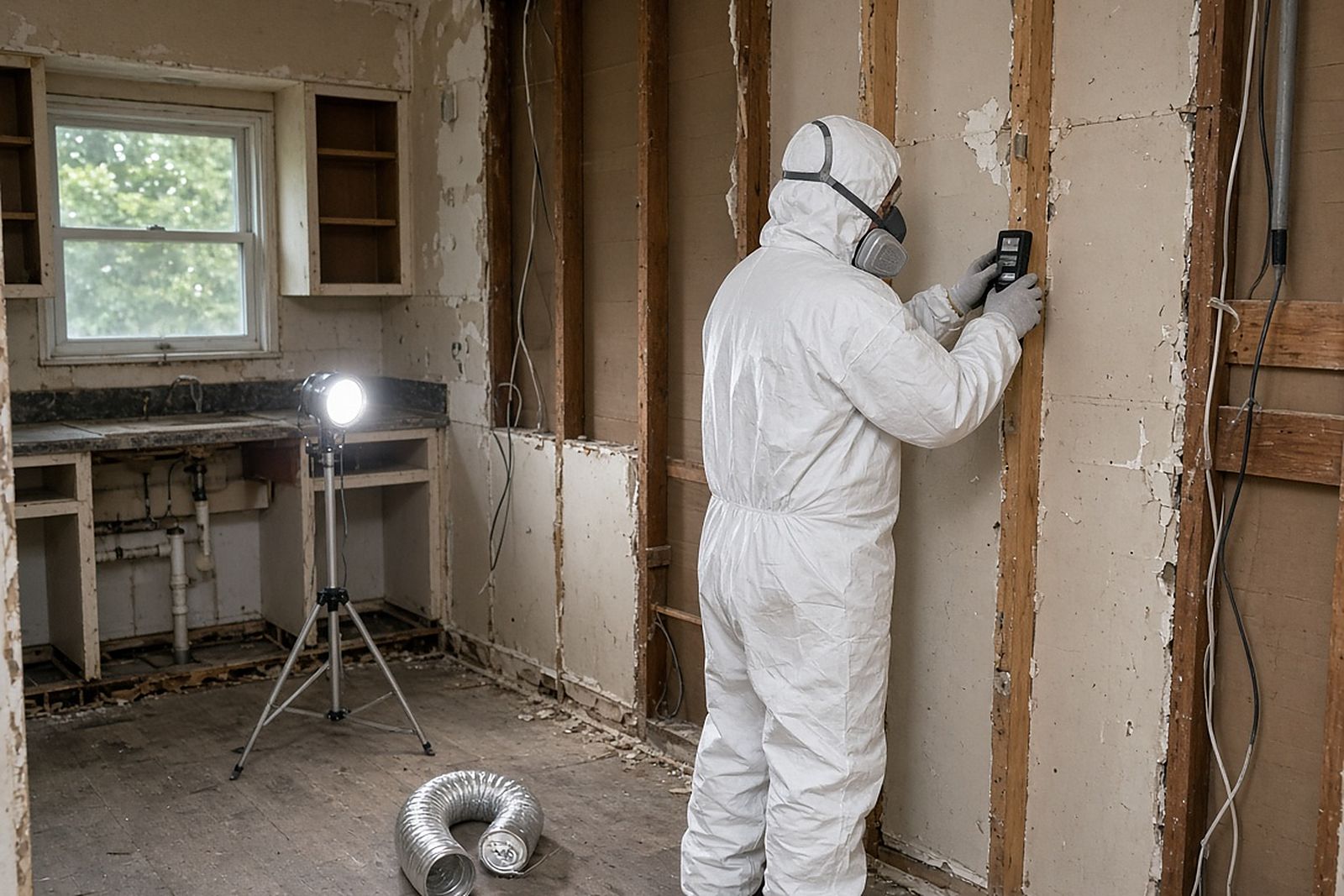
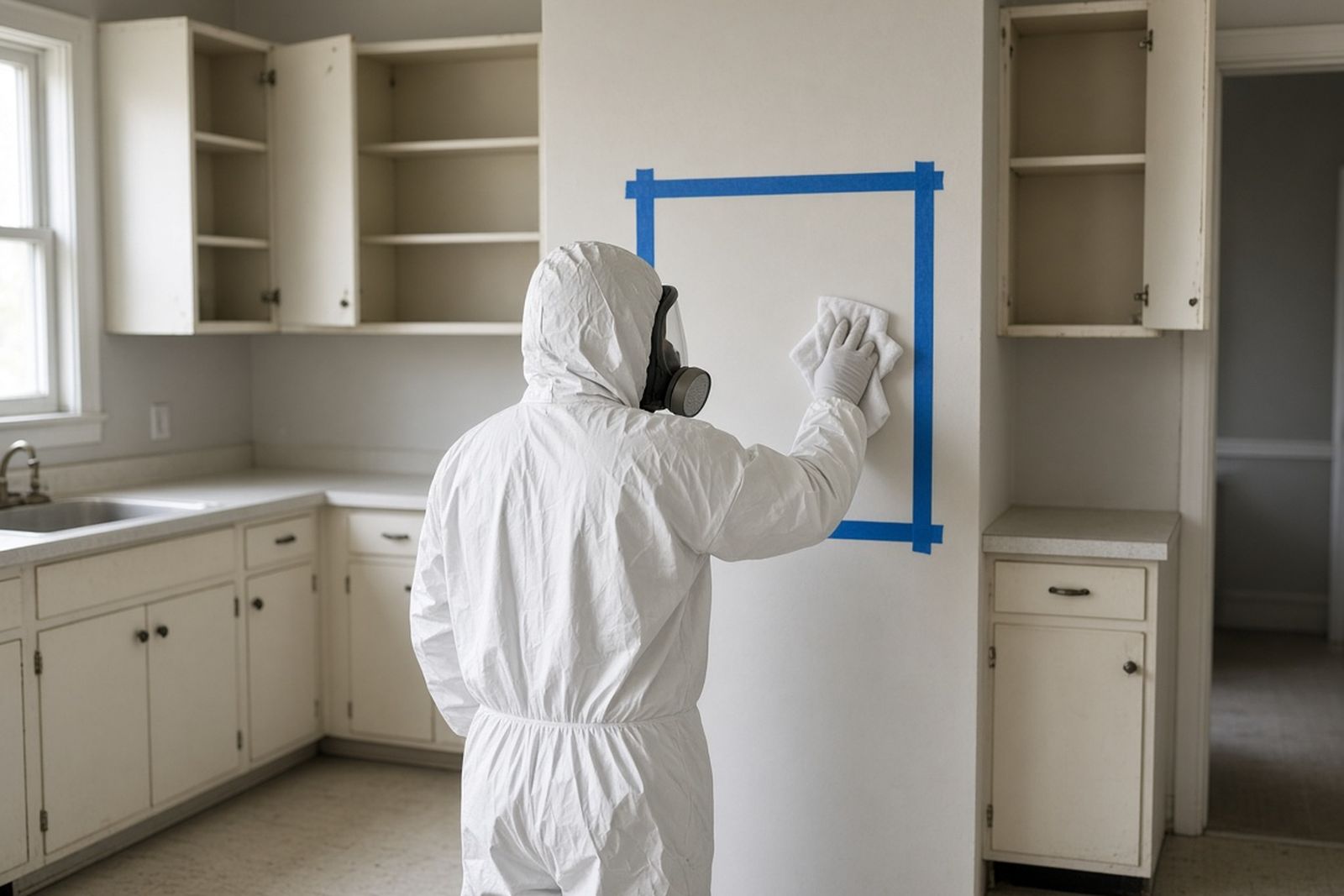
Start with sampling. A qualified sampler can collect wipe samples and have them analyzed by a laboratory. The results tell you whether surfaces are contaminated, where and roughly how much. Many owners find that having real numbers, even worrying ones, is easier than assuming the worst.
Whether anyone in your household has actually been affected is a question for a doctor, not for late-night searching online. Symptoms have many possible causes, and a clinician who knows your family is better placed to sort them out than any article.
Bring your sampling results and a list of any symptoms to that appointment. A physician or your local health department can advise whether any follow-up is appropriate. Having a plan for health questions frees up mental energy for the cleanup itself.
What if you feel betrayed or blame yourself?
Landlords sometimes feel foolish for missing the signs. Buyers may feel deceived by a seller who knew. Families may feel guilty for having moved children into the home. Those feelings are common and deserve some compassion.
Meth contamination is usually invisible. Residue does not have to leave stains, and odors may fade long before the chemicals do. Many experienced landlords and inspectors would not have noticed either.
It may also help to know that you are far from alone. This is a problem that affects ordinary homes and ordinary owners, including careful ones. If anger or self-blame keeps you from sleeping or working, consider speaking with a counselor. Processing the emotional side can make the practical decisions clearer.
Reducing the financial stress
Money worries are often the most persistent source of stress. Remediation, sampling, lost rent, temporary housing and delayed sales can add up. The uncertainty about how much it will all cost can be as stressful as the cost itself.
Break the financial picture into parts, and get each part in writing where possible:
Once you have these pieces, the total may still be hard to hear, but it will no longer be a mystery. Many owners find that a clear number, even a large one, is easier to plan around than open-ended worry. If the figure is beyond what you can manage, ask the agency whether any local assistance programs, payment arrangements or phased approaches are available.
- Preliminary sampling cost and what it will tell you.
- An itemized remediation estimate tied to sampling results.
- The contractor's policy and cost for re-cleaning and re-sampling if clearance fails.
- Expected timeline, including how long the property will be unusable.
- Whether your insurance policy might respond, confirmed directly with your insurer.
- Whether you may have a legal claim against a tenant, seller or other party, confirmed with an attorney.
The rules, and a way to divide the work
A large share of the stress comes from not knowing what the rules are. Owners often ask whether they are allowed to enter the property, whether they must disclose the contamination, whether tenants can stay and who decides when it is clean.
Answers depend on where the property is. Some states and counties have detailed programs, with certified contractors, required standards and formal release letters. Others have few rules.
A single phone call to the health or environmental agency that handles drug lab properties can relieve a lot of uncertainty. Write down what you are told, including the name of the person you spoke with. If a notice was posted, ask exactly what document or result will lift it.
If you are buying or selling, bring your real estate agent and attorney into the conversation early. Disclosure questions are much less stressful when you have professional guidance before, rather than after, you sign anything.
Households cope better when the work is shared out rather than carried by whoever happens to answer the phone first. A simple split works for many couples and families: one person handles the contractor and sampler, while another handles the attorney, the insurer and any conversations about the sale or lease.
Some tasks are worth doing early, whoever takes them on. Take the sampling results to your doctor or pediatrician and ask whether any follow-up makes sense. Call the county health department and find out exactly what the cleanup must achieve. Ask the contractor for an itemized estimate and a written timeline, and keep both where everyone can see them.
Temporary housing with relatives or friends may be part of this stage. It is disruptive, but a clear sequence, medical guidance and divided responsibilities keep a family from feeling lost while the weeks pass.
Living with disruption, and looking after yourself
Meth remediation often requires the property to be unoccupied from assessment through clearance. For owners who live there, that can mean temporary housing. For landlords, it means lost rent and conversations with tenants.
Ask your contractor for a realistic timeline that includes sampling turnaround, the cleanup itself, clearance sampling and any agency review. Ask what could extend the schedule, such as failed clearance in one room or HVAC replacement. Planning for the longer case, while hoping for the shorter one, reduces the frustration of delays.
If you are a landlord, communicate honestly and promptly with affected tenants. Explain what is known, what testing shows and what the plan is. Clear communication protects your relationship with tenants and may reduce disputes later.
Stress from meth contamination can linger. You may have trouble sleeping, find yourself replaying what happened or feel tense every time the phone rings. Those are normal responses to an unexpected problem that affects your home and finances.
Protect basic routines: sleep, meals, exercise and time with people who support you. Limit how often you check for updates, and set specific times for calls and emails about the property rather than letting them consume every day.
If you notice ongoing anxiety, low mood or strain in your relationships, consider talking with a counselor. If you or someone in your household is having thoughts of suicide, call or text 988 to reach the 988 Suicide and Crisis Lifeline in the United States.
If you have children, keep explanations simple and calm. Let them know that grown-ups are taking care of the house and that the family is safe where they are staying now.
When the stress starts to ease
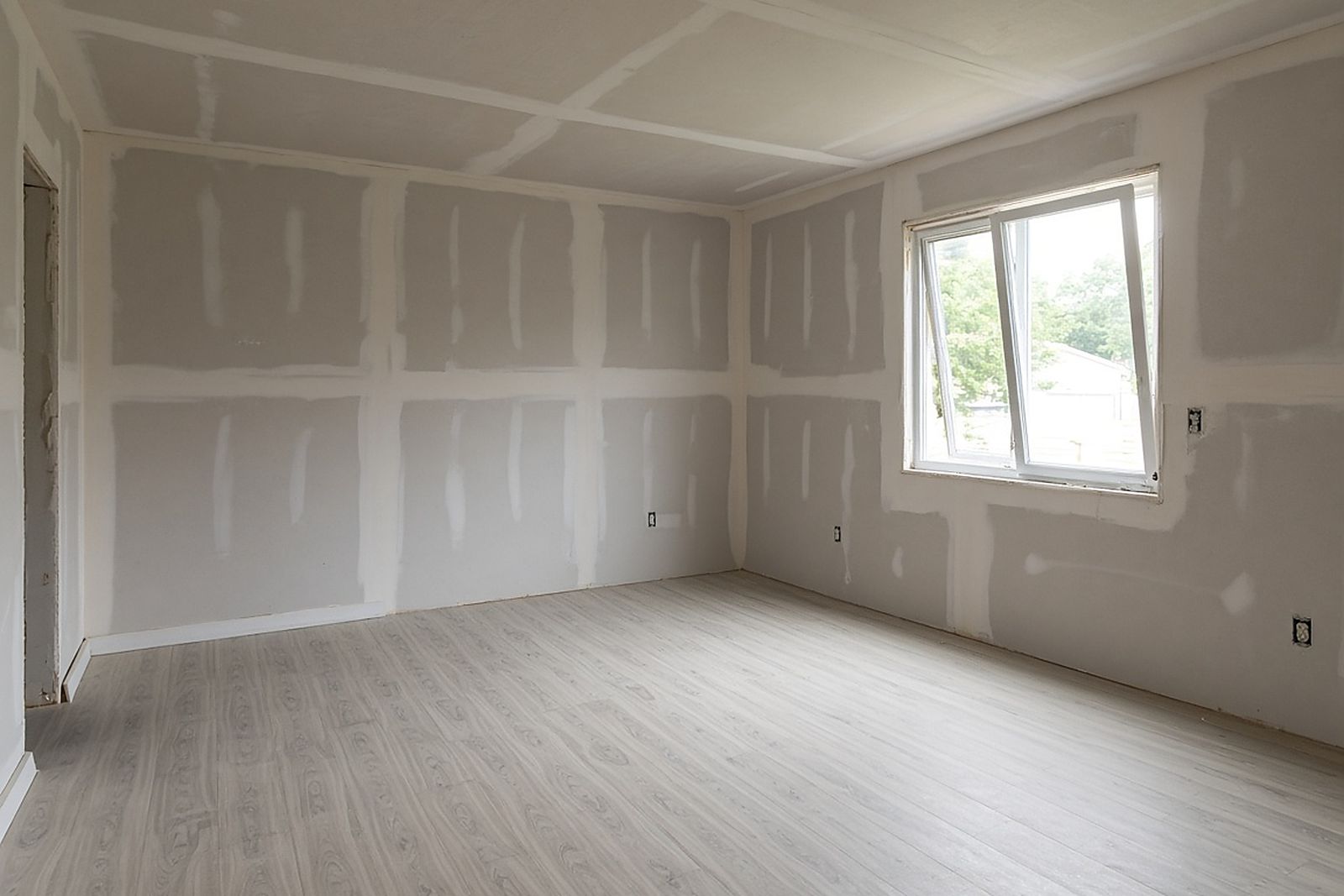
For many owners, the turning point is the clearance report. Seeing laboratory results showing the property meets the standard, and receiving any release from the local authority, gives concrete proof that the problem has been addressed.
Keep that report and every related document in a safe place. Having a complete file means that future questions, from buyers, lenders, tenants or insurers, can be answered with paperwork rather than worry.
Many owners also find that the experience changes how they manage property afterward, with better tenant screening, periodic inspections or baseline testing between tenancies. Those steps can turn a hard experience into a sense of greater control going forward.