Free meth lab cleanup tool
Meth Lab Cleanup Waste & Disposal Classifier
Five questions about the material point to the likely waste category and which authority to confirm the rules with.
A former lab creates several kinds of waste. Treating them all the same is one of the most common and costly mistakes. Leftover lab chemicals, soiled liquids, and used wash water may be hazardous waste under federal and state rules. That can require a licensed hauler, the waste shipping record, and a permitted place to take it. Removed carpet, drywall, cabinets, and furniture with residue are usually treated as contaminated debris. Some landfills accept it if you arrange it first. Others refuse it outright. Workers' protective gear, filters from HEPA machines, and plastic sheeting from the sealed-off work area fall in between, depending on local rules. The Waste & Disposal Classifier asks a short set of questions about one item. It suggests the likely category and the office to check with.
This kind of cleanup differs from a body-fluid cleanup in one big way. Sharps and regulated medical waste are less common here. Sorting chemical waste is the main job. The classifier reflects that. It asks whether the item is liquid or solid and whether it touched chemicals or residue. It asks whether it is a known lab chemical or an unknown container. It also asks whether it came from the cleanup or was part of the original scene. The suggested category is a starting point for learning. Waste rules vary by state and county. The property owner is usually treated as the one who created the waste. So confirm the category with the state environmental agency or the licensed hauler before anything leaves the site.
How to use it
- 1Describe one item at a time, such as removed carpet, a sealed bottle of unknown liquid, or used respirator filters.
- 2Answer each question about the item's form, contact with residue, and where it came from as best you can.
- 3Read the suggested category and the reason. Note where the tool flags doubt.
- 4Contact the named office or your licensed hauler to confirm before you pack or move the item.
Prefer to ask a person?
Your request is sent to the follow-up inbox. A coordinator can reply by email. Not for emergencies; call 911 first if anyone is in danger.
Work out the likely waste path
Meth Lab Cleanup waste and disposal classifier
Points you to the likely waste category and who confirms the rule. State and local definitions control; verify before anything leaves the property.
Likely regulated medical waste (biohazard)
- Materials saturated with blood or other potentially infectious material, or that would release liquid if compressed, are treated as regulated medical waste in most states.
- Packaging usually means red bags inside rigid containers, labeled with the biohazard symbol, and a licensed transporter with a manifest.
Who confirms the rule
- State health or environmental agency (regulated medical waste program)
- The remediation provider, who should name the transporter and treatment facility in writing
This is an educational sorting aid, not a regulatory determination. Waste rules vary by state and county.
A worked example
Picture a made-up owner going through a cleanup. The contractor wants to put all removed material into one large dumpster. The owner runs three items through the classifier. First is the bedroom carpet and pad that failed testing. The tool asks if the item is solid, if it touched residue, and if it came from the cleanup. It then suggests contaminated debris. It advises confirming with the landfill and the state environmental agency that they will take it. Second is a sealed jug of unlabeled liquid found in the garage after release. The tool asks if the contents are known. It flags the jug as possibly hazardous waste. It tells the owner to stop and contact the state agency or a licensed hazardous waste hauler instead of moving it. Third is the plastic sheeting and throwaway coveralls from the sealed-off work area. The tool notes that these are usually treated like the debris they touched. It suggests checking local rules. With those results in hand, the owner asks the contractor to change the waste plan. Each type of waste should be kept separate, with the hauler and final stop named for each. The contractor should also give waste shipping records or receipts. The contractor agrees and updates the written scope. The owner keeps it in the property file with the clearance report.
Numbers behind waste classifier decisions
- 0.1 µg/100 cm²
Per a NIOSH review of EPA data, the most common state methamphetamine surface cleanup limit is 0.1 µg per 100 cm².
Read with care: Many of these limits derive from analytical detection limits rather than health-based studies.
Source: NIOSH (CDC) (2020)US state standards summarized from EPA 2013 guidance
- 25 states; 0.05–1.5 µg/100 cm²
As of March 2013, 25 states required or recommended that former meth labs be cleaned to standards ranging from 0.05 to 1.5 µg of methamphetamine per 100 cm².
Read with care: Some states have since added or changed standards; a 30-fold range means 'clean' differs by state.
Source: Ohio Department of Health (2016)US states, per EPA 2013 summary
- $27.2 billion
IBISWorld sizes the broader U.S. remediation and environmental cleanup services industry at $27.2 billion in 2026, growing 1.5% that year.
Read with care: Includes soil, groundwater and hazardous-material remediation; biohazard cleanup is a small slice.
Source: IBISWorld (2026)United States, NAICS remediation services industry, 2026 estimate
- 3 steps
CDC defines sanitizing as reducing germs on surfaces to levels considered safe and disinfecting as killing remaining germs, with cleaning always performed first.
Read with care: CDC's consumer fact sheet does not state the 99.9% or 99.999% log-reduction figures often quoted; those come from EPA product testing standards.
Source: CDC (2023)United States, household surfaces, CDC consumer fact sheet
These figures are public research and agency data, not this network's own job records. Keep each number with its population, year and limits; none of them predicts cost, timing or outcome at a specific property.
Waste & Disposal Classifier questions for meth lab cleanup
Is meth residue debris considered hazardous waste?
It depends on the item, how contaminated it is, and where you are. Contaminated building materials are often handled as special or contaminated debris, not as hazardous waste. Liquids and lab chemicals are more likely to be hazardous. Rules vary by state and county. So check with the state environmental agency before you throw anything out.
What is the waste shipping record, and why does it matter to me?
It is the tracking paper that follows regulated waste from where it was created to where it is disposed of. It is signed at each handoff. As the property owner, you are often treated as the one who created the waste. So this record is your proof that the waste went where it was supposed to go. Keep copies forever as part of the property file.
Can removed materials go in a regular dumpster?
Items that never touched residue can usually follow regular trash rules. Items removed because they failed testing usually cannot be treated as regular trash. You must first confirm with the landfill and the local office. Putting contaminated debris in a regular dumpster can create legal risk for both the owner and the hauler.
Who handles unknown chemicals found after release?
The owner or a general contractor should not move unknown containers. If you think police missed them during the first response, contact the police. If the scene is closed, call a licensed hazardous waste contractor. The classifier will always tell you to stop and call instead of sorting an unknown item.
Does the classifier cover wastewater from washing?
Yes. It asks whether the item is a liquid and whether it came from the cleanup. In some places, wash water may not be allowed down a drain. The contractor should explain how it will be collected and disposed of. Check with the local wastewater office or the state environmental agency.
Can I keep metal fixtures if they are cleaned?
Sometimes. Hard items that do not soak things up, such as metal fixtures, may be cleaned and tested. Some programs let them stay if results meet the standard. Items with hidden inner parts or corrosion are harder to clean and are often thrown out. Ask your contractor which fixtures are realistic to save and whether testing is included. Write down the decision in the waste log.
What if the landfill refuses my contractor's debris?
A refusal usually means the site needs more information or does not take that type of waste. The contractor should contact the state program or find another site that takes the material. They may need to test the waste or fill out a profile for it. Ask how this affects the schedule and cost. Keep records of the refusal and the final stop in your file.
Related community polls
Every count is a real visitor vote; nothing is seeded or padded. One vote per poll per device, and you can change your answer.
If a house you wanted had a documented lab cleanup that passed clearance, what would you most likely do?
Which factor would you weigh most when choosing a meth cleanup contractor?
Other meth lab cleanup tools
Cost Range Estimator
Set the affected area, surface types, severity and extras to see an educational cost range and the factors that move it.
OpenProvider Vetting Checklist
Fifteen questions to ask any remediation provider, a readiness score, and a copyable list of what is still unanswered.
OpenInsurance Claim Organizer
A guided checklist from finding the policy to tracking the carrier decision, with a printable summary of where the claim stands.
OpenFirst 24 Hours Planner
Tell the planner a few facts about the situation and get an ordered list of who to call, what not to touch, and what to photograph.
OpenDIY or Call a Pro? Risk Check
Eight yes-or-no questions that produce a risk level and explain when professional help is the safer choice.
OpenMore on meth lab cleanup
Meth Lab Cleanup services
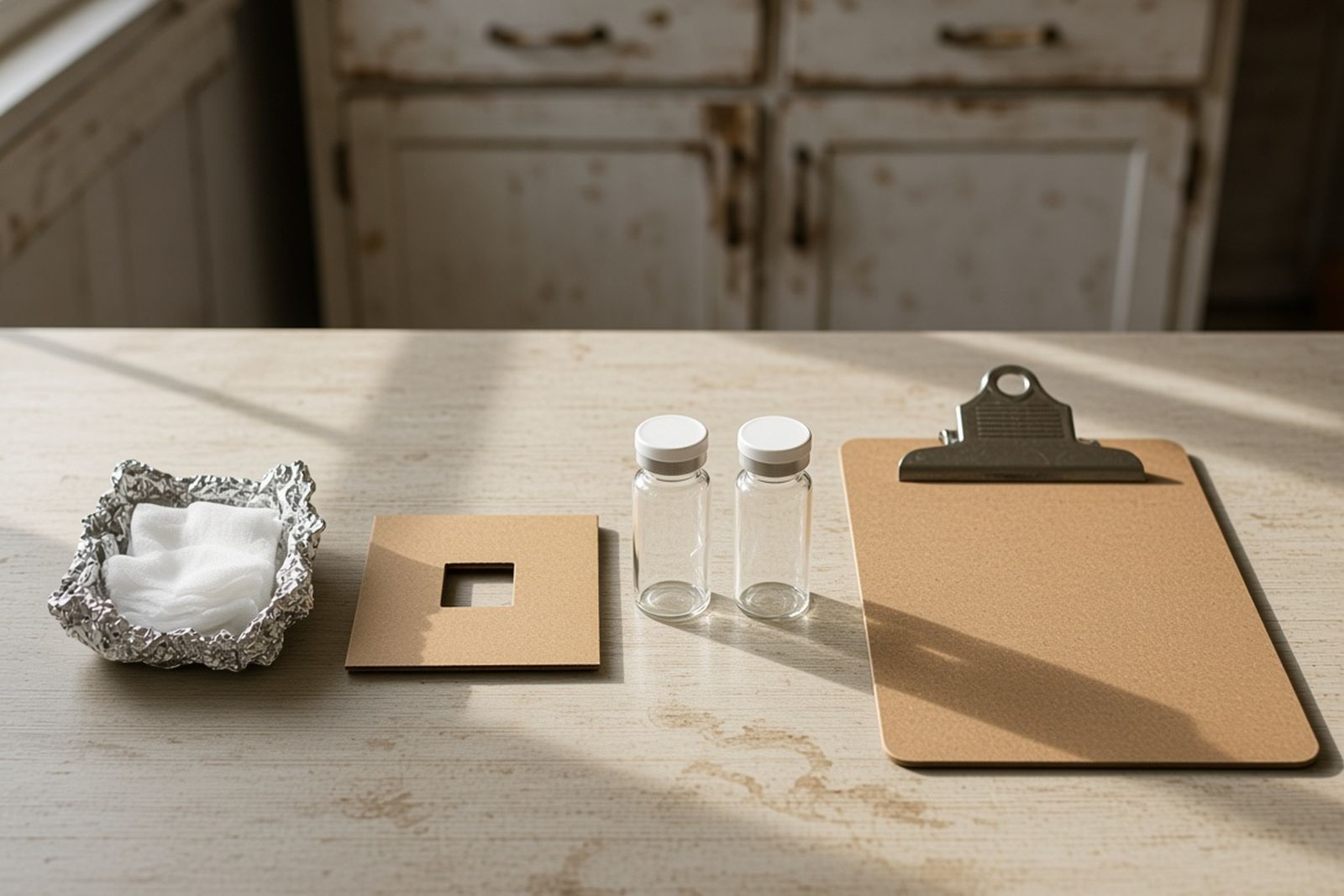
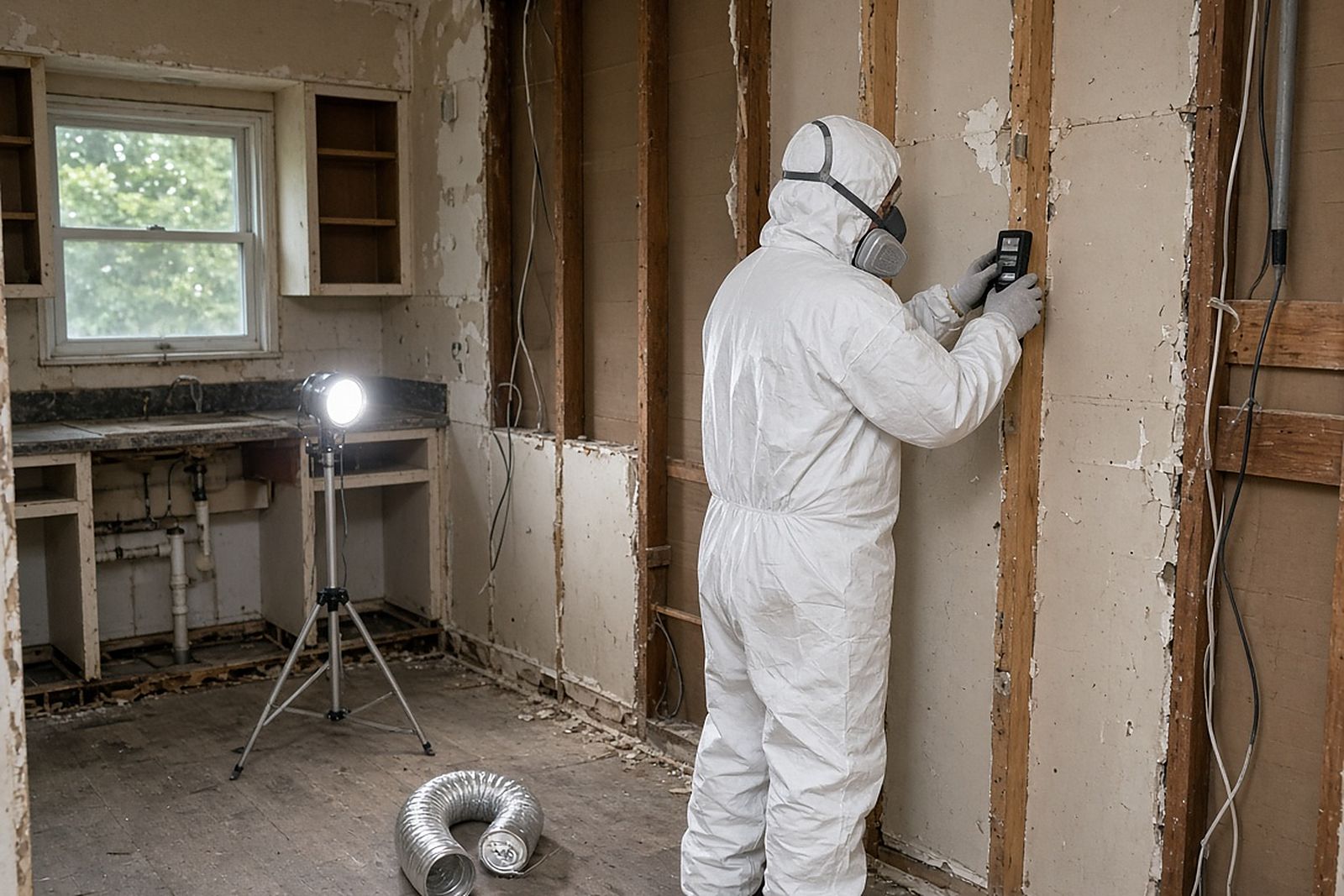
See how the inspection, chemical cleanup, duct work, and clearance testing fit together on a former lab or heavy-use home before you hire.
Costs explained
What drives the price, published cost ranges, and how to read a written quote line by line.
Insurance and payment
Which policies may respond, how to document a claim, and what to do if coverage is denied.
Community polls
See how other owners, buyers, and landlords think about disclosure, sampling, and contractor choice, then compare your own view with theirs.
Knowledge quiz
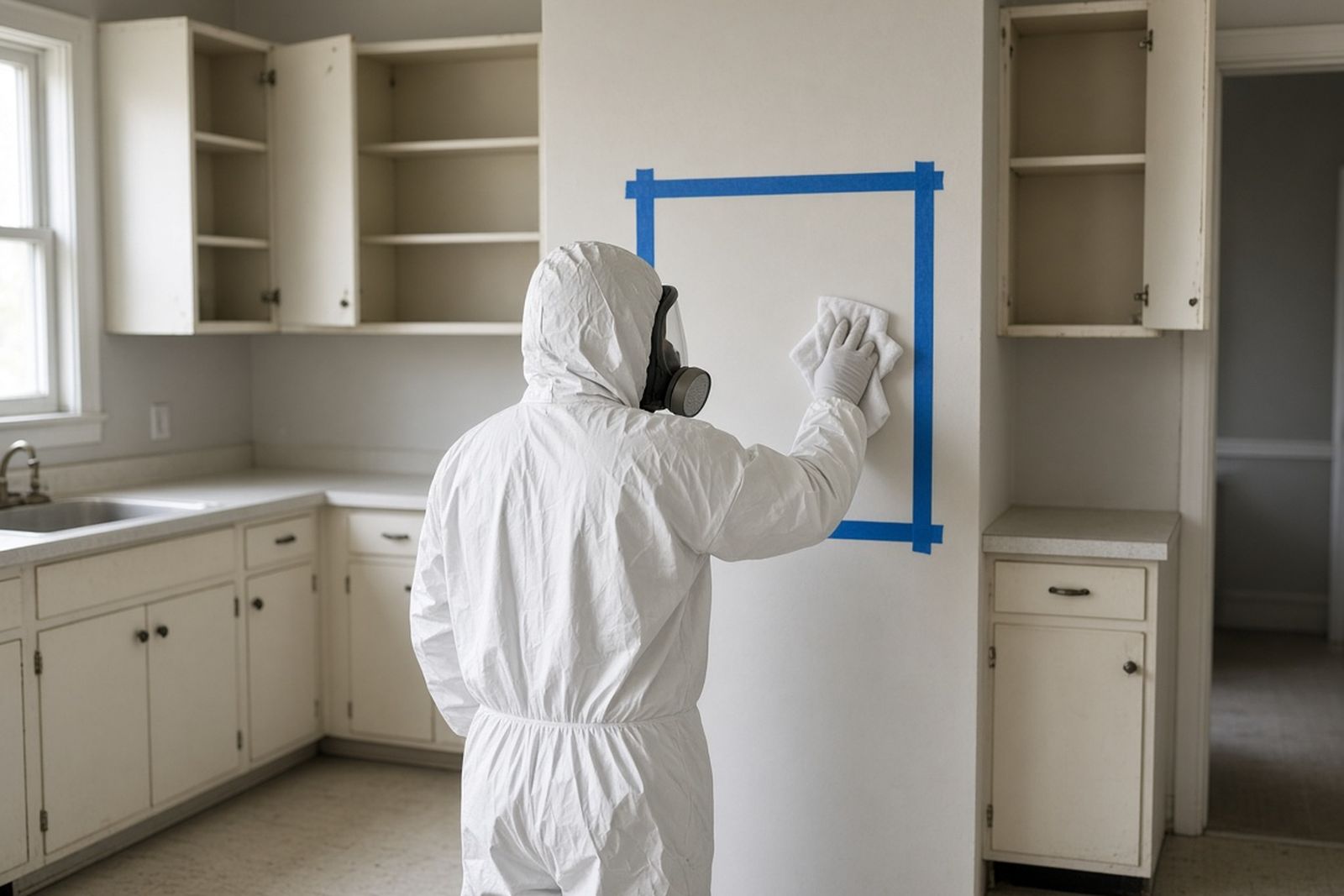
Test what you know before you talk with a provider. Topics include how residue spreads, state programs, sealing off work areas, cleanup steps, waste, and clearance records.
Articles and resources
Read plain explanations of state rule changes, testing questions, disclosure disputes, and lessons from real cleanups across the country.
Field guides
Dig into step-by-step guides on inspections, soft materials, and ducts. They also cover landlord duties and building a strong file for future buyers.
City guides
Find cleanup and testing providers who serve your area. Remember to check every credential directly with the state agency.