Free meth lab cleanup tool
Meth Lab Cleanup Insurance Claim Organizer
A guided checklist from finding the policy to tracking the carrier decision, with a printable summary of where the claim stands.
Insurance claims for drug-lab contamination are often disputed. Some policies leave out pollution, contamination, or illegal acts by tenants. Others cover vandalism or property damage under certain conditions. The result often turns on a few things. How is the cause of loss described? How fast was the insurer told? How well was the damage recorded before anything was moved or cleaned? The Insurance Claim Organizer walks you through those steps in order. You find your policy and read the sections that matter. You describe the cause of loss accurately and give notice. You record conditions and get a written scope from a qualified contractor. Then you track the insurer's decision and any deadlines to appeal. A progress checklist shows where you stand. A printable summary keeps the record in one place.
This tool cannot tell you whether your policy will pay. Nothing on this site should be read as a prediction of coverage. What it can do is prevent common mistakes that weaken a claim. These include cleaning before taking photos and throwing things out before the adjuster sees them. They also include describing the loss loosely or missing a notice deadline. For landlords, the organizer also prompts you to gather the lease, the police report, and any agency notices. Insurers often ask for them. If the claim is denied, a well-organized file supports an appeal or a talk with a lawyer. Keep every letter, email, and phone log. Record the names and dates of every contact with the insurer.
How to use it
- 1Find your policy. Note the sections about contamination, pollution, vandalism, and tenant acts.
- 2Describe the cause of loss with facts, using the police report or agency notice. Give the insurer written notice as your policy requires.
- 3Before any cleaning, photograph and list affected rooms, materials, and duct parts. Gather the lease, reports, and test results.
- 4Get a written scope from a qualified contractor and send it in. Log every contact and decision until the claim is settled.
Prefer to ask a person?
Your request is sent to the follow-up inbox. A coordinator can reply by email. Not for emergencies; call 911 first if anyone is in danger.
Organize an insurance claim
Meth Lab Cleanup insurance claim organizer
A checklist to keep the claim orderly. It stores nothing on our servers; copy the summary to your own notes.
0 of 18 steps recorded (0%)
Print or paste the summary into your own records. Coverage is the carrier's decision under the policy; keep every answer in writing.
A worked example
Picture a made-up landlord. His property manager finds a lab setup during a move-out inspection. Police remove the chemicals. The landlord gets a notice from the county health department. It says the unit needs an inspection before it can be rented again. He opens the organizer. The first step sends him to his landlord policy. There he finds a section on vandalism and a separate exclusion for pollutants. He marks both for the adjuster. In the cause-of-loss step, he attaches the police report number and the health department letter. He describes the event in plain terms instead of guessing at legal labels. He gives written notice the way his policy requires and records the claim number. Before the inspector arrives, he takes photos. He shoots the stained ceilings, the corroded sink, the thermostat showing the system had been running, and the vent covers. He adds the lease and the tenant's application to the file. The inspector produces test results. A cleanup company gives a written scope that splits out washing, removal, duct replacement, and clearance testing. He uploads both to the insurer's website and logs the date. When the adjuster asks whether the landlord knew the tenant, he answers from the file, not from memory. Part of the claim is turned down at first. The printable summary later becomes the backbone of his appeal.
Numbers behind claim organizer decisions
- NZ$10,300 to NZ$3,500
After New Zealand raised its residential meth contamination threshold in 2018, average tenancy-tribunal remediation awards fell from NZ$10,300 to NZ$3,500.
Read with care: New Zealand costs and legal context differ from the US.
Source: Journal of the Royal Society of New Zealand (2023)195 tribunal orders after 2018 vs 685 before, New Zealand
- 6-year limitations period
Minnesota law requires sellers who know of meth production on a property to disclose it in writing before a sale, and buyers may sue for remediation costs within six years.
Read with care: Disclosure duty applies only to known production; other states' rules differ or do not exist.
Source: Minnesota Legislature, Office of the Revisor of Statutes (2024)Minnesota real-property transfers
- 18 states + DC
As of April 2025, 18 states plus D.C. had no laws at all governing cleanup of properties contaminated by controlled substances.
Read with care: Absence of a law does not mean absence of local health-department orders or seller disclosure duties.
Source: Legislative Analysis and Public Policy Association (2025)All 50 US states, D.C. and territories, research current as of March 2025
- every 3 years
Hazmat employees must receive recurrent DOT training at least once every three years.
Read with care: Records must be kept for the prior three years plus 90 days after employment ends.
Source: DOT PHMSA (49 CFR via Cornell LII) (2024)United States, all hazmat employees
These figures are public research and agency data, not this network's own job records. Keep each number with its population, year and limits; none of them predicts cost, timing or outcome at a specific property.
Insurance Claim Organizer questions for meth lab cleanup
Is meth contamination usually covered?
There is no reliable general answer. Coverage depends on the type of policy, what it leaves out, and how the loss is described. Some landlord policies pay for tenant vandalism. But pollution or contamination exclusions may limit or wipe out what you can recover. Read your own policy and give notice. Let the insurer make a written decision instead of assuming the outcome.
Should I start cleanup before the carrier responds?
Take steps to secure the property and prevent more harm. For example, shut off the heating and cooling system and keep people out. But do not remove materials until the adjuster has inspected, or has approved going ahead in writing. If a health order sets deadlines, tell the insurer right away and write down the conflict. Either way, photograph everything first.
What documents will the carrier most likely request?
Expect requests for the police or agency report and the lease and tenant screening records. They will likely want photos, the inspection with test results, the contractor's written scope, and any invoices. Landlords are often asked when they last inspected the unit. The organizer's document step lists these items. Then you can gather them early instead of rushing after a request arrives.
How do I describe the cause of loss without hurting my claim?
Describe what happened with facts and attach the official reports. Do not guess at legal labels. Do not use words like pollution unless the report uses them. Do not play it down either, since wrong descriptions can lead to a denial later. If you are not sure how to word it, ask a public adjuster or a lawyer before you send the notice.
What if the claim is denied?
Ask for the denial in writing, with the exact policy wording it relies on. Compare it with your policy and your file. Many denials can be appealed. Some states have an insurance regulator that takes complaints. A lawyer who knows property coverage can judge whether the exclusion was applied correctly. Your organized file makes that review faster.
How should I organize photos for the claim?
Group photos by room and by date. Name files so the adjuster can match them to your list of items, such as the room name followed by the item. Include wide shots that show the setting and close-ups of stains, damaged fixtures, and removed materials. Keep the originals unedited. Add a short index that says what each folder holds. Store copies in more than one place so nothing is lost.
What should I track when the claim involves a tenant?
Keep the lease, move-in and move-out inspection reports, rent records, notices you sent, and any messages with the tenant or police. Record the date you learned of the contamination and each step you took after. If you go after the tenant for costs, the same file supports that effort. List lost rent separately, since it may be handled under a different part of your policy.
Related community polls
Every count is a real visitor vote; nothing is seeded or padded. One vote per poll per device, and you can change your answer.
If a house you wanted had a documented lab cleanup that passed clearance, what would you most likely do?
Which factor would you weigh most when choosing a meth cleanup contractor?
Other meth lab cleanup tools
Cost Range Estimator
Set the affected area, surface types, severity and extras to see an educational cost range and the factors that move it.
OpenProvider Vetting Checklist
Fifteen questions to ask any remediation provider, a readiness score, and a copyable list of what is still unanswered.
OpenFirst 24 Hours Planner
Tell the planner a few facts about the situation and get an ordered list of who to call, what not to touch, and what to photograph.
OpenWaste & Disposal Classifier
Five questions about the material point to the likely waste category and which authority to confirm the rules with.
OpenDIY or Call a Pro? Risk Check
Eight yes-or-no questions that produce a risk level and explain when professional help is the safer choice.
OpenMore on meth lab cleanup
Meth Lab Cleanup services
See how the inspection, chemical cleanup, duct work, and clearance testing fit together on a former lab or heavy-use home before you hire.
Costs explained
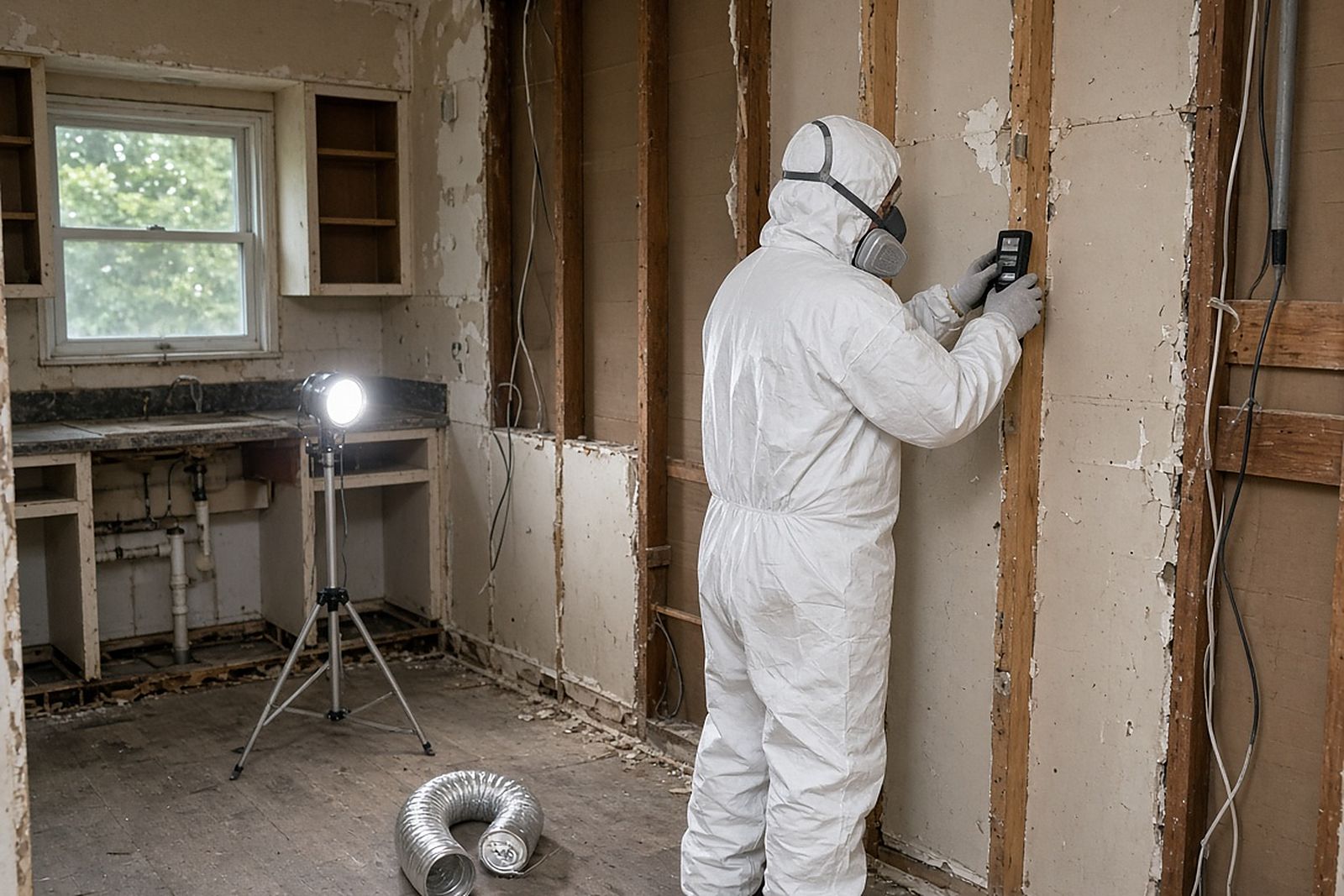
What drives the price, published cost ranges, and how to read a written quote line by line.
Insurance and payment
Which policies may respond, how to document a claim, and what to do if coverage is denied.
Community polls
See how other owners, buyers, and landlords think about disclosure, sampling, and contractor choice, then compare your own view with theirs.
Knowledge quiz
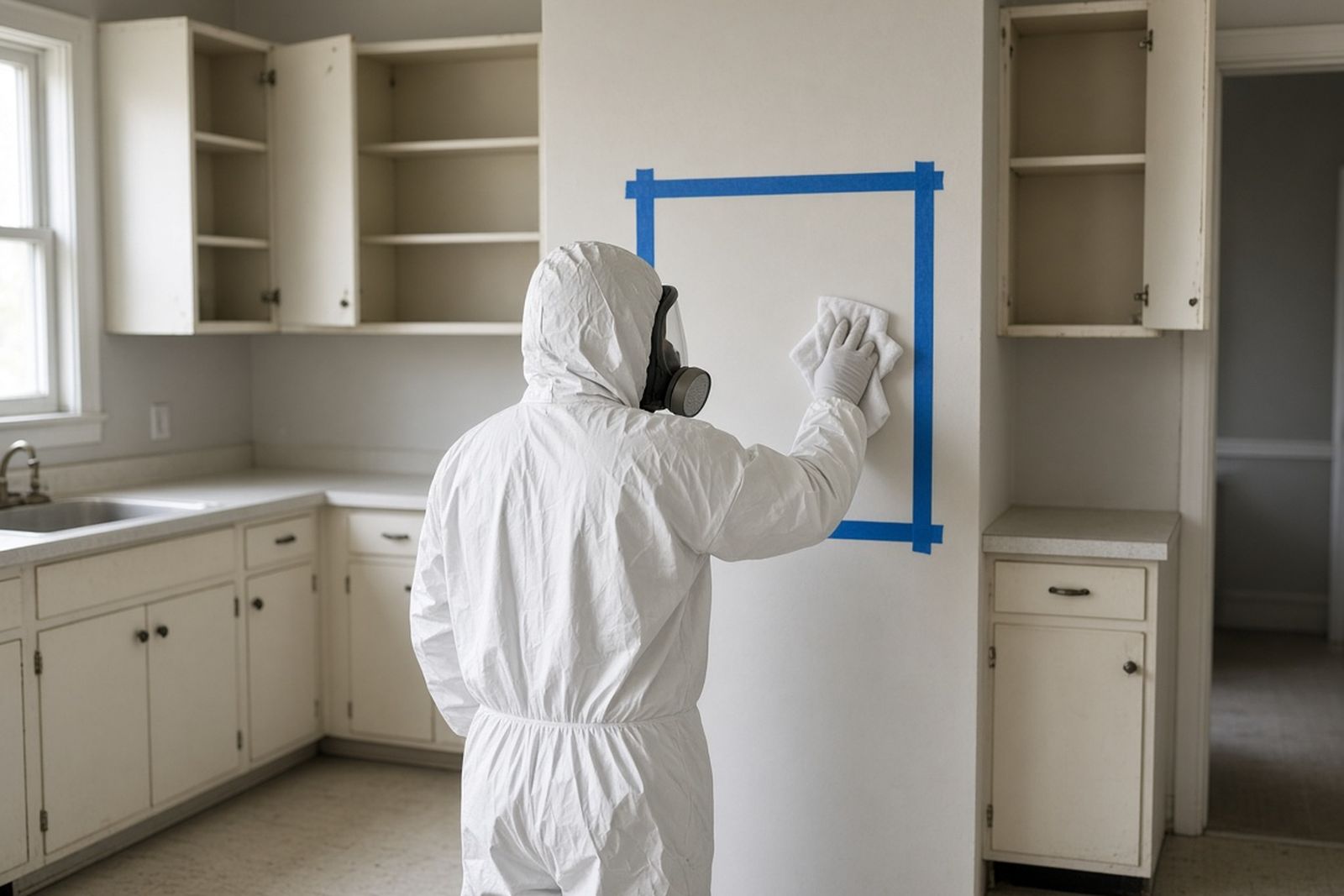
Test what you know before you talk with a provider. Topics include how residue spreads, state programs, sealing off work areas, cleanup steps, waste, and clearance records.
Articles and resources
Read plain explanations of state rule changes, testing questions, disclosure disputes, and lessons from real cleanups across the country.
Field guides
Dig into step-by-step guides on inspections, soft materials, and ducts. They also cover landlord duties and building a strong file for future buyers.
City guides
Find cleanup and testing providers who serve your area. Remember to check every credential directly with the state agency.