Free meth lab cleanup tool
Meth Lab Cleanup First 24 Hours Planner
Tell the planner a few facts about the situation and get an ordered list of who to call, what not to touch, and what to photograph.
The first day after you find a likely lab or heavy-use home sets up everything that follows. Choices made in those hours matter. Should you run the furnace? Should a family member start bagging trash? Should you take photos before police arrive? Each choice affects health, evidence, insurance, and the final clearance. The First 24 Hours Planner asks you to pick the facts of your situation. Have police released the scene? Is anyone living in the property now? Is there a chemical smell? Have you seen needles or other sharps? Are pets present? Is the property a rental? Based on your answers, it builds a list of actions in order. It covers who to call, what not to touch, and what to photograph.
The planner is careful on purpose. If a scene has not been released, the list starts with leaving the building and calling the police. Active chemicals and homemade equipment are dangerous, and evidence may be needed. If people are present, it puts getting people and animals out first. It moves them away from the air coming out of the vents before anything else. For rentals, it adds steps for telling the owner or manager and keeping lease and tenant records. The photo prompts focus on things that will matter later. These are stains, containers, changed vents, thermostat settings, and drain damage. Nothing in the list involves cleaning. That starts only after an inspection, and only under a written plan made by a qualified person.
How to use it
- 1Answer each question honestly. Include whether the scene has been formally released and whether anyone is still inside.
- 2Read the list from the top. Finish the safety and contact steps before moving on to records.
- 3Strictly follow the do-not-touch advice, mainly for containers, equipment, and the heating and cooling system.
- 4Print or save the list. Then use the photo prompts to build the record you will share with the inspector, insurer, and agency.
Prefer to ask a person?
Your request is sent to the follow-up inbox. A coordinator can reply by email. Not for emergencies; call 911 first if anyone is in danger.
Plan the first 24 hours
Meth Lab Cleanup: first 24 hours planner
Answer a few questions and the planner orders the next steps. It does not dispatch help and cannot replace emergency services.
Your ordered plan (6 steps)
- 1
Keep people and pets out of the affected area
Close the door and keep the area sealed until a qualified provider assesses it.
- 2
Photograph from the doorway before anything moves
Take wide shots first, then closer shots of stains, damage and belongings. Do not step into the area to do it. These photos support insurance and estate records.
- 3
Report the loss to your insurer and get a claim number
Ask the adjuster whether they need to inspect before materials are removed, and whether they have a list of approved remediation providers. Coverage depends on the policy and the cause of loss.
- 4
Call a qualified remediation provider for an assessment
Describe what happened, the rooms involved, and any odor, fluids or sharps. Ask which OSHA standards apply to meth lab cleanup and for proof of training and insurance before work starts.
- 5
Start a written log
Record who you spoke to, when, and what they said. Keep receipts for lodging, boarding, locks and any emergency purchases.
- 6
Look after the people involved
If a death or violent event is involved, victim assistance programs, hospice bereavement teams and the 988 Suicide & Crisis Lifeline can help. You do not need to manage this alone.
A worked example
Picture a made-up property manager. She enters an empty unit to get it ready for a new tenant. She finds a sharp, sour smell, dark stains running down a bathroom wall, and several unlabeled bottles under the sink. No one lives there. She is not sure if the last tenant is still around. She opens the planner and picks her answers. The scene is not released, and no one is inside. There is a smell, but no sharps and no pets. It is a rental. The list first tells her to leave the unit without opening windows or touching the bottles. She should call the police non-emergency line to report a possible lab. It reminds her not to run the vent fan or the air conditioner. She should keep other tenants and staff out of the hallway near the door. Next, it prompts her to tell the owner and pull the lease and move-in inspection. She should note the last date anyone from management was inside. Police clear the unit and remove the containers. Then the planner's second phase tells her to photograph the stains, the sink area, the vent covers, and the thermostat from the doorway. After that, she should call the county health department to ask if a formal inspection is required. She prints the list and attaches it to the incident report. That way, the owner can see what was done and when.
Numbers behind 24-hour planner decisions
- 11.7–26.0 µg/100 cm²
A family of five living in a former meth lab in Victoria, Australia had methamphetamine surface levels of 11.7–26.0 µg/100 cm² in the home, versus the 0.5 µg guideline.
Read with care: A single case report cannot establish typical exposure levels.
Source: CDC MMWR (2016)Single-family case study, rural Victoria, Australia, 2015
- 63 people, 25 case studies
A study of 63 people across 25 homes contaminated by prior meth manufacture or use found behavioral, sleep, respiratory, skin and eye effects and headaches, with no difference between manufacture and use cases.
Read with care: Case series without a control group; symptoms were self-reported.
Source: Toxics (Wright et al.) (2020)Australian case series of unknowing residents
- 84% hospital-treated
Of people injured in meth-related chemical incidents, 84% were treated at a hospital, and the share of incidents causing injury rose from under 5% (2001–2007) to 10% (2008–2012).
Read with care: The rise in injury share coincided with the shift to one-pot labs, but causation was not proven.
Source: CDC MMWR (2015)Five-state surveillance, 2001–2012
- 5+ years
Researchers found a home where meth was cooked still had 'extremely high' contamination more than five years after production stopped, even after years of later occupancy.
Read with care: One property; persistence depends on materials and any partial cleaning done.
Source: International Journal of Environmental Research and Public Health (2019)Single Australian dwelling case study
These figures are public research and agency data, not this network's own job records. Keep each number with its population, year and limits; none of them predicts cost, timing or outcome at a specific property.
First 24 Hours Planner questions for meth lab cleanup
What if I already touched or moved something?
Stop and leave the area. Wash your hands and any bare skin with soap and water. Change clothes if you were in the space for a while, and bag the worn clothes separately. Tell the police or the inspector what you handled so they can account for it. Do not try to put things back.
Why does the planner say not to open windows?
Opening windows can create airflow that pushes vapor and dust into other rooms or nearby units. If police have not released the scene, it may also disturb evidence. It is safer to leave the building and let trained responders manage the airflow. After release, an inspector can advise on airing out as part of the plan for the building.
Should tenants in neighboring units be told?
In a building with several units and shared ducts or hallway air, neighbors may be affected. They should be told, without dramatic details. Work with the building owner on what to say. If it applies, include the local health office too. The planner adds a step for telling others when you pick the rental option in your answers.
How should I photograph the scene safely?
Only take photos after the scene is released. Shoot from a doorway without going far inside or moving anything. Take wide shots of each room, then closer views of stains, containers, vents, and plumbing. Include the thermostat and any time stamps. Do not use a flash near chemicals you suspect are there if responders have not cleared the space.
The scene was released. Can I start airing it out and cleaning?
Release means the police are finished. It does not mean the property is safe. Airing it out can spread residue. Cleaning before an inspection removes the clues a tester needs to plan the work. Contact the local health department and a qualified inspector first. The planner's steps after release focus on records and calls, not cleaning.
Who should I call first if I cannot reach the health department?
If there are chemicals, strong smells, or signs that meth is being made, call 911 or local police first. If it is not urgent, leave a message with the health department. Then try your state meth program or environmental agency. In the meantime, secure the property and keep everyone out. Note the time of each call. Then you can show the steps you took if questions come up later.
What should I pack if my family has to leave the home quickly?
Take only the basics that are unlikely to be contaminated. These might be items from a car, a bag, or a room that was not used for lab activity. Ask for advice about anything else. Medicines, ID, and a phone charger usually come first. Bag items separately. Do not bring bedding, clothes, or toys from affected rooms into your temporary home until you know whether they need cleaning.
Related community polls
Every count is a real visitor vote; nothing is seeded or padded. One vote per poll per device, and you can change your answer.
If a house you wanted had a documented lab cleanup that passed clearance, what would you most likely do?
Which factor would you weigh most when choosing a meth cleanup contractor?
Other meth lab cleanup tools
Cost Range Estimator
Set the affected area, surface types, severity and extras to see an educational cost range and the factors that move it.
OpenProvider Vetting Checklist
Fifteen questions to ask any remediation provider, a readiness score, and a copyable list of what is still unanswered.
OpenInsurance Claim Organizer
A guided checklist from finding the policy to tracking the carrier decision, with a printable summary of where the claim stands.
OpenWaste & Disposal Classifier
Five questions about the material point to the likely waste category and which authority to confirm the rules with.
OpenDIY or Call a Pro? Risk Check
Eight yes-or-no questions that produce a risk level and explain when professional help is the safer choice.
OpenMore on meth lab cleanup
Meth Lab Cleanup services
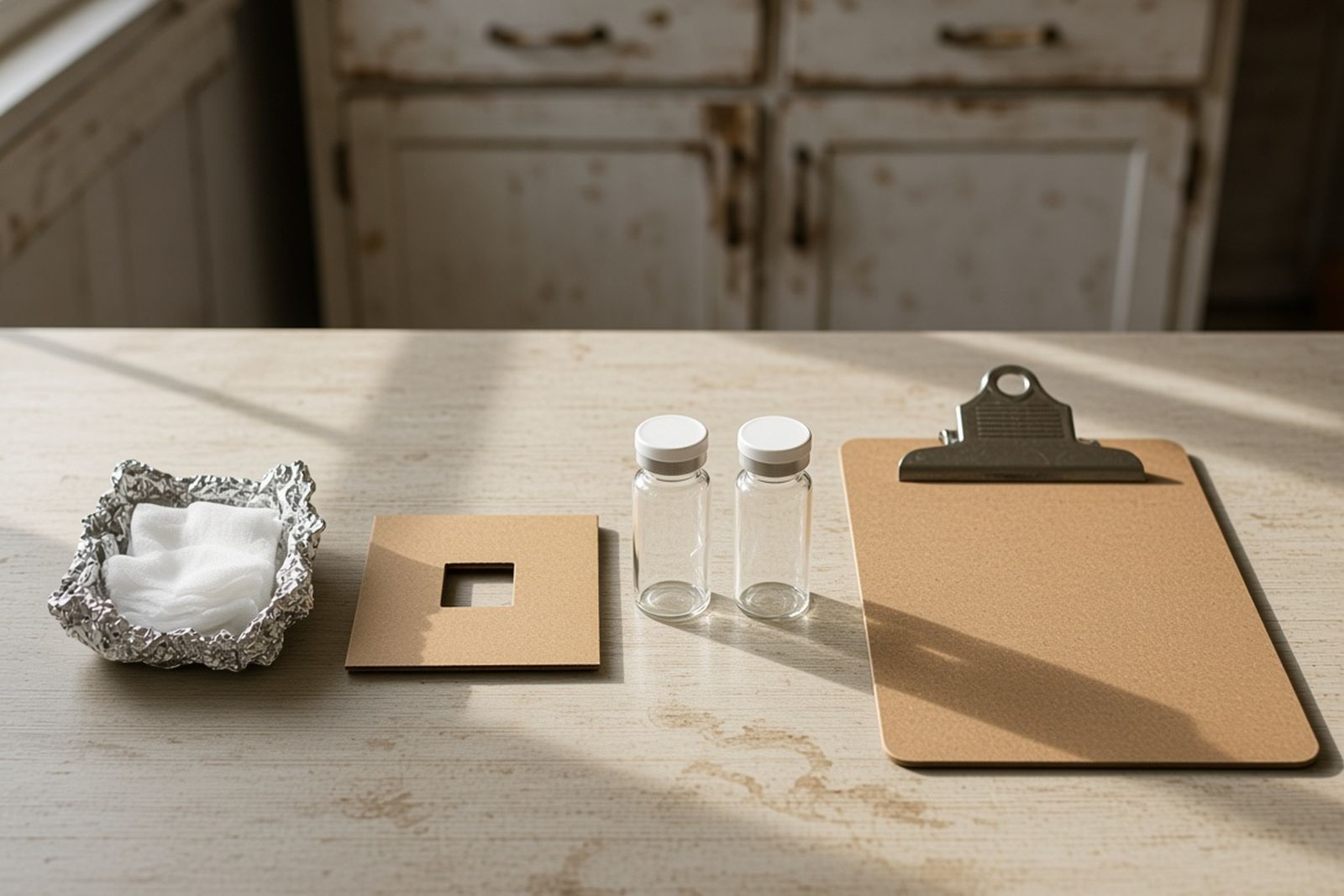
See how the inspection, chemical cleanup, duct work, and clearance testing fit together on a former lab or heavy-use home before you hire.
Costs explained
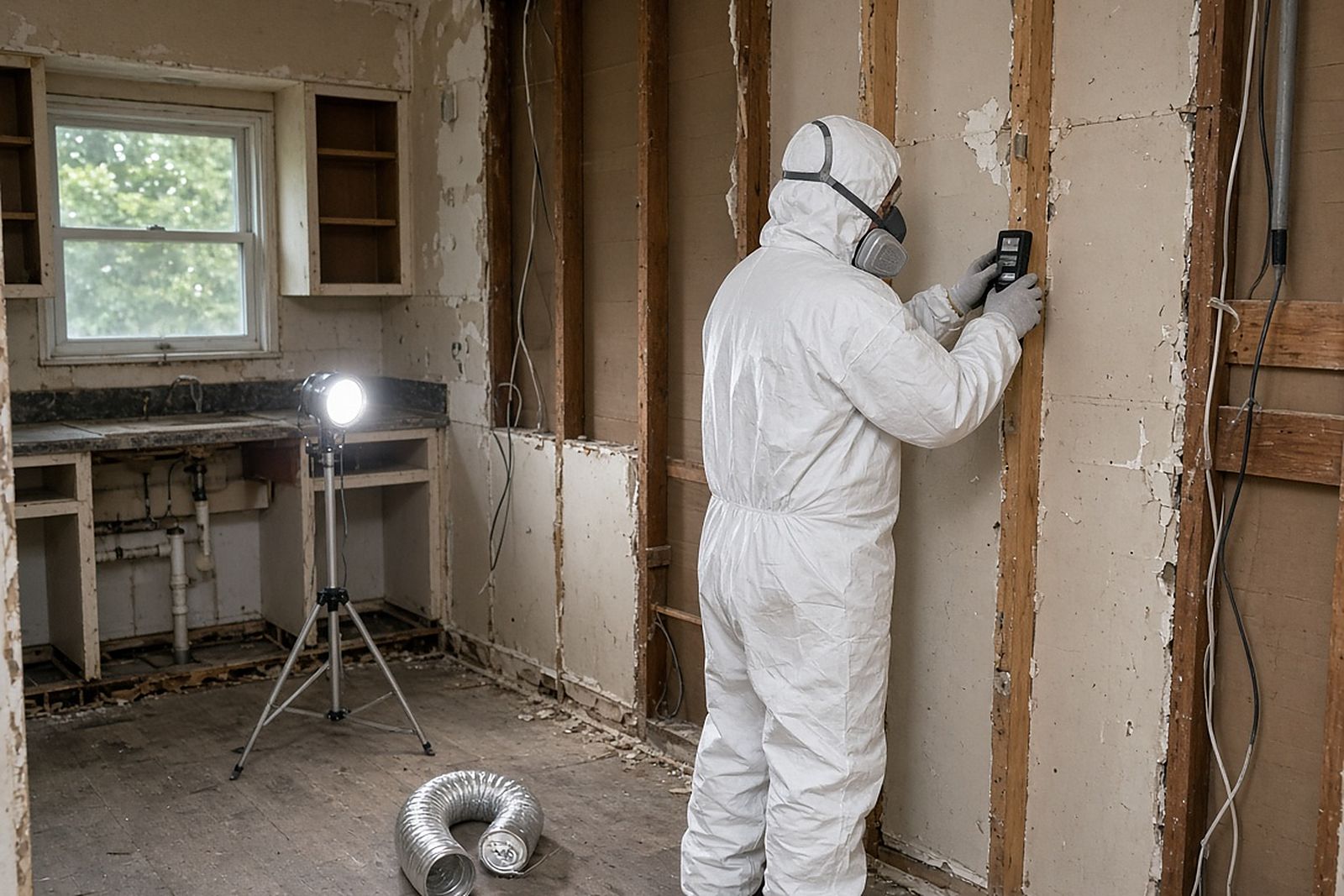
What drives the price, published cost ranges, and how to read a written quote line by line.
Insurance and payment
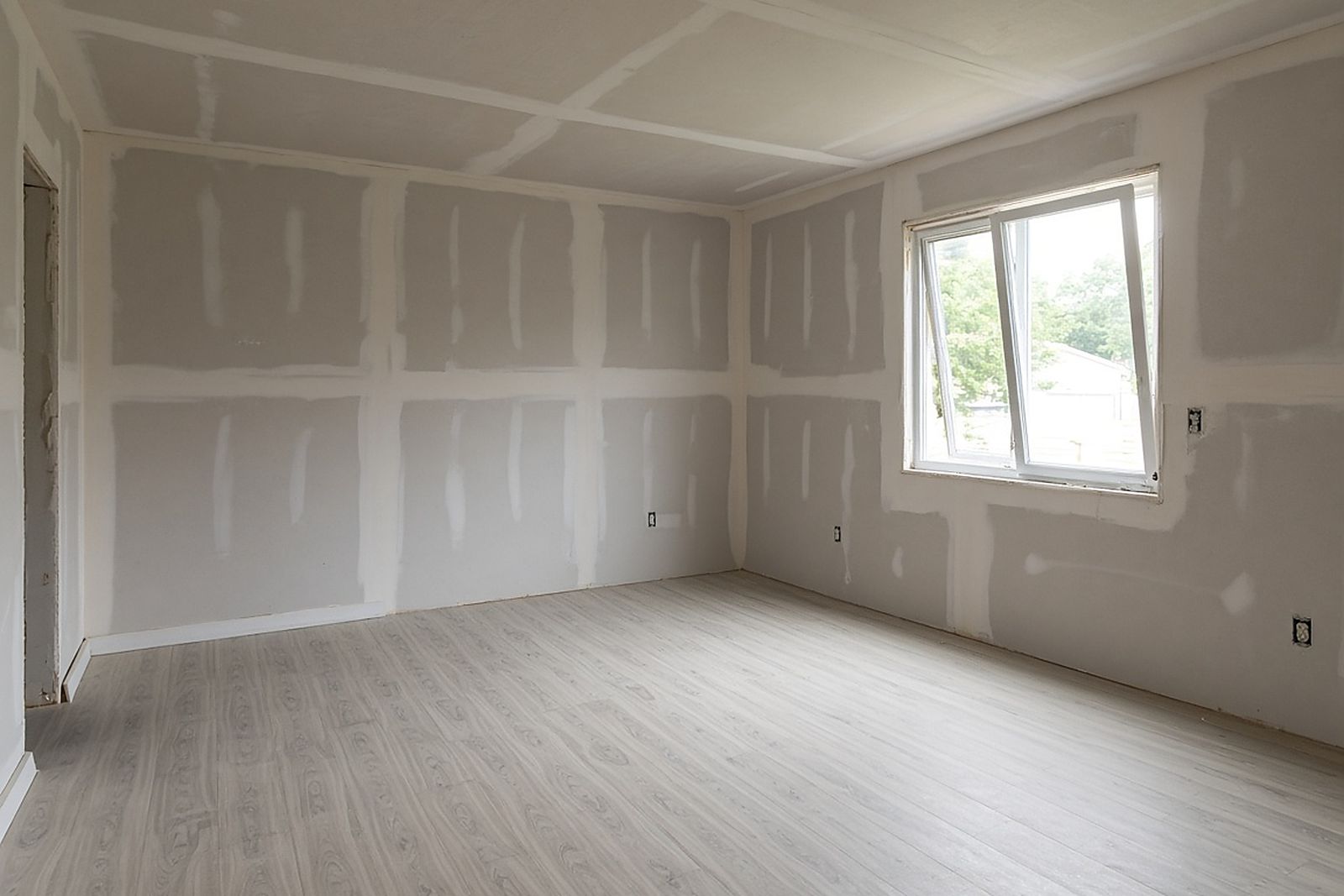
Which policies may respond, how to document a claim, and what to do if coverage is denied.
Community polls
See how other owners, buyers, and landlords think about disclosure, sampling, and contractor choice, then compare your own view with theirs.
Knowledge quiz
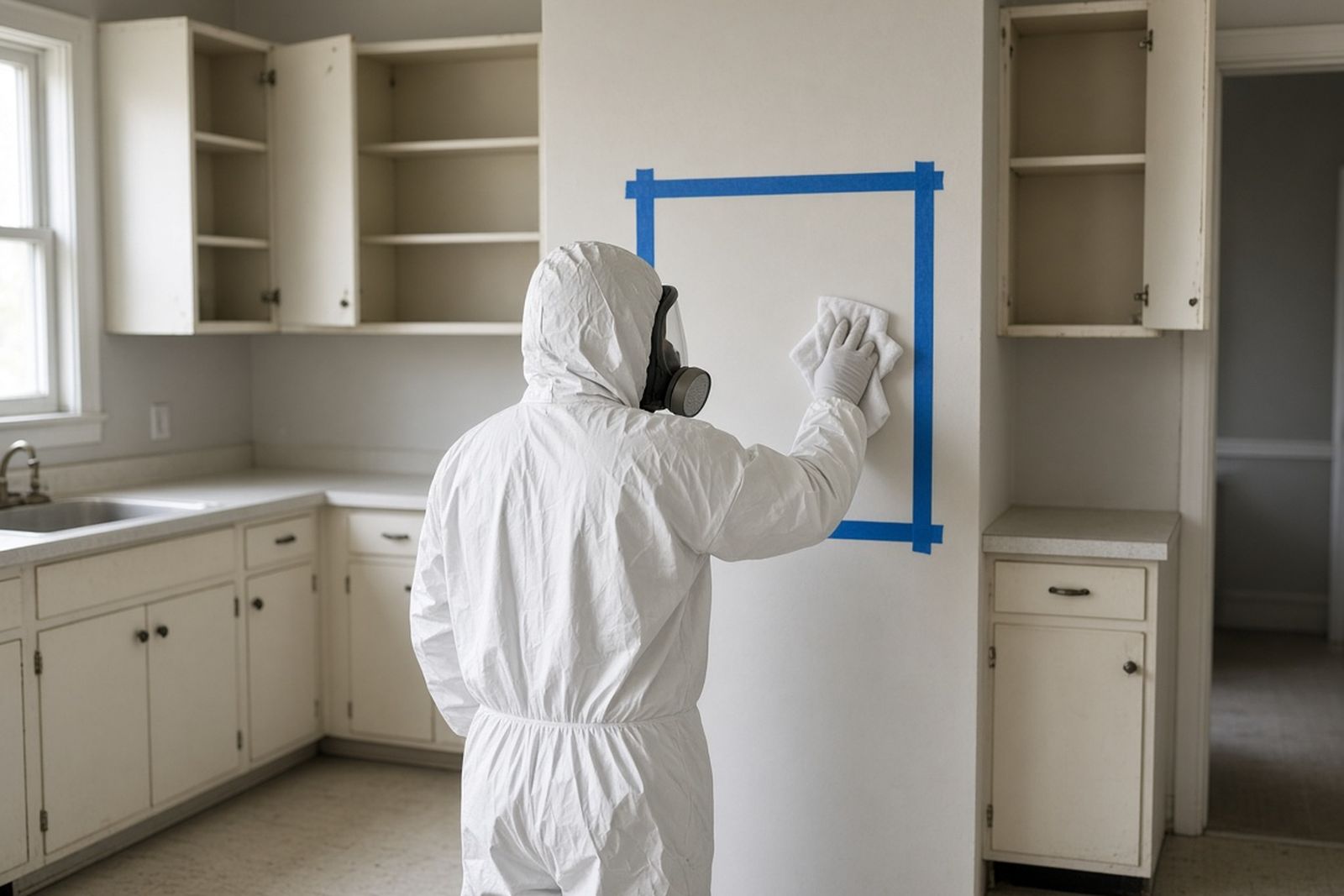
Test what you know before you talk with a provider. Topics include how residue spreads, state programs, sealing off work areas, cleanup steps, waste, and clearance records.
Articles and resources
Read plain explanations of state rule changes, testing questions, disclosure disputes, and lessons from real cleanups across the country.
Field guides
Dig into step-by-step guides on inspections, soft materials, and ducts. They also cover landlord duties and building a strong file for future buyers.
City guides
Find cleanup and testing providers who serve your area. Remember to check every credential directly with the state agency.