Field guide
Meth Lab Cleanup: Multifamily Property Manager Guide
What an apartment manager should do about a meth unit. Get the official release, protect privacy, check units and systems, test, clean, and re-rent safely.
For: This guide is for apartment owners, property managers, housing operators, and maintenance leads. It is also for risk teams, resident services, lenders, and insurers.
Organizational editorial byline · Updated 2026-08-01 · Verify case-specific requirements with the responsible authority.
Ask about your situation
Your request is sent to the follow-up inbox. A coordinator can reply by email. Not for emergencies; call 911 first if anyone is in danger.
Direct answer
What is the practical approach?
If you suspect meth making or unknown lab chemicals, keep staff and residents out. Call the right emergency service or the police. After responders remove the main hazards and officially release the unit, find the current state and local rules. Do this before any testing or cleaning. In an apartment building, keep what you see in the unit apart from what might have spread. Residue could move through shared heating and cooling (HVAC), plumbing, hallways, waste, vehicles, soil, or nearby units. Protect residents' privacy and their legal rights about entry. Name the assessor, sampler, lab, contractor, reviewer, and authority. Leave required test surfaces alone until the cleanup is approved after testing. Before anyone moves back in, you need the final report required by local rules. Any open building, rebuilding, disclosure, or occupancy issues must also be settled. No smell or a contractor invoice is not enough.
Start an emergency and privacy plan without sending staff in
Staff may see what looks like drug-making gear, chemical containers, or reactions. They may see odd dumping or strong chemical conditions, or hear believable reports of active use. If so, keep people away and follow emergency or police instructions. Do not ask maintenance to check the report or photograph containers. Do not open windows, switch utilities, move a vehicle, flush drains, or wipe a surface for testing. For responders, save legal keys, access logs, and work orders. Also save camera records, details on residents and pets, and building plans. The emergency authority controls the scene and immediate dangers.
Name one person for each role. You need an incident coordinator, an authority contact, and a lead for resident updates. You also need a property lead, a maintenance lead, an insurer contact, and a records keeper. Say only what people need to know, such as "restricted unit" or "official response." Do not publicly accuse a resident. Do not share details of the investigation with neighbors or vendors. The authority may need to give residents instructions about leaving, access, inspections, or schedules. Residents do not need evidence photos or anyone's personal details. Sending all updates through one channel cuts down on rumors. It also protects later legal and property decisions.
Record the first removal, the release, who controls the unit, and local rules
Ask the responsible agency what it released. That includes the unit, common areas, contents, vehicles, and outdoor areas, plus any limits still in place. Removing the immediate chemical hazards and equipment does not clean up the leftover residue. Save any records of containers, spills, fire, air flow, dumping, and what responders did. Do not assume these records give a full map of the residue. If unknown materials remain or a new live hazard shows up, stop private work. Hand control back to the authority.
Find the current state and local process. It may cover notice, warning signs, access, and who may clean or assess. It may also cover testing, cleanup levels, public lists, disclosure, the final report, and moving back in. Your lease and your right to enter the unit do not replace those rules. Get qualified legal advice on notice, tenancy, evidence, belongings, disclosure, and fair housing. Do not ask the cleanup contractor to interpret every duty. Write down who can approve building work, decisions about contents, and entry to nearby units. Also record who approves invoices, changes, and final acceptance.
Map shared pathways without calling the whole building contaminated
The first check should map the source unit and its walls, floors, ceilings, and openings. It should cover the units below and next door, hallways, elevators, and stairs. It should cover HVAC zones, plumbing shafts, drains, and the sewer or septic system. It should also cover laundry, trash, storage, parking, vehicles, soil, and drainage. Keep three things apart: residue or spills you can see, ways residue might have spread, and simple stigma. A smell, shared ductwork, or a public list entry does not by itself show the residue level in every unit. Use building drawings and qualified system experts where needed.
Entering and testing nearby units should answer a written question. It must follow the rules on access, notice, consent, and privacy. Spell out what was seen or how residue could have spread there. Set the sample spots, surface sizes, methods, quality checks, and chain of custody. Also set the lab testing, the cleanup level, and what each result will lead to. Avoid testing every resident's unit or tearing out work across the property without a sound plan. Think about children and other residents when you pick the timing and any temporary protections. But do not make medical claims based on environmental tests.
Control shared routes, staff, contractors, and building systems
Plan off-limits zones, a clean staging area, and use of elevators or stairs. Plan floor and wall protection, how waste moves, parking, and loading. Plan for emergency exits, fire systems, security, keys, and the end-of-day closeout. Regular maintenance, cleaning, pest control, or turnover staff should not clean or move suspect materials. They first need an employer hazard review and the right safety program. Cleanup contractors should explain the site's chemical and breathing risks. They should explain decontamination, emergency plans, and when work stops. Whether OSHA's hazardous waste rule (HAZWOPER) applies needs a real review, not a slogan.
HVAC and plumbing need clear decisions. Record the system zones and whether they ran during the suspected activity. Record the return and supply vents, filters, air handlers, ducts, and condensate lines. Record fixtures, drain traps, drains, the sewer or septic system, and cleanup wash water. Do not run fans, replace filters, or flush drains on your own. Send engineering, HVAC, plumbing, environmental, or authority questions to qualified people. Leave required test surfaces and system settings as they are until the approved plan allows changes.
Keep contents, waste, unit work, and outdoor areas separate
Set up a plan for contents. It covers resident belongings, landlord property, appliances, and children's items. It also covers fabrics, upholstered furniture, mattresses, paper, electronics, and items that may be evidence. For each, set the inventory, who has authority, and whether it will be tested or treated. Also set custody, storage, return, and disposal. Owning an item does not make it safe for a resident to take back. The property manager should not throw out belongings just to speed up turnover. Get legal and authority advice for disputed or abandoned property.
Identify the type of each waste before it moves through the building. Chemical leftovers, filters, HEPA (fine-particle) vacuum debris, wash water, demolition debris, soil, and ordinary contents may follow different rules. The EPA says meth lab chemicals are not ordinary household hazardous waste just because they came from a home. Plan the containers, the route inside the building, the hauler, the receiving site, records, and a backup if a load is rejected. Outdoor dumping, vehicles, soil, water, wells, or drainage may need an environmental authority, not just the unit contractor.
Handle residents, insurance, scope, and rebuilding as separate decisions
Updates to residents should cover access, inspections, moves, schedules, or safety steps. These should be approved by the responsible authority or the property's advisers. Do not promise health outcomes or repeat accusations. Each party has its own job. The insurer weighs coverage. The owner controls the contract with the cleanup company. Local rules control whether the cleanup passes. Legal advisers handle lease and disclosure duties. Keep all of this on one timeline. But do not let a claim payment or a re-rent date change the cleanup level.
The cleanup scope should list the rules, the first check, testing, and materials. It should cover HVAC, plumbing, contents, waste, outdoor areas, and worker safety. It should also cover testing after cleanup and the final report. Before rebuilding, set a checkpoint so required surfaces stay available for testing. After approval, write a new building scope. It should cover wall and floor systems, permits, inspections, fire safety, and disability access. It should also cover utilities, finishes, and warranties. Protect approved areas from dust, chemicals, wet work, and uncontrolled foot traffic.
Build a lasting unit file and a written move-in handoff
The unit file should hold the authority's release, the rules in charge, notices, and access logs. It should include the first check, all samples and quality checks, and the approved cleanup plan. It should include work and material records and HVAC and plumbing decisions. It should show custody of contents and how waste was handled. It should list after-cleanup results, fixes, the final report, and the authority's approval. It should also hold building records and any limits that remain. Leave original reports whole, and label each corrected version. Give residents, future tenants, lenders, insurers, and contractors only the records they are entitled to under the rules.
Moving back in requires the decision named by local rules. Building systems, rebuilding, fire and life safety, and utilities must also be settled or assigned to someone. So must outdoor areas, disclosure, and occupancy conditions. A contractor certificate, new paint, no smell, or one field test is not the full record. Name who signs, the date, any off-limits areas, and any monitoring or upkeep. Name who will keep the records in the future. This kind of clear record builds real trust and stands up to review. General reassurance does not.
Decision table
In apartment buildings, keep property, legal, and resident decisions separate.
| Decision | Evidence | Who is responsible |
|---|---|---|
| Emergency and access | Responder instructions, released area, and access log | Public authority and incident coordinator |
| Checking the unit and nearby units | Map of how residue could spread, testing plan, and lab data | Qualified assessor or sampler under current rules |
| Shared systems | HVAC, plumbing, fire, electrical, and outdoor findings | Building experts and cleanup oversight |
| Contents and waste | Who controls each item, inventory, waste type, custody, and destination | Owner or resident plus qualified handlers |
| Cleanup approval | After-cleanup data, fixes, and final report | Required reviewer or authority |
| Moving back in and disclosure | Approval, systems, rebuilding, and legal duties | Approved operator with qualified advice |
Action checklist
- 1Keep staff and residents away from possible live hazards.
- 2Assign roles for the authority, residents, technical work, insurance, and records.
- 3Save records of the first removal, the release, access, and systems.
- 4Find the current state and local notice and approval rules.
- 5Keep what you see in the unit apart from possible shared pathways.
- 6Test nearby units only to answer a set question, with legal access.
- 7Control shared routes, staff, vendors, keys, and exits.
- 8Map HVAC, plumbing, contents, waste, vehicles, soil, and water.
- 9Keep resident, insurance, legal, and technical decisions separate.
- 10Protect test surfaces until the cleanup is approved.
- 11Rebuild only after the cleanup checkpoint.
- 12Keep a unit file and move-in record with privacy controls.
Questions and answers
Should the entire apartment building be sampled?
Not by default. Start with the official history and a check of the source unit. Look at how residue could move through the building. Follow current state and local rules and a written testing plan with quality goals. Test nearby or common areas when a rule or a sound reason calls for it. Use legal access, set surfaces and methods, quality checks, chain of custody, and pass-or-fail rules. A smell or shared walls alone do not map residue across every unit.
Can maintenance change the HVAC filters?
Not until the authority and the approved assessment allow it. Running the system or handling filters can expose workers, stir up residue, change evidence, and affect other zones. Record how the HVAC ran, its layout, filters, return and supply vents, air handler, condensate line, and who is responsible. A qualified plan should decide on testing, cleaning, removal, disposal, protective gear, and restart. Changing a filter alone does not clear the system.
What should management tell other residents?
Share what people need to know through one approved communication lead. That can include emergency instructions, access, inspections, moves, schedules, and legal duties. Avoid accusations, health conclusions, evidence photos, and personal details no one needs. Use advice from public authorities and qualified legal or housing experts. Keep a record of messages. Offer one contact person so staff do not give mixed answers.
Who controls a resident’s belongings?
Ownership, the lease, the authorities, evidence status, and the law decide who controls them. The cleanup provider should not decide whether items are abandoned or thrown out. Set up an inventory and chain of custody. Plan approved pickup, testing or treatment, storage, return, and disposal. Children's items, fabrics, paper, electronics, chemicals, and items linked to evidence may need different handling. Get qualified legal or authority direction when rights conflict.
When can the unit be rented again?
When the local cleanup, testing, final report, and approval process is complete. The operator must also settle or assign any open items. These include rebuilding, utilities, fire and building systems, and outdoor areas. They also include disclosure, lease, and occupancy requirements. An invoice, fresh paint, no smell, or one negative field test is not enough. Record the move-in decision, who signed, the date, any limits, and who keeps the records.
Can vacant neighboring units be leased during the assessment?
Hold off until the assessor decides whether those units lie on a credible pathway. If the pathway model includes a neighboring unit because of shared air, plumbing, or walls, leasing it before a decision could put a new resident in an unresolved space. If the assessor documents that a unit is outside the pathway, you can make a leasing decision with legal and management review. Keep the reasoning in the building file.
Should maintenance keep a record of earlier work in the unit?
Yes. Gather past work orders, repairs, filter changes, and entries into the unit, especially work that happened before anyone suspected meth. Those records help the assessor see which tools, equipment, and staff may have carried residue elsewhere. Share them with the assessor instead of explaining from memory. Staff who worked in the unit should report any concerns to the employer's safety contact.
Primary sources and scope
These sources support specific safety or process statements. They do not certify a provider, establish a universal property-clearance standard, or replace local requirements.
Use this guide with the planning tools
Open the insurance claim organizer to keep the paperwork orderly from the first call to the carrier decision. When you are ready to compare providers, the vetting checklist turns the questions in this guide into a list you can send.
Related articles
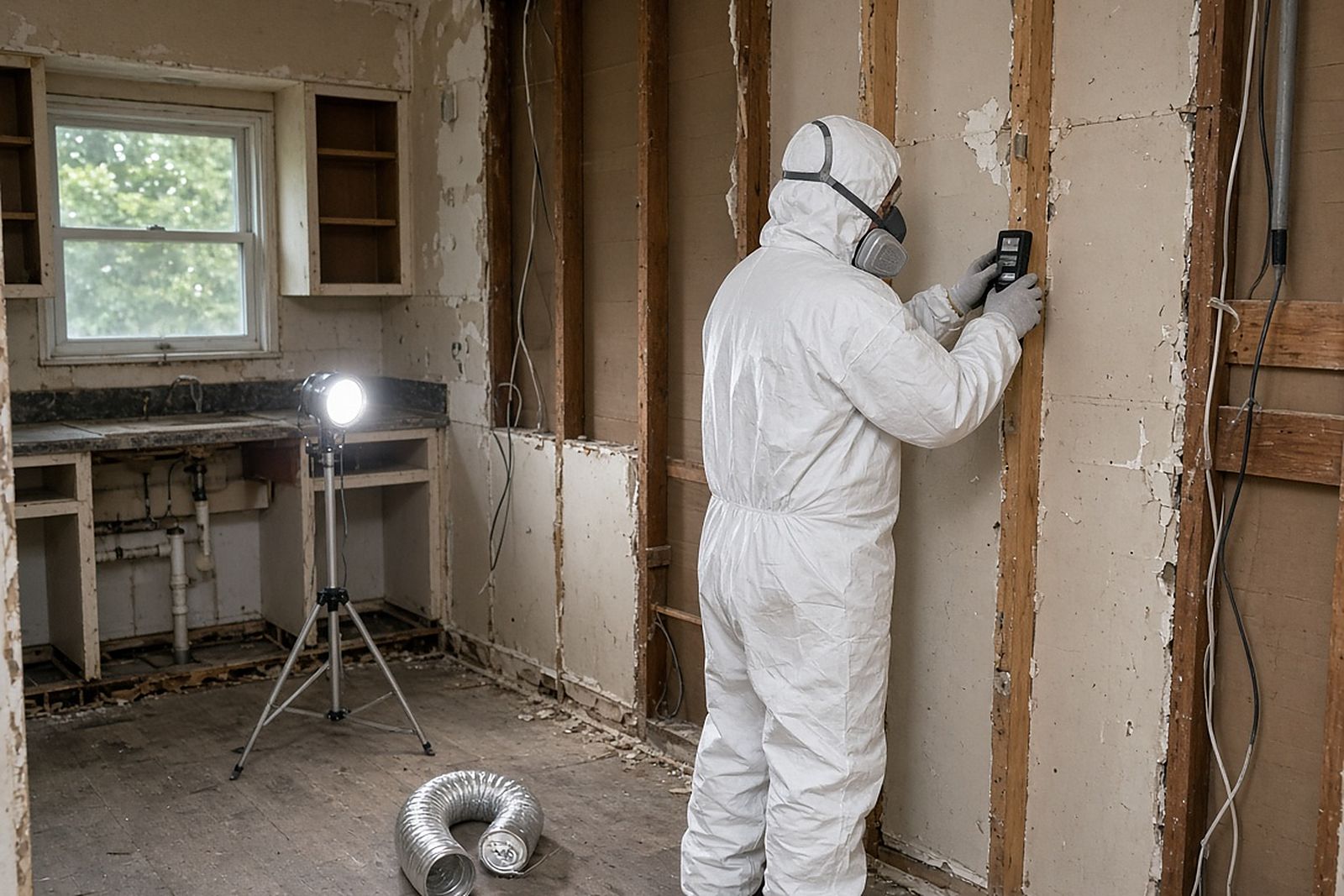 How to Evaluate Equipment Proposed for Meth Lab CleanupWhen a contractor proposes equipment for meth lab cleanup, check that it supports the three things that matter: measuring residue with proper wipe sampling and chain of custody, removing it with HEPA vacuums, detergent washing and containment, and protecting workers with respirators and chemical-resistant suits. Encapsulants and odor tools should come after cleaning, never instead of it, and every item should fit your state's program.
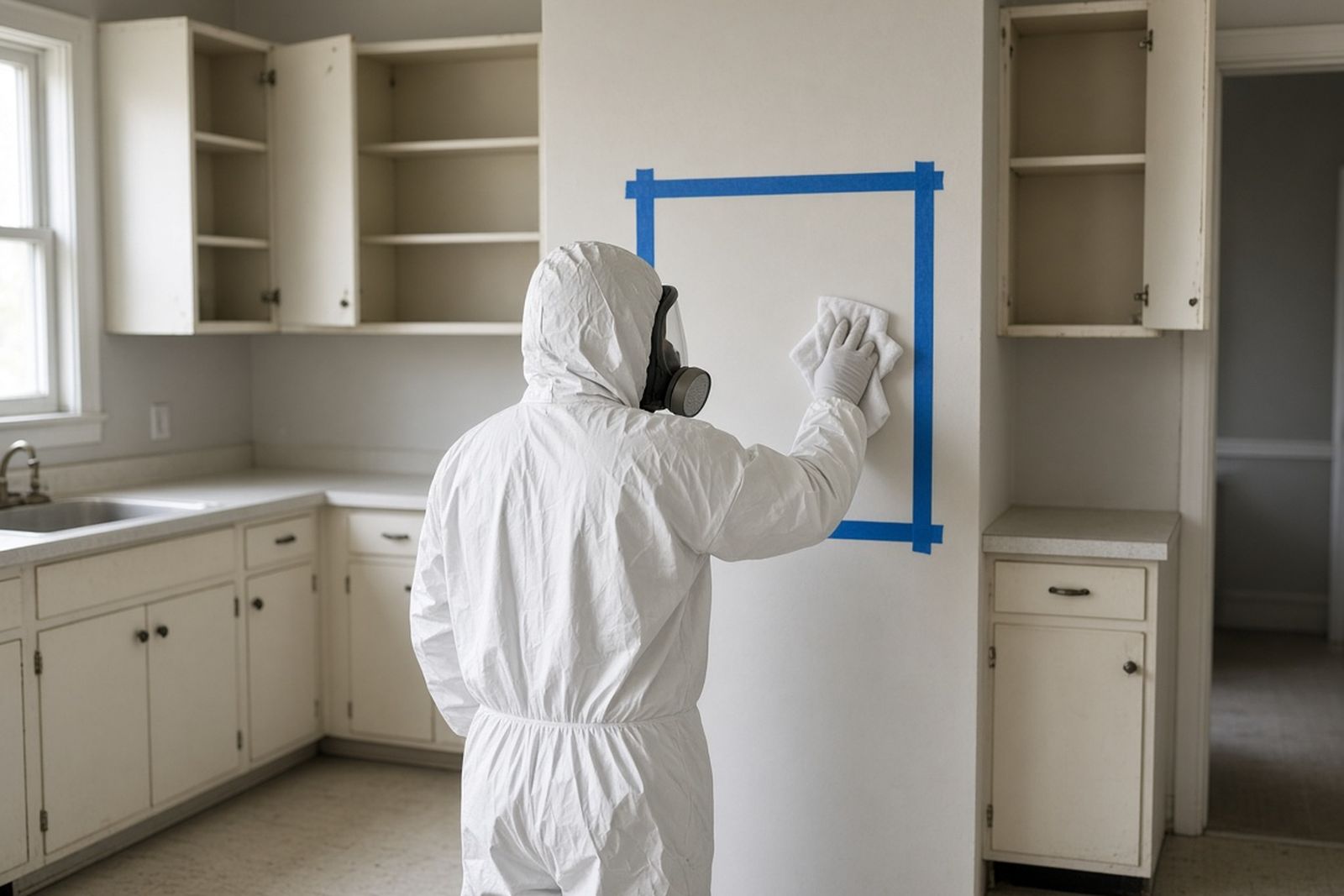 10 Meth Lab Cleanup Safety Risks to Assess Before Work BeginsBefore meth lab cleanup starts, assess ten risks: leftover chemicals and equipment, fire and explosion damage, invisible drug residue, corrosive or reactive stains, contaminated plumbing and septic systems, HVAC spread, sharps and drug paraphernalia, exposure to vulnerable people, structural and utility hazards, and legal restrictions on the property. Each one decides who enters first, what protection they need and what order the work follows.OSHA Regulations and Meth Lab CleanupOSHA protects the workers who remediate a former meth lab, not the property. Crews are commonly trained under the hazardous waste operations standard, known as HAZWOPER, and work under OSHA rules for respirators, personal protective equipment and hazard communication. State meth cleanup programs often set their own contractor and clearance requirements on top of OSHA, so owners should check both layers.
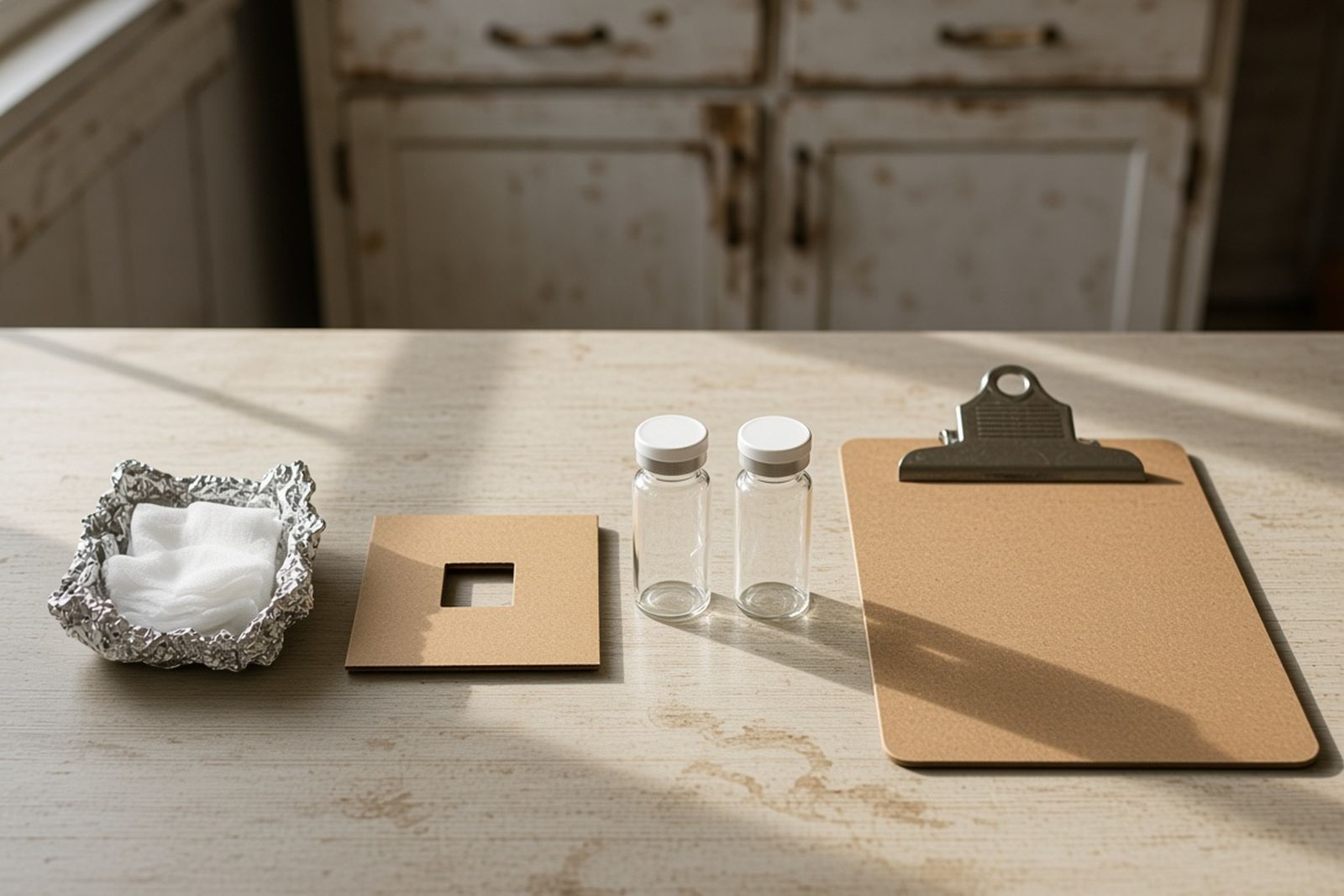 Red Flags When Hiring Meth Lab Cleanup ServicesRed flags when hiring a meth lab cleanup contractor include offering to skip preliminary or clearance sampling, proposing to paint or seal walls without cleaning, insisting on grading their own work where independence is required, being unable to name your state's standard, guaranteeing a passing result before testing, ignoring ductwork and plumbing, and refusing to explain in writing what happens if clearance fails.When ATP Testing Helps—and When It Does Not—in Meth Lab CleanupATP testing cannot tell you whether a former meth lab is clean, because it measures biological residue, not methamphetamine or lab chemicals. Clearance for meth contamination depends on surface wipe samples analyzed by an accredited laboratory and compared with the applicable state or local limit. ATP swabs may still help on separate biological problems, such as bodily fluids or animal waste found at the same property.How to Evaluate Technology Used in Meth Lab CleanupEvaluate meth cleanup technology by asking whether it helps measure residue, remove it or contain it, and whether the result can be verified with laboratory wipe samples against the applicable limit. Accredited lab analysis, HEPA filtration, negative air and proper duct cleaning tools have clear roles. Be skeptical of sprays, foggers or machines claiming to neutralize residue without physical cleaning or clearance testing.