Field guide
Meth Lab Cleanup: Hotel and Guest-Room Guide
What a hotel should do about a meth room. Get help, protect guest privacy, check the room and systems, test, clean up, handle waste, and reopen the room.
Who this is for: Hotel owners, managers, security, maintenance and housekeeping staff, plus the risk teams, insurers, franchise operators, lenders and public agencies they work with.
Updated 2026-08-01. Rules differ by state and city, so check the details with your local authority.
Ask about your situation
Your request is sent to the follow-up inbox. A coordinator can reply by email. Not for emergencies; call 911 first if anyone is in danger.
In short
The short answer
If a hotel room may have been used to make, convert or store meth, or may hold unknown lab items, call emergency services or the police. Do not send your staff in to look or clean. After responders remove the main chemicals and officially release the room, find the current state and local rules before any testing or cleanup. Then map the room and the paths out of it, such as shared systems, carts and laundry, without assuming the whole hotel is affected. Put the room back in use only after the required final report and approval, with building systems, rebuilding and the management handoff done.
Respond to possible live hazards without sending hotel staff in
If a room shows signs of an illegal and dangerous setup, your staff should stay out and you should call for help. The signs include chemical containers, reaction jars, tubing, gas cylinders or pill equipment. Other signs include odd dumping, strong chemical conditions, fire damage or believable reports. Keep staff and guests away, and call the right emergency service or the police. Do not ask your security or maintenance team to confirm the setup or photograph containers. Nobody should open windows, flip switches, move a vehicle, flush drains, bag powders or take samples. Those steps can expose people, change fire risks, spread material and disturb evidence.
What you can do is give responders the facts you saw and legal key access. Share the registration details and who was with the guest, and mention children, pets and any mobility needs. Share building plans, HVAC zones and utility controls. Tell them who is staying next door, and about vehicles and outdoor areas. Save key card events, camera records, work orders, complaints and incident logs, with access limited. Do not publicly accuse a guest or share photos of the room, because a rumor or a smell does not prove there was a lab. Send all of your communication through one person who works with the authorities.
Record the first removal, official release, and legal status
When responders leave, your room is not yet ready for housekeeping or for rent. Emergency and police teams can secure the scene and remove immediate chemical dangers, equipment and lab gear. The EPA treats that first removal as different from the later cleanup of leftover residue in buildings, soil and water. Write down the agency and which rooms and routes were released. Note the kinds of items removed, any known spills or fires, off-limits items and what is still unknown. If you find new containers, reactions or unknown powders, the authorities must take control again.
Next, find the current state and local process, because it decides how your room gets cleared. It may cover notice, warning signs, access, and who may assess or clean. It may also cover testing, cleanup levels, waste, the final report, public lists, disclosure and reuse. The EPA's August 2021 document is voluntary and does not override those rules. Your hotel ownership, franchise steps, the insurer or the guest checking out cannot replace the authority's process. Name who signs for the property. Name the official or qualified reviewer who can accept the final cleanup record as well.
Check the guest room and shared spaces by asking clear questions
A good first check answers clear questions about your room and the spaces connected to it. It covers what activity is suspected and the room's surfaces. That means the ceiling, walls, floors, bathroom, drains, appliances and the room's HVAC unit. It covers the connecting door, balcony, contents, carts and the linen route. It also covers elevators, stairs, the service hallway, laundry, trash, loading areas, vehicles, soil, drainage and spaces that cannot be reached. You can help by finding out whether the HVAC or doors were used and whether staff moved items. The EPA notes that labs can turn up in hotels, and that methods and hazards differ. Nobody should guess the method from one object.
Nearby rooms and common areas are tested or inspected when current rules call for it. They are also checked when there is a sound reason residue could have spread there. Ask for a testing plan with clear quality goals that sets the sample spots and surface sizes. Where allowed, it says whether samples are taken one by one or combined. It also covers quality checks, chain of custody, lab testing, the cleanup level and what each result will trigger. You should know by name the assessor, sampler, lab, contractor, reviewer and authority. A smell, being nearby, shared walls or one wipe does not map your hotel. Protect people's privacy and legal access, and avoid both false comfort and needless closures.
Control staff, vendors, HVAC, plumbing, and daily operations
Your housekeeping, maintenance, security, laundry and trash staff should not handle possible residue or room contents using normal steps. The employer, which may be you, must review the hazards. These include chemicals, dust, burns, fire, sharps, electrical risks and unknowns. The employer must also check which OSHA rules apply. Whether OSHA's hazardous waste rule (HAZWOPER) applies takes a review of the specific work. Using respirators and training workers on chemical hazards are separate duties. A contractor's course card or protective suit does not clear your property. It also does not protect hotel workers who are outside the controlled work area.
Keep a status log for each building system, so you know what ran and what was changed. Include HVAC zones, return and supply vents, filters, the air handler and condensate lines. Include plumbing fixtures, drain traps, the sewer or septic system, and fire systems. Include power, gas, water and security. Do not air out the room, change filters or flush drains on your own. Assign qualified system workers and plan around the test surfaces. You also control the clean staging area, elevators or stairs, loading and containers. The same goes for emergency exits, keys, subcontractors and daily room security. Do all of this without telling unrelated staff or guests about the incident.
Make separate decisions for materials, contents, laundry, and waste
Each material in your room needs its own decision. The cleanup plan should apply the rules in charge and the EPA's cleanup steps to each one. That includes walls, ceilings, floors, concrete, wood, counters, appliances and windows. It includes light fixtures, carpet, fabrics, upholstery, mattresses, paper, toys and items that can be moved. For each, the plan states whether it will be cleaned, removed, sealed where allowed, tested, kept or sent to a specialist. Surfaces needed for testing after cleanup are left in place. A general room wash, ozone, air freshener or new paint is not a material plan that meets local rules.
Different items need different handling and different people in charge. These include guest property, hotel property, linens, carts and reusable tools. They also include chemical waste, filters, HEPA (fine-particle) vacuum debris, wash water, demolition debris and ordinary contents. The EPA says chemical waste from an illegal lab is not ordinary household hazardous waste just because it was found in lodging. Ask for an inventory and chain of custody. The plan should cover the packaging, the route inside your hotel, the hauler, the receiving site, records and what to do if a load is rejected. Do not send items to your regular laundry or dumpsters before the type of waste is identified.
Keep cleanup approval separate from repairs, claims, and brand turnover
Cleanup approval is its own step, and you need it before repairs begin. Testing after cleanup should follow local rules and the approved plan. It should use qualified people, set methods, quality checks and chain of custody. It should include lab data, a comparison with the cleanup level and a plan for failures. Set a checkpoint before flooring, coatings, furniture or repairs cover any surfaces. The final report you receive should tie together the first removal, the check, all testing and the cleanup work. It should cover systems, contents, waste, changes from the plan, fixes and limits. A contractor invoice or no smell is not clearance.
Once you have the required approval in hand, rebuilding can cover finishes, utilities, fire safety and disability access. It can also cover permits, inspections, brand standards, amenities and warranties. Insurance or franchise approval does not control the technical standard or official limits. Track your room revenue, guest moves, reputation and claims separately. Protect approved areas from building dust, chemicals, wet materials, foot traffic and HVAC changes. If new conditions come up, pause that phase and write them down.
Return the room to use with a final file that protects privacy
Your final file should let you prove what was done without exposing anyone's private details. Keep the authority's release and the key and access logs. Keep the legal basis, the first check, and all test data and quality checks. Keep the approved plan and records of work and materials. Keep the HVAC and plumbing records, contents and laundry records, and waste records. Keep after-cleanup results, fixes, the final report and the authority's approval. Keep rebuilding records and any limits that remain. Leave original technical reports whole, and label each corrected version. Give guests, employees, insurers, franchise staff, lenders and contractors only the details their role and the law require.
Before you rent the room again, confirm official approval. Check locks, fire and life safety, HVAC and plumbing. Check furniture, amenities, housekeeping and room inventory systems. Confirm any legal or disclosure duties and the status of nearby rooms. Record the manager who approved it, the date, any limits and who keeps the records. Do not promise the room is chemical-free, and do not hide history you are required to share. A sound turnover rests on the required process and a clear record of each handoff. A cosmetic refresh is not enough.
What to do in each case
Hotel meth recovery keeps public authority, cleanup clearance, and room operations separate.
| Decision | Evidence | Who decides |
|---|---|---|
| Possible live hazards | Responder instructions, secured boundary, and key and access records | Emergency services or police |
| Checking leftover residue | Current rules, map of how residue could spread, testing plan, and lab data | Qualified people under local rules |
| Shared hotel systems | Findings on HVAC, plumbing, carts, laundry, trash, and vehicles | Cleanup oversight and building experts |
| Materials and waste | Cleanup plan, inventory, waste type, custody, and destination | Qualified contractor and approved owner |
| Cleanup approval | After-cleanup results, fixes, and final report | Required reviewer or authority |
| Room turnover | Repairs, systems, fire safety, housekeeping, and manager sign-off | Approved hotel manager |
Checklist
- 1Keep staff and guests away from possible live chemical hazards.
- 2Save keys, camera footage, records, plans, and the facts you saw.
- 3Record what was removed, the released areas, and any limits.
- 4Find the current state and local cleanup rules.
- 5Map the room, nearby paths, systems, carts, laundry, and outdoor areas.
- 6Test to answer set questions, with quality checks and chain of custody.
- 7Keep hotel staff away from tasks with unknown exposure.
- 8Control HVAC, plumbing, keys, exits, vendors, and staging.
- 9Keep materials, guest property, linens, and waste apart.
- 10Protect test surfaces until final approval.
- 11Finish repairs and brand steps after the cleanup handoff.
- 12Record management approval and required property records.
Common questions
Should hotel staff open a suspected meth room to investigate?
No. Keep people away and follow emergency or police instructions. Opening the room, using switches, airing it out, touching things or taking samples can expose your staff. It can also change the hazards, spread material and disturb evidence. Give legal access and the facts from a safe place. A private check of leftover residue starts only after the main hazards are handled and the required area is officially released.
Does one contaminated guest room mean the whole hotel is contaminated?
No one can assume that. The check starts with the source room and what is known about the activity. Under current rules, it also looks at doors, HVAC, plumbing, carts, linens, foot traffic, trash, vehicles and other real ways residue could spread. Nearby or common areas are tested when local rules or a set question call for it. A smell, being nearby or shared walls do not on their own show residue levels in every room of your hotel.
Can linens be sent to the normal hotel laundry?
Not before the type of waste is identified and a decision is approved. That decision weighs meth residue, unknown chemicals and the fabrics. It also weighs carts, staff exposure, equipment, wash water, and state and local rules. Some items may need to be thrown out or handled by a specialist. Keep them out of your normal flow and track who has them. If your staff moved them before limits were set, write down the cart and laundry route.
Can the hotel repaint and replace carpet before clearance samples?
Not when paint, flooring or other work would cover or change required test surfaces or how results are read. Follow the approved order of steps and the written checkpoint. EPA guidance and local plans can include washing, removal and testing after cleanup. Some also allow sealing surfaces under set conditions. A cosmetic rebuild does not replace the approval process your room requires.
When can the room return to inventory?
The room can return when the cleanup under local rules, testing after cleanup, the final report and approval are all done. Your management must also resolve rebuilding, utilities, fire and life safety, HVAC and plumbing. The same goes for furniture, housekeeping, disclosure and any limits on nearby rooms. Record who signed and the date. An invoice, new paint or no smell is not the full turnover decision.
Should guests who stayed in the room afterward be notified?
That decision belongs to management, legal counsel, and any relevant health authority, not the cleanup contractor. Start by pulling reservation records to find out who occupied the room between the suspected activity and the closure. Share that information only through appropriate channels. Keep careful records of the room's occupancy history, because it may affect the assessment, the pathway map, and later decisions.
Can the hotel keep the room's furniture?
Maybe. It depends on the assessment, the material, and the current requirements where the hotel is located. Hard, sealed furniture may be cleanable, while mattresses, upholstery, and drapes often raise more questions. Ask the assessor and contractor for a documented decision on each piece, not a blanket answer. Don't move furniture to storage or other rooms before that decision, because moving it can spread residue.
Sources
These official sources back up the safety and process points above. Use them when you talk with your local office or a cleanup company.
Use this guide with the planning tools
Open the insurance claim organizer to keep the paperwork orderly from the first call to the carrier decision. When you are ready to compare providers, the vetting checklist turns the questions in this guide into a list you can send.
Related articles
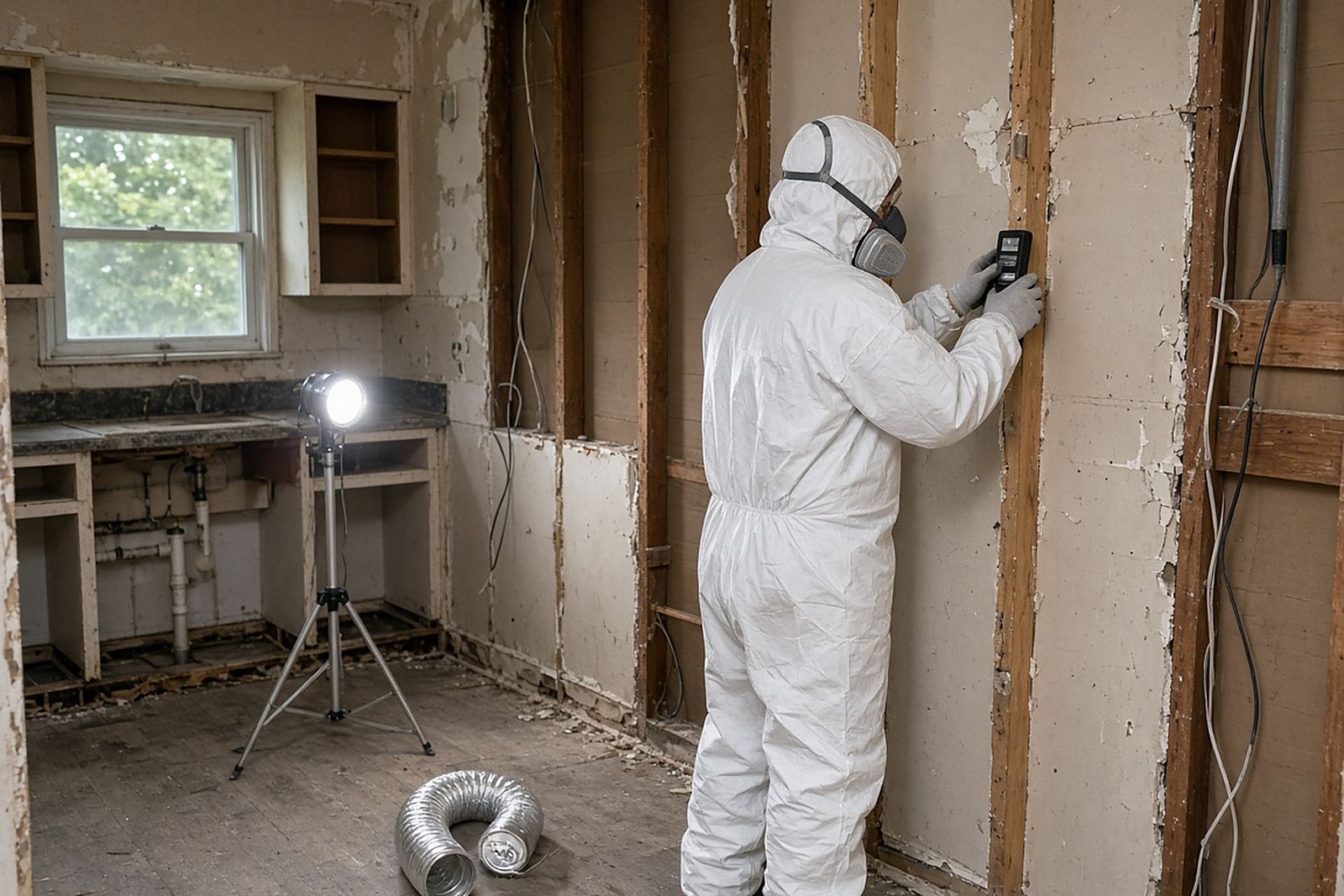 How to Evaluate Equipment Proposed for Meth Lab CleanupWhen a contractor lists equipment for meth lab cleanup, check that it supports the three things that matter. One is measuring residue with proper wipe sampling and chain of custody. One is removing it with fine-filter (HEPA) vacuums, detergent washing and a sealed work area. One is protecting workers with respirators and chemical-resistant suits. Sealing coats and odor tools should come after cleaning, never in place of it, and every item should fit your state's program.
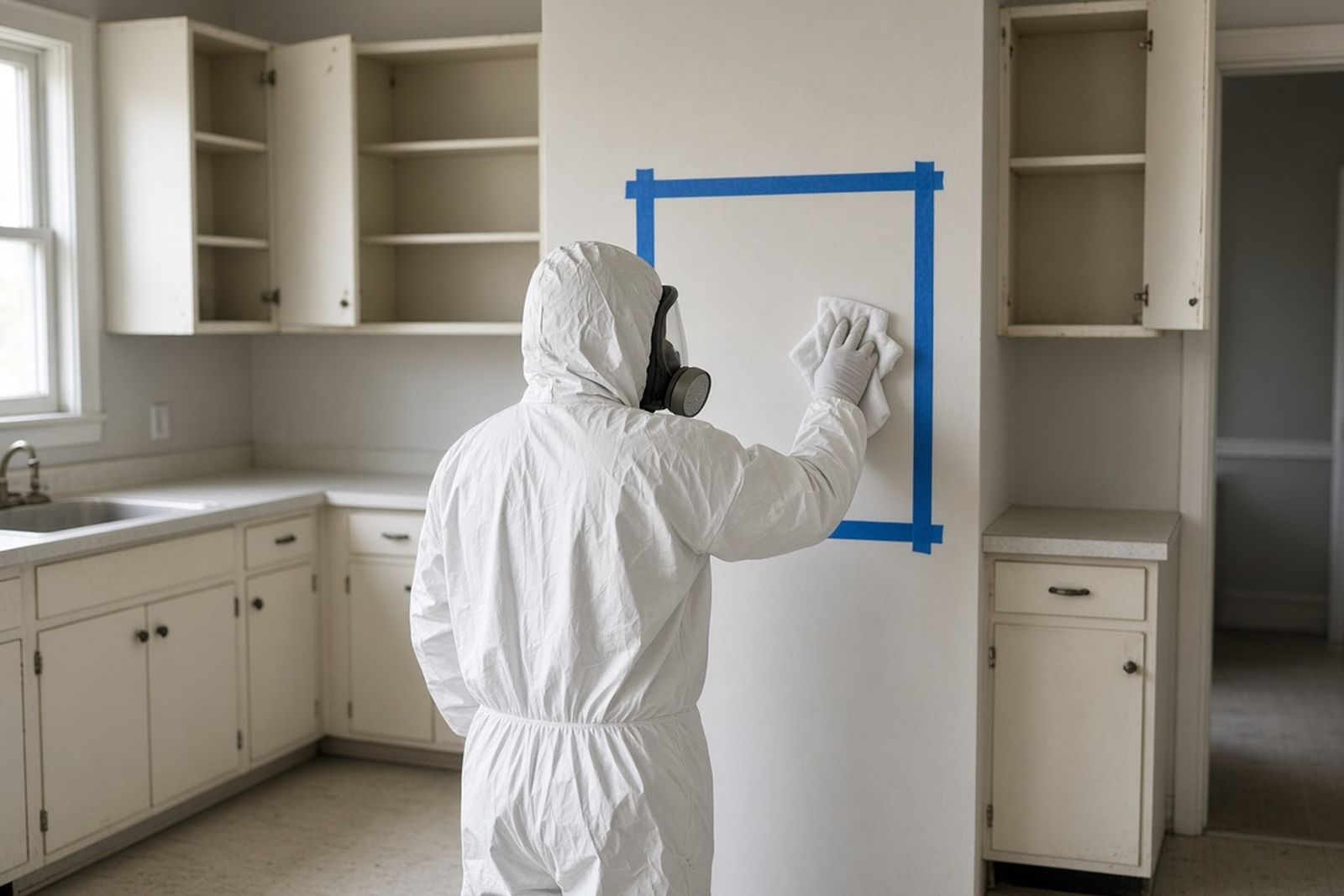 10 Meth Lab Cleanup Safety Risks to Assess Before Work BeginsBefore meth lab cleanup starts, check ten risks. They are leftover chemicals and equipment, fire and explosion damage, invisible drug residue and corrosive or reactive stains. They include contaminated plumbing and septic systems, spread through the heating and cooling system, and sharps and drug-use items. The last three are exposure to vulnerable people, structural and utility hazards, and legal limits on the property. Each one decides who enters first, what protection they need and what order the work follows.OSHA Regulations and Meth Lab CleanupOSHA protects the workers who clean up a former meth lab, not the property. Crews are commonly trained under the hazardous waste operations standard, known as HAZWOPER. They work under OSHA rules for respirators, personal protective equipment and hazard communication. State meth cleanup programs often set their own contractor and clearance requirements on top of OSHA, so check both layers.
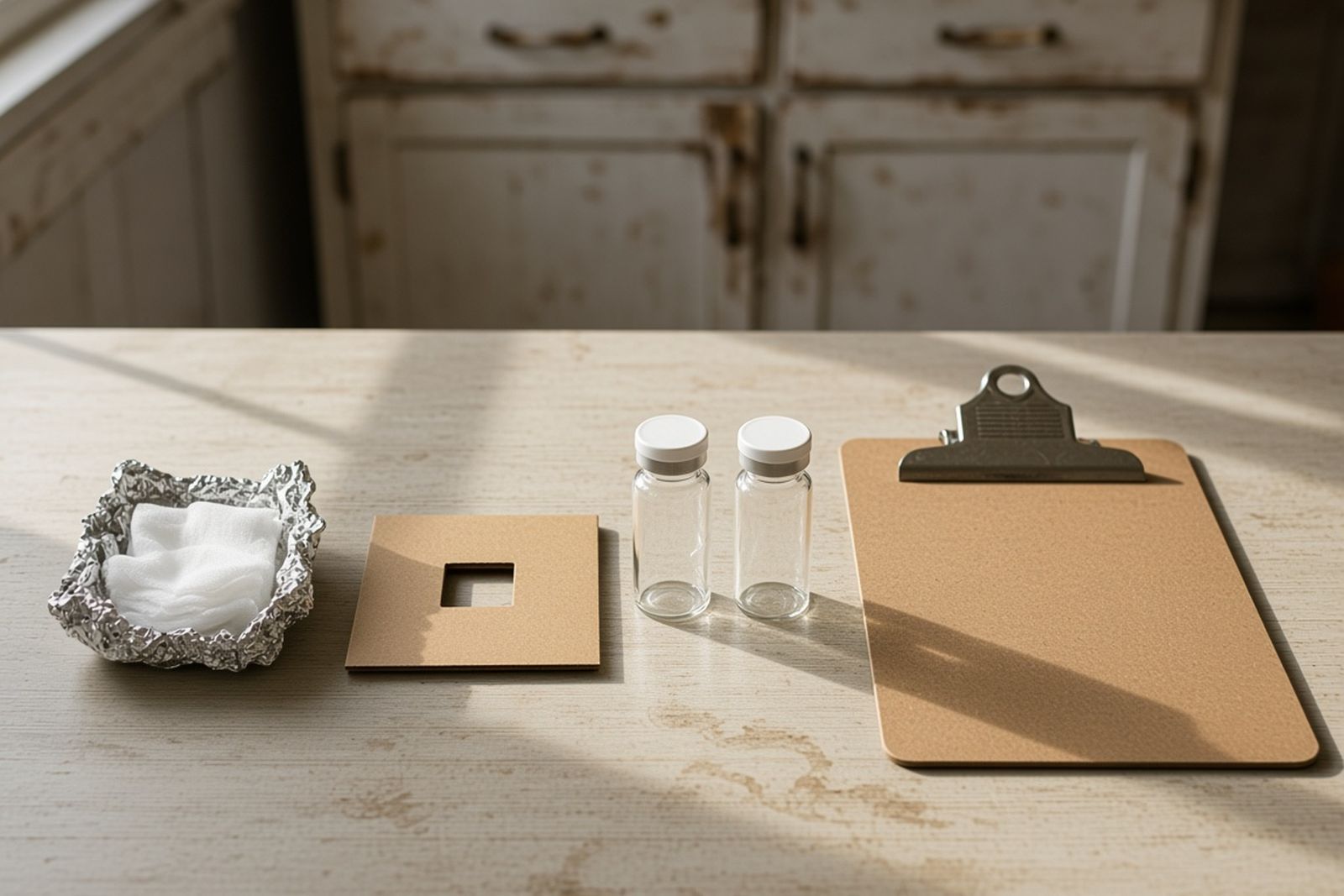 Red Flags When Hiring Meth Lab Cleanup ServicesWatch for a meth lab cleanup contractor who offers to skip the first or the clearance sampling, or who wants to paint or seal walls without cleaning them. Be wary of one who insists on grading its own work where independence is required, or cannot name your state's standard. Other warning signs are a promised pass before testing, no plan for ducts and plumbing, and no written answer on what happens if clearance fails.When ATP Testing Helps—and When It Does Not—in Meth Lab CleanupThe quick swab test many cleaners use cannot tell you whether a former meth lab is clean. It measures leftover organic residue, not methamphetamine or lab chemicals, and it does not detect germs. Clearance for meth depends on surface wipe samples analyzed by an accredited lab and compared with your state or local limit. The swab test may still help with separate biological problems at the same property, such as bodily fluids or animal waste.How to Evaluate Technology Used in Meth Lab CleanupJudge any meth cleanup tool by asking whether it helps measure residue, remove it or contain it. Then ask whether the result can be checked with lab wipe samples against the limit that applies to you. Accredited lab analysis, fine-dust (HEPA) filters, air machines that keep dust inside the work area and proper duct cleaning tools all have clear roles. Be skeptical of sprays, foggers or machines that claim to neutralize residue without physical cleaning or clearance testing.