Field guide
Meth Lab Cleanup: School and Childcare Guide
What a school or child care center should do about a meth concern. Get help, move children, test, protect staff, handle materials, update parents, and reopen.
For: This guide is for school and child care leaders, district leaders, and safety and facilities teams. It is also for cleanup experts, insurers, families, landlords, and public agencies.
Organizational editorial byline · Updated 2026-08-02 · Verify case-specific requirements with the responsible authority.
Ask about your situation
Your request is sent to the follow-up inbox. A coordinator can reply by email. Not for emergencies; call 911 first if anyone is in danger.
Direct answer
What is the practical approach?
Meth may have been made, converted, stored, or dumped at a school or child care site. Or there may be unknown lab items. If so, call emergency services or the police. Staff should not take samples, and custodians should not clean. Keep children away. Keep track of every child and follow your plan for reuniting them with families. Keep medicine, meals, disability access, and privacy in place. After responders remove the main hazards and release the exact areas, find the current state and local rules. Map how residue could move through air and plumbing. Include children, staff, buses, equipment, learning materials, waste, soil, and water. Use a qualified assessor with a written testing plan that sets quality goals. Before reopening, you need the required cleanup approval and repairs. You also need child-safe services, enough staff, and written approval from education leaders.
Treat unknown lab items as an emergency when children are near
Some finds can cause explosions, fire, burns, poisoning, breathing harm, and harm to the environment. Watch for reaction gear, tubing, gas cylinders, powders, tablets, or stained containers. Also watch for homemade exhaust, chemical smells, fire damage, or dumping. Keep children, families, employees, custodians, and maintenance workers away. Call the right authority. Do not open containers, turn on fans, switch equipment on or off, or flush drains. Do not move a backpack or wipe a surface for testing. Do not ask a science teacher or nurse to identify the material. Keep a way in for responders and keep exits clear and accessible.
Use incident command and your set plans to leave the building, shelter in place, dismiss, and reunite children with families. Keep track of every child and keep them supervised. Keep emergency medicine, food, wheelchair access, rides, and age-appropriate support in place. Save badge, camera, and visitor records. Save delivery logs, chemical lists, and waste, vehicle, and upkeep records. Note the status of each building system. Give each person a clear role. One person talks to the authorities. Others run the program, track students, and handle safety, the building, health, and security. Others handle family updates, the cleanup expert, the cleanup company, the insurer, the property, and records. Do not accuse anyone or make claims about exposure you cannot support.
Record the first removal and the current property cleanup rules
The EPA treats the emergency removal of chemicals, lab gear, containers, and immediate dangers as different from the later cleanup of leftover residue. Write down the agencies that came. List the released classrooms, offices, storage, buses, playgrounds, outdoor spaces, and utilities. Note the kinds of items removed, any known spills or fire, and limits still in place. Responders leaving does not mean staff can test or custodians can clean as usual. If unknown containers, reactions, powder, or unsafe hazards remain or come back, stop private work. Hand the problem back to the authority.
Find the current state and local rules. They may cover notice, warning signs, access, and who is qualified. They may cover the first check, testing, cleanup levels, and waste. They may also cover the final report, review, public lists, disclosure, and reopening. The EPA's August 2021 guidance is voluntary. Name who will plan the tests, take samples, run the lab work, and read the results. Also name who will do the cleanup, review it, and approve it. Keep the technical cleanup apart from other decisions. Those include student discipline, staff action, criminal evidence, and education records. They also include family updates, the lease, insurance, food, and keeping programs going.
Map how residue could spread before testing campus spaces
Map where meth may have been made, converted, used, stored, spilled, or dumped. Check ceilings, floors, walls, cabinets, heating and cooling (HVAC), and plumbing. Check drains, the sewer or septic system, buses, vehicles, and loading areas. Check waste, soil, and water. Think about how people and things move. That includes students, staff, responders, custodians, families, food, and linens. It also includes sports gear, instruments, technology, strollers, wheelchairs, and property. A chemical smell, a positive home kit, a public list entry, or one object cannot describe a campus. None of them shows that every classroom and surface children touch needs the same action.
Write a testing plan with clear quality goals. It should name the chemicals to test for and the areas each result will decide. It should name the surfaces, spots, and sample sizes. Where allowed, it should say whether samples are taken one by one or combined. It should also cover quality checks, chain of custody, the lab, reporting limits, the cleanup level, and the pass-or-fail rule. Leave planned surfaces, filters, drains, buses, equipment, toys, books, and system settings as they are until the plan allows changes. Check nearby rooms when there is a sound reason, such as shared air, plumbing, contact, equipment, or foot traffic. Write down spaces left out or not reachable, and how the unknowns affect children's access.
Keep staff safety separate from running the school
Each employer should review the hazards. These can include fire, burns, poisons, dust, breathing risks, electrical risks, sharps, and unknowns. They should also check which OSHA rules apply. Whether OSHA's hazardous waste rule (HAZWOPER) applies depends on the work and the legal facts. It is not a general clearance for any property. Breathing protection, chemical hazard training, protective gear, decontamination, exposure response, emergency plans, and training all need plans built for the task. Teachers, aides, nurses, bus staff, custodians, and maintenance workers should stay out of chemical testing and cleanup. The exception is when they are assigned and protected for it.
Check that each provider meets current rules, and ask them to disclose business ties. That includes assessors, samplers, labs, cleanup contractors, and waste haulers. It also includes environmental experts, building trades, contents experts, and rebuild vendors. Set up clean staging areas and protected routes. Keep them away from children, food, medicine, nap areas, clean supplies, and family pickup. Plan noise, smell, lighting, and after-hours access. Do not assume an empty building removes every worker or system hazard. A training card or protective suit does not give anyone permission to handle unknown live chemicals.
Control learning materials, items children touch, food, and waste
The cleanup plan should cover removal and vacuuming with a HEPA (fine-particle) filter where it fits. It should cover wash cycles, air flow, plumbing, the sewer or septic system, and buses. It should also cover outdoor soil and surfaces, testing after cleanup, sealing where allowed, and the final report. Make a separate decision for each type of item. That includes finishes, desks, cots, mats, rugs, soft play items, toys, and books. It also includes art supplies, costumes, technology, instruments, sports gear, adaptive aids, and personal property. Deep cleaning, ozone, air freshener, paint, or routine custodial service does not meet the finish line set by local rules.
Hold these apart through the people responsible for them: food, medicine, and pumped breast milk where it applies. Do the same for learning materials, devices, student belongings, staff property, and evidence. Before anything moves, identify what type of waste it is. That includes chemicals, filters, HEPA vacuum debris, wash water, demolition debris, soil, and ordinary property. Spell out who is responsible as the waste owner, the containers, and the routes inside the building. Set the hauler, the destination, the records, and plans for a rejected load and for spills. Do not flush unknown residue. Do not mix it with regular school, sewer, storm drain, or trash waste.
Keep teaching and family updates going through each checkpoint
To keep learning going, you may use other classrooms or sites and change schedules. Where it fits, you may use remote learning. Keep up food service, medicine, nursing, counseling, and special services. Keep transport, staffing, security, and accessible family pickup in place. These steps reduce disruption, but they do not mean the cleanup passed. Use one official channel for families, with language and disability support. Share confirmed facts about closures, care, pickup, belongings, the next decision, and updates. Do not name anyone affected, assign blame, promise how exposure will turn out, or predict a finish date.
Set checkpoints where work stops for review. Put one before changing air flow, replacing filters, plumbing work, or custodial cleaning. Put one before moving contents, coating, flooring, or building work that changes test evidence. Keep the methods, sample spots, quality checks, chain of custody, and lab data in the final report. Also keep failed or invalid results, fixes, retests, and comparisons there. Once the required cleanup approval is in hand, repairs can restore utilities, HVAC, and plumbing. They can also restore disability access, fire and life safety, alarms, childproofing, finishes, and equipment. Protect approved areas from dust, moisture, chemicals, tools, and traffic from other zones.
Reopen after cleanup approval and when the site is safe for children
The permanent file should hold the emergency release, current rules, and access records. It should include the map of how residue could spread, and every sample and quality check result. It should include the cleanup plans and changes. It should show decisions on materials, systems, buses, learning items, food, medicine, property, and waste. It should list fixes, after-cleanup results, the final report, and the required approval. It should also record repairs, limits, and restrictions. Keep student, employee, medical, education, evidence, security, and legal records apart, based on each person's role. An area that passed does not prove that spaces left out or not tested were checked.
Before reopening, confirm the required cleanup approval. Check utilities, air flow, plumbing, disability access, and fire and life safety. Check alarms, locks, childproofing, and play and classroom equipment. Make sure food, medicine, and housekeeping are ready. Confirm staffing and child-to-staff ratios, special services, attendance, transport, and security. Have emergency plans and family notices ready. Record the approvals from education, child care, district, safety, facilities, and property leaders. Do not promise the site is chemical-free. If new evidence shows up, pause the related decision and write down a new review.
Decision table
At a school, keep emergency, cleanup, child care, worker, and reopening decisions separate.
| Decision | Evidence | Who decides |
|---|---|---|
| Active hazards | Responder instructions, removal record, and boundary | Emergency services or police |
| Assessment | Map of how residue could spread on campus, testing plan, quality checks, and lab data | Qualified roles under current rules |
| Children and staff | Tracking children, other care, routes, and worker safety steps | Education leaders and each employer |
| Materials and waste | Item decisions, waste type, custody, and destination | Facility, family, and cleanup owners |
| Cleanup approval | Fixes, after-cleanup results, and final report | Required reviewer or authority |
| Reopening | Systems, childproofing, services, staffing, and notices | Approved operator and property signer |
Action checklist
- 1Keep children and staff away from unknown chemicals.
- 2Start emergency and family reunion plans.
- 3Keep medicine, meals, disability access, transport, and supervision in place.
- 4Save access, visitor, vehicle, chemical, waste, and system records.
- 5Record what was removed, exactly what was released, and any limits.
- 6Find the current state and local rules.
- 7Map air, drains, children, staff, buses, items, waste, soil, and water.
- 8Use a written testing plan with quality checks and chain of custody.
- 9Keep routine staff out of chemical testing and cleanup.
- 10Hold items children touch, food, medicine, property, and evidence apart.
- 11Identify the type of waste and wash water before it moves.
- 12Keep family updates accessible and offer other services.
- 13Protect test surfaces during repairs and custodial cleaning.
- 14Get cleanup and leadership approval in writing before reopening.
Questions and answers
Should school staff use a meth test kit?
Do not take a test while hazards are live or unknown. Call the right authority. After release, testing should follow current state and local rules and a written plan from a qualified person. Store-bought or field kits may not meet the need. They may lack set surface sizes, quality checks, chain of custody, lab reporting, cleanup-level comparison, or a plan built for campus decisions. A quick result can give false comfort or lead to a closure that is not needed. It may also change evidence needed for a sound assessment.
Does one positive classroom result close the whole school?
A positive result answers the question that sample was set up for. It does not by itself close the whole campus. Review the testing method, quality checks, location, surface size, and cleanup rule. Also look at the event history, HVAC, plumbing, contact, equipment, and how students and staff move. Use sound zones and temporary steps to keep programs going while qualified testing goes on. One positive spot does not prove the state of untested spaces. Neither does the distance to another wing.
Does HAZWOPER always apply?
No one can give a blanket answer. It depends on the work, the site's status, the employer's role, the hazards, and the legal criteria. Employers should write down their review and any other rules that apply. A training card is not property clearance. It does not permit handling unknown live chemicals or deciding where children may go. Unknown emergency hazards should stay with the responsible public or hazardous materials authority until official release.
Can books, toys, and instruments be saved?
Possibly. The decision depends on the material, how porous it is, and its seams. It depends on whether children touch it or put it in their mouths, and where it was. It also depends on how residue could have reached it, the rule in charge, the proposed method, testing or approval needs, and limits. Hold items apart before anything moves. Some may be treated, and some sent to experts. Some may be removed because a clear, testable finish line is not practical. Cost to replace or sentimental value can help set priorities. But they cannot make hidden material testable or back up a promise to save it.
Who decides that children may return?
The required cleanup reviewers or authorities decide if the cleanup passes under current rules. Then the approved school or child care leaders look at that record with other needs. They check power, water, air flow, and plumbing. They check fire safety, wheelchair access, alarms, and childproofing. They check equipment, food, medicine, housekeeping, staff, and special services. Buses, security, emergency plans, and family notices count too. The cleanup company does not make the whole reopening choice. Write down the approvals, boundaries, limits, and follow-up plan.
Can after-school programs or outside groups use the building during assessment?
Not in any area within the assessment boundary or connected to it by air, plumbing, or shared routes. Outside groups usually don't know about the restrictions and may wander into closed spaces. Suspend or move those programs until the technical team has defined which zones are unaffected, and then use signs, locked doors, and a briefed contact to keep visitors on approved routes.
Should the playground and grounds be part of the assessment?
Include them if there's any sign that material was dumped, stored, burned, or moved outside. Look at dumpsters, sheds, parking areas, drainage, soil, and play equipment near where the activity happened. Children touch surfaces outdoors just like they do inside. A qualified assessor should decide whether soil, water, or outdoor surfaces need sampling, and grounds staff should hold off on mowing, raking, or pressure washing until then.
Primary sources and scope
These sources support specific safety or process statements. They do not certify a provider, establish a universal property-clearance standard, or replace local requirements.
Use this guide with the planning tools
Open the insurance claim organizer to keep the paperwork orderly from the first call to the carrier decision. When you are ready to compare providers, the vetting checklist turns the questions in this guide into a list you can send.
Related articles
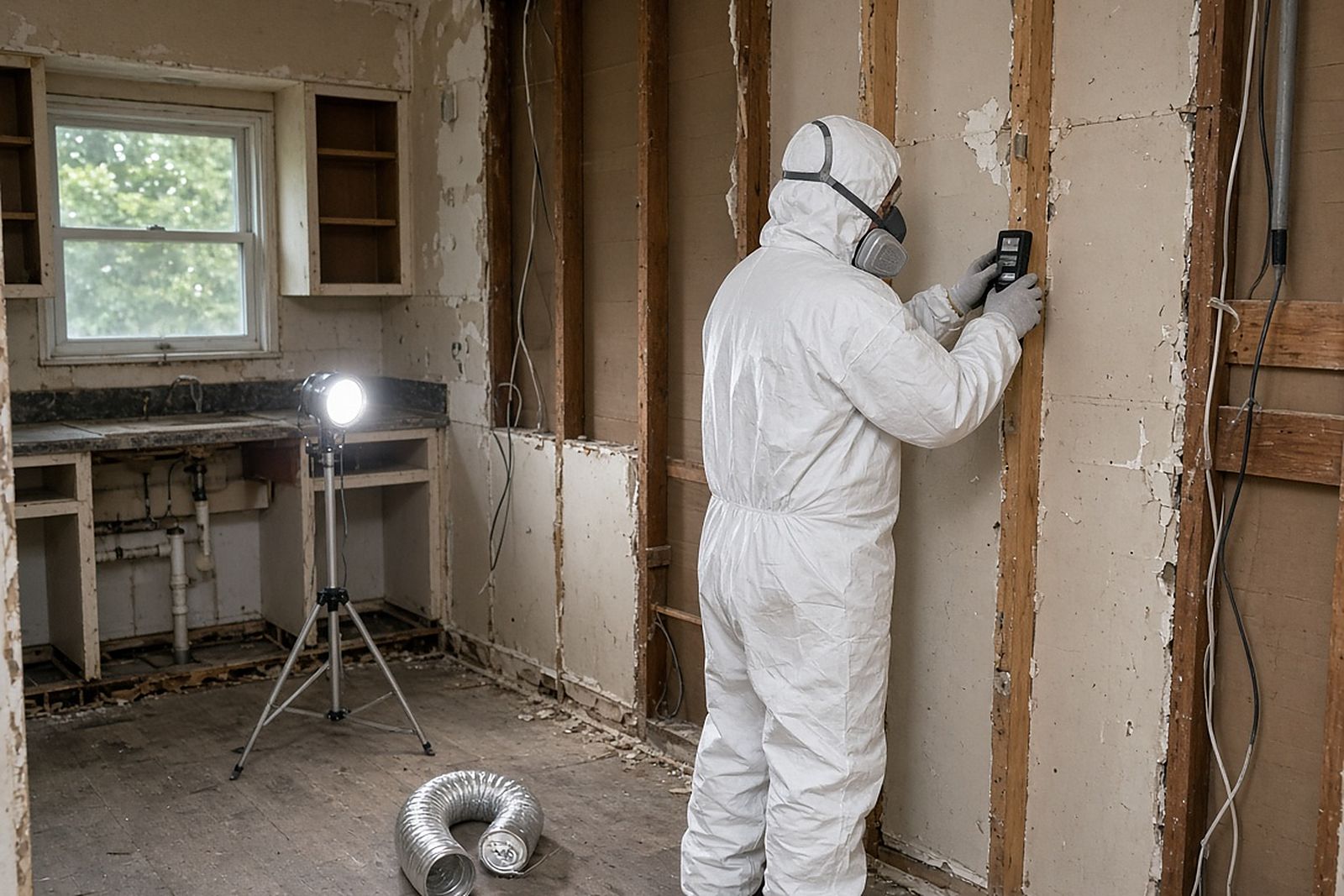 How to Evaluate Equipment Proposed for Meth Lab CleanupWhen a contractor proposes equipment for meth lab cleanup, check that it supports the three things that matter: measuring residue with proper wipe sampling and chain of custody, removing it with HEPA vacuums, detergent washing and containment, and protecting workers with respirators and chemical-resistant suits. Encapsulants and odor tools should come after cleaning, never instead of it, and every item should fit your state's program.
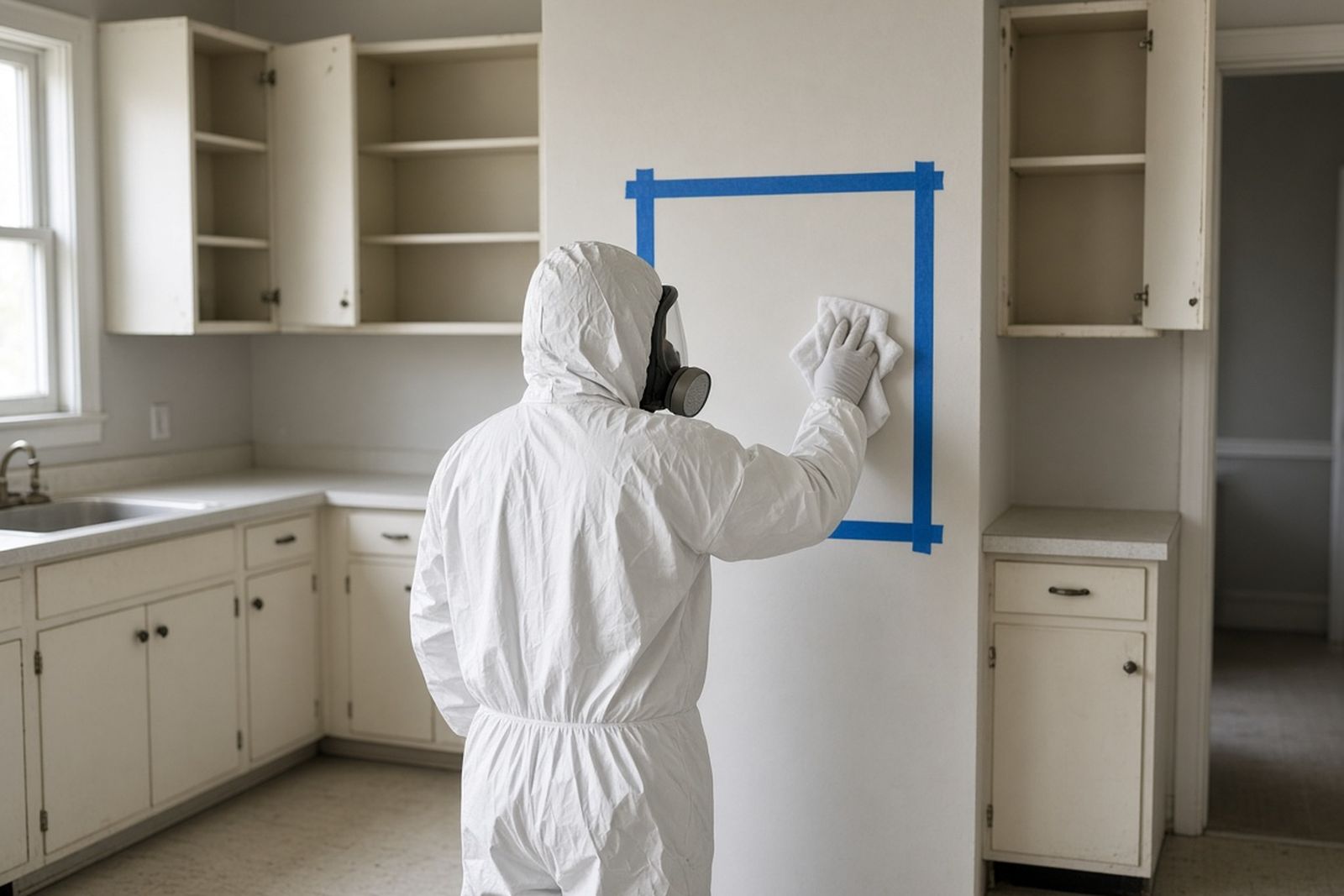 10 Meth Lab Cleanup Safety Risks to Assess Before Work BeginsBefore meth lab cleanup starts, assess ten risks: leftover chemicals and equipment, fire and explosion damage, invisible drug residue, corrosive or reactive stains, contaminated plumbing and septic systems, HVAC spread, sharps and drug paraphernalia, exposure to vulnerable people, structural and utility hazards, and legal restrictions on the property. Each one decides who enters first, what protection they need and what order the work follows.OSHA Regulations and Meth Lab CleanupOSHA protects the workers who remediate a former meth lab, not the property. Crews are commonly trained under the hazardous waste operations standard, known as HAZWOPER, and work under OSHA rules for respirators, personal protective equipment and hazard communication. State meth cleanup programs often set their own contractor and clearance requirements on top of OSHA, so owners should check both layers.
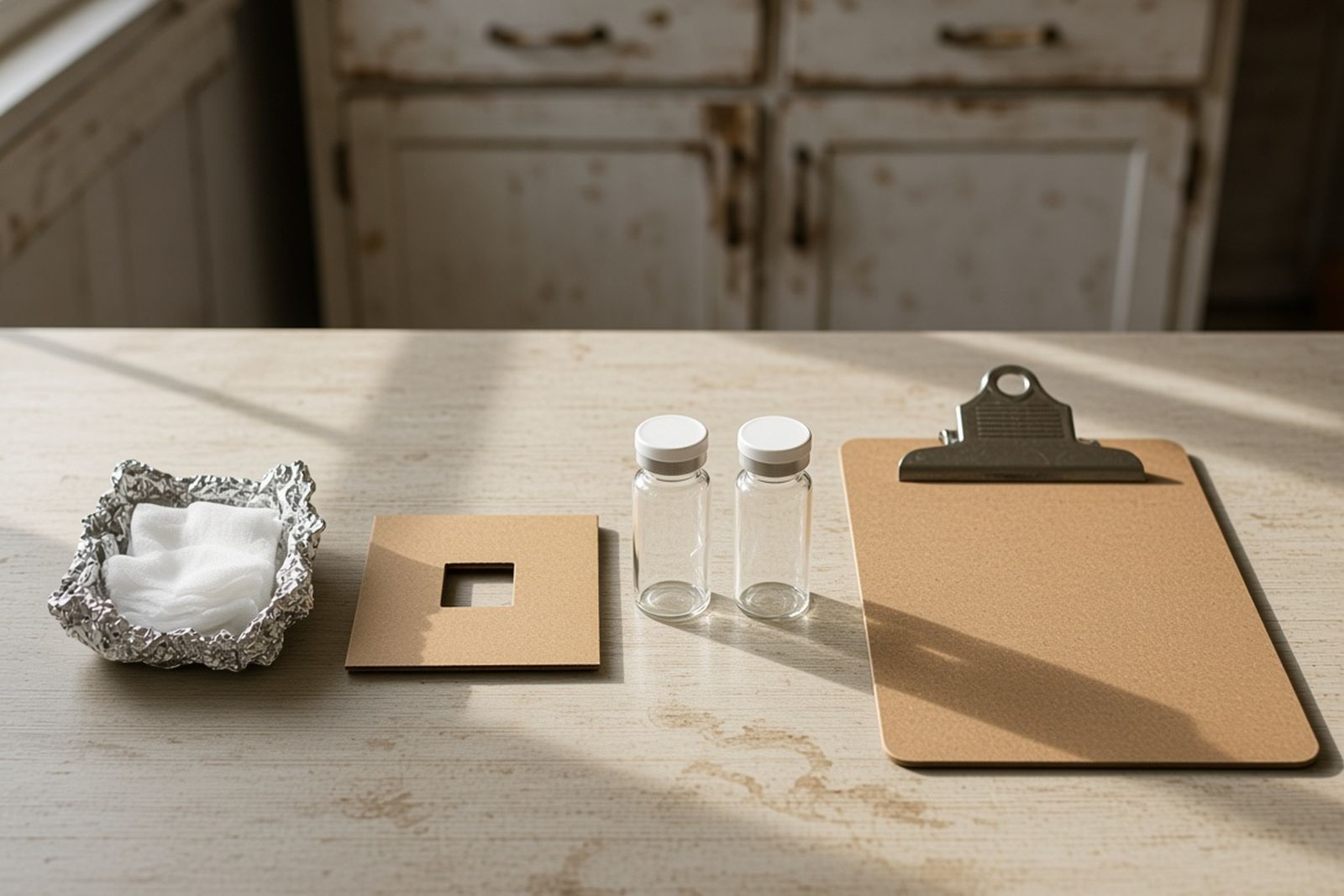 Red Flags When Hiring Meth Lab Cleanup ServicesRed flags when hiring a meth lab cleanup contractor include offering to skip preliminary or clearance sampling, proposing to paint or seal walls without cleaning, insisting on grading their own work where independence is required, being unable to name your state's standard, guaranteeing a passing result before testing, ignoring ductwork and plumbing, and refusing to explain in writing what happens if clearance fails.When ATP Testing Helps—and When It Does Not—in Meth Lab CleanupATP testing cannot tell you whether a former meth lab is clean, because it measures biological residue, not methamphetamine or lab chemicals. Clearance for meth contamination depends on surface wipe samples analyzed by an accredited laboratory and compared with the applicable state or local limit. ATP swabs may still help on separate biological problems, such as bodily fluids or animal waste found at the same property.How to Evaluate Technology Used in Meth Lab CleanupEvaluate meth cleanup technology by asking whether it helps measure residue, remove it or contain it, and whether the result can be verified with laboratory wipe samples against the applicable limit. Accredited lab analysis, HEPA filtration, negative air and proper duct cleaning tools have clear roles. Be skeptical of sprays, foggers or machines claiming to neutralize residue without physical cleaning or clearance testing.