Short answer
Meth lab cleanup began as an emergency response to hazardous chemicals in home labs and grew into a regulated remediation practice with state cleanup standards, federal voluntary guidelines, certified contractors and laboratory clearance sampling. As domestic lab seizures dropped sharply, attention shifted toward residue from meth use, debates about appropriate thresholds and the paperwork owners need to rent or sell a property.
Origins in hazardous-materials response
Meth lab cleanup started as a hazardous-materials problem. When small clandestine labs spread through homes, motels, sheds and vehicles, law enforcement and fire crews found themselves dealing with flammable solvents, corrosive acids, toxic gases and improvised equipment. The first priority was removing bulk chemicals and containers so that the site no longer posed an immediate danger of fire, explosion or poisoning.
Once those materials were gone, the property itself was often left as it was. Owners were sometimes told the lab had been removed and that they could clean up the rest. There was little guidance about the residue left on walls, floors, ducts and furnishings, and few people understood how long it could persist.
Over time, reports of health complaints among people who moved into former labs, along with growing concern about children in those homes, pushed the question of residual contamination onto public agendas.
Children became a particular focus. Responders began reporting that kids were living in or near active labs, sometimes sleeping in rooms where chemicals were stored or cooked. That concern helped drive the first formal programs, because it made clear that the danger did not end when the lab equipment was hauled away.
How big was the home-lab era, and how has it changed?
The scale of the problem in its peak years is hard to overstate. According to a 2025 summary from the National Association of Realtors citing the DEA's National Drug Threat Assessment, the DEA's El Paso Intelligence Center documented 23,700 clandestine meth lab seizures in 2004, compared with only 60 reported lab seizures in 2023.
That drop reflects changes in how methamphetamine is produced and supplied. Restrictions on precursor chemicals made small home labs harder to run, and much of the supply shifted to large-scale production elsewhere.
Fewer home labs does not mean the cleanup field disappeared. Many properties that housed labs years ago were never properly remediated, and residue can remain for long periods. Contamination from people smoking meth indoors, rather than making it, also became a larger share of the work. The industry adapted to both.
When did states begin setting cleanup standards?
As awareness grew, states began to set numerical cleanup standards and to create programs for certifying contractors and releasing properties. These standards typically express an acceptable level of methamphetamine on surfaces in micrograms per 100 square centimeters.
Those numbers were not uniform. Different states based their standards on different reasoning, including what laboratories could reliably detect, what was achievable with cleaning and what health research suggested. Some states set low numbers close to detection limits. Others set higher numbers tied to health-based assessments.
The result was a patchwork that still exists. Some states have detailed laws, others have only general guidance, and some have no drug-lab cleanup statute at all. For any particular property, the state or county drug-lab program is the place to confirm what applies today.
Certification programs grew up alongside the standards. States that set numbers often also required contractors to complete specific training, file work plans and submit final reports to an agency. That structure gave owners a way to find qualified firms and gave agencies a way to track which properties had been addressed.
The role of federal guidelines
Because there is no binding federal cleanup standard for residential meth contamination, federal guidance has served as a reference point, especially for states without their own rules.
According to the EPA, its Voluntary Guidelines for Methamphetamine and Fentanyl Laboratory Cleanup were first issued in 2009, revised in 2013 and updated again in August 2021 to add fentanyl. The guidelines describe steps such as ventilation, removal of contaminated materials, washing, HVAC and plumbing work, and sampling.
For contractors, the guidelines offered a shared vocabulary and a method to cite in work plans. For owners in unregulated states, they provided a way to ask whether a contractor was following a recognized approach. The addition of fentanyl also signaled that cleanup programs were starting to think beyond meth alone.
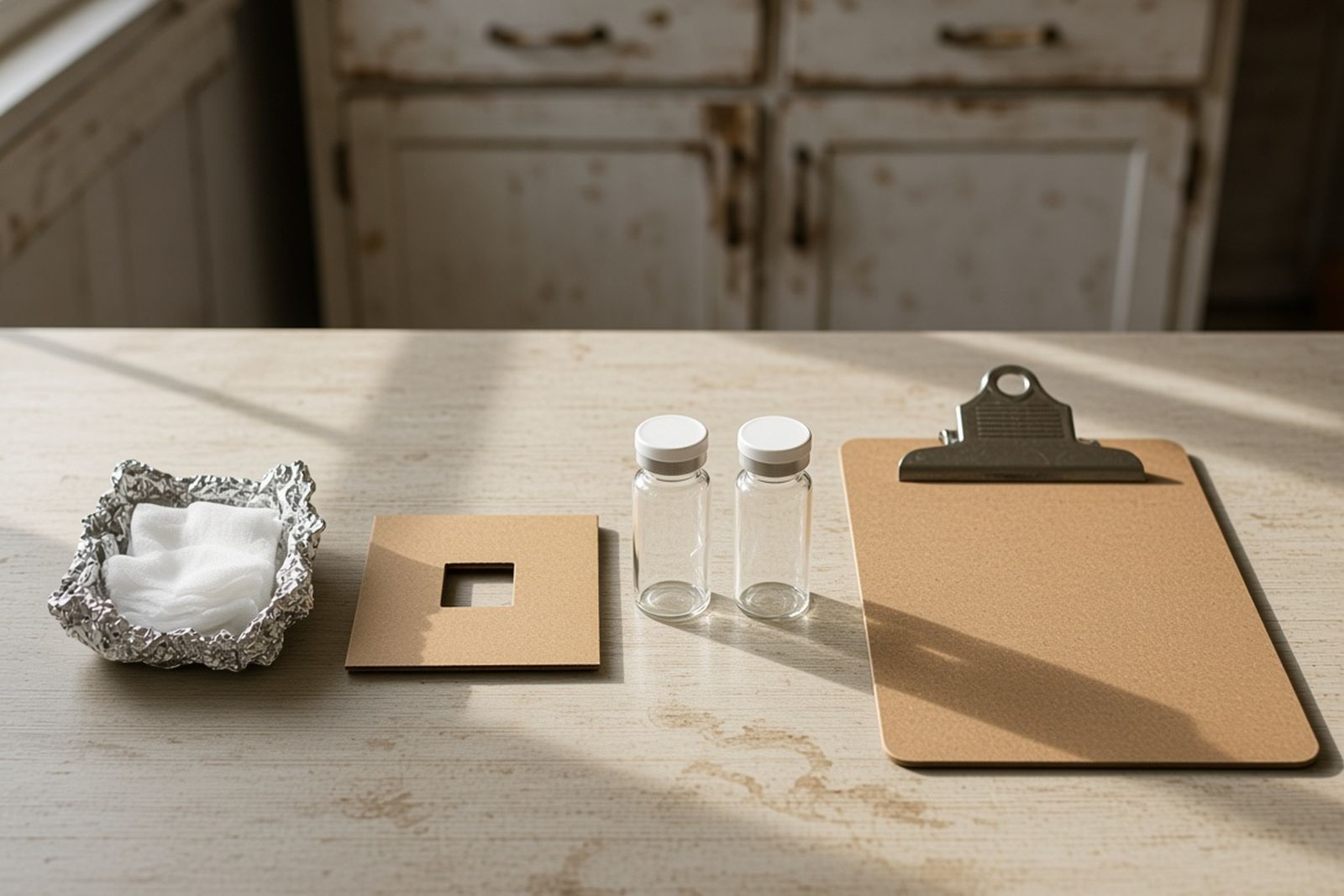
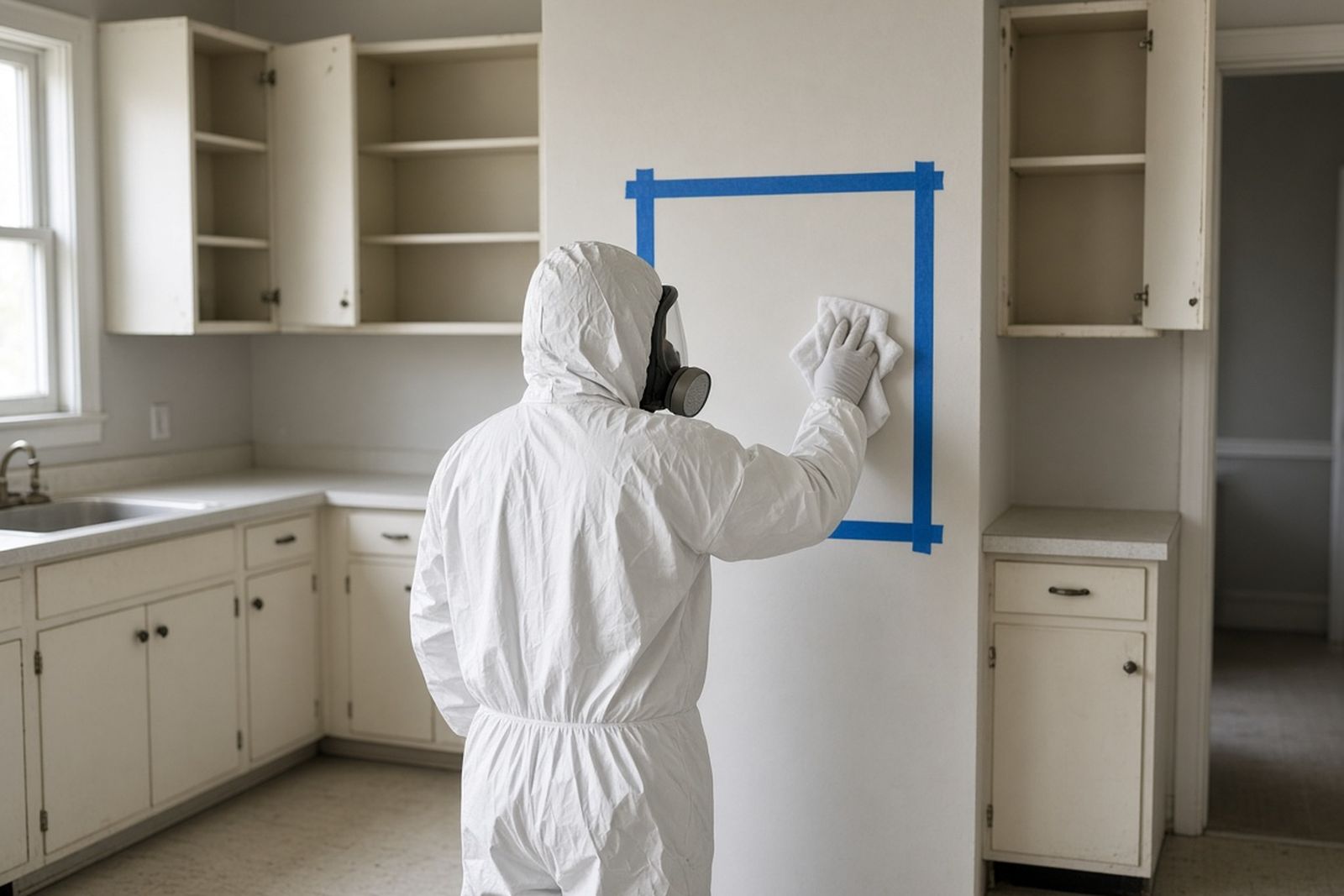
Federal guidance also influenced how laboratories and samplers worked. Common expectations about wipe materials, surface area and chain of custody made results more comparable from one job to the next, which in turn made clearance reports more credible to buyers and agencies.
Six ways cleanup methods improved
Early cleanups often relied on heavy demolition or simple scrubbing and painting. As experience and sampling data accumulated, practice became more targeted and evidence-driven.
Several changes stand out:
- Preliminary sampling became common, so work plans could focus on the rooms and surfaces that actually exceeded the standard.
- Detergent washing with multiple passes replaced single wipe-downs on hard surfaces.
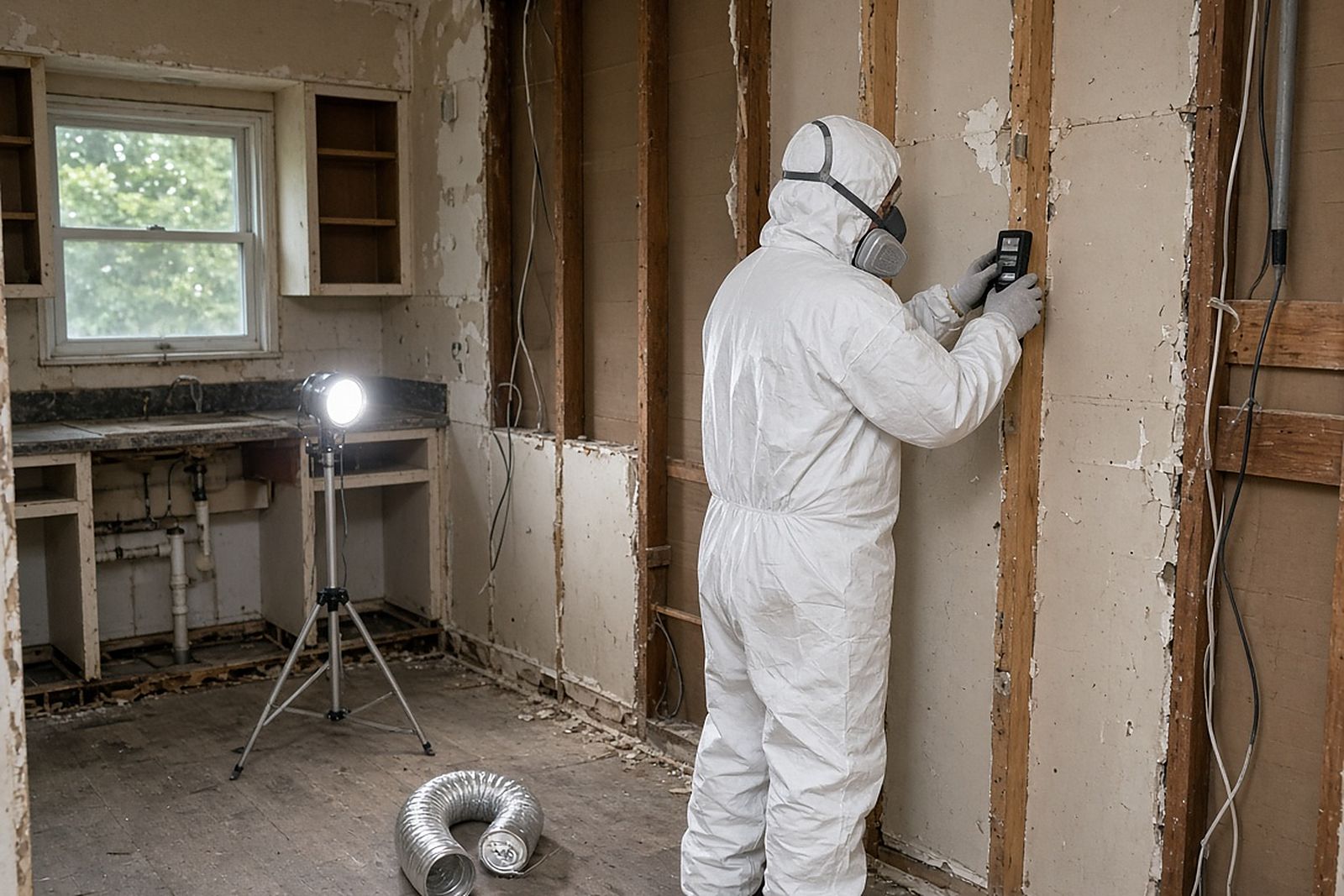
- Decisions to remove carpet, pad, insulation and some drywall were increasingly tied to sampling results and material type.
- HVAC systems and plumbing traps became standard parts of the scope, since residue travels through ducts and chemicals were often dumped in drains.
- Encapsulation with paint or sealants shifted from a primary method to a limited final step after cleaning, where allowed.
- Clearance sampling, sometimes by independent samplers, became the accepted way to prove a job was finished.
How have debates over thresholds shaped the field?
One of the most significant recent developments has been debate over what level of residue is truly a health concern, especially for homes where meth was smoked but not made.
New Zealand offers a notable example. According to a 2023 study in the Journal of the Royal Society of New Zealand, after the country raised its residential meth contamination threshold in 2018, average tenancy-tribunal remediation awards fell from NZ$10,300 to NZ$3,500. That shift shows how much a threshold decision can affect owners, tenants and the cleanup industry.
In the United States, some states have also revisited their standards or considered separate approaches for manufacture sites and use-only sites. These debates are ongoing, and they mean that the target a contractor works toward may change over time. Owners should confirm the current standard at the start of any project.
Then and now: one property across two decades
This timeline is a composite, built for illustration. In the early years of the home-lab boom, police find a lab in the garage of a rental house. A hazmat crew removes chemical containers and equipment. The landlord is told the lab is gone. He repaints the garage and rents the house again. No one samples anything.
Years later, a new owner buys the house. During a sale inspection, a sampler finds meth residue above the state standard in the garage, the adjoining laundry room and the return air duct. The state now has a certification program and a clearance process.
A certified contractor follows a work plan based on sampling results. The garage walls are washed and sampled; the laundry room drywall is removed; the ducts are cleaned; an independent sampler confirms clearance. The owner receives a release letter from the county.
None of these events is real. The contrast between the two cleanups reflects how the field has moved from removing chemicals to proving that a property is safe to live in.
Scenarios like this one explain why many buyers now ask about testing even when no one has mentioned a lab. A cheap test before closing can prevent a far more expensive surprise afterward.
How property transactions changed the work
As awareness spread, meth contamination became a real estate issue as well as a health issue. Some states added disclosure requirements for sellers or landlords who know of past meth production. Buyers, lenders and insurers began asking about testing. Landlords in some areas started using baseline testing between tenancies.
That shift made documentation central to the work. A final clearance report, laboratory results and any release letter from the local authority are now often as important to an owner as the cleaning itself. Without them, it can be difficult to show that a property was remediated.
It also created new pressure on contractors to be precise. A contractor whose file does not match state requirements may leave an owner unable to lift a notice or complete a sale.
Insurers enter the story
Insurers have become part of the story too. Coverage for meth contamination varies widely by policy, and some owners have discovered exclusions only after a problem surfaced. That uncertainty has pushed many landlords to rely on screening, inspections and testing rather than on insurance alone.
Where is meth lab cleanup heading?
Several trends are likely to shape the next stage. Programs are increasingly adding fentanyl and other synthetic drugs to their scope. Research continues into how residue behaves over time, how accurately wipe sampling reflects exposure and what levels matter for health. Debates about thresholds for use-only properties are likely to continue.
Transit systems and public spaces have also drawn attention as places where drug residue can accumulate, expanding the conversation beyond former home labs.
For owners, the lesson of this history is to focus on evidence. Ask what standard applies, insist on sampling before and after, choose a contractor who knows current rules and keep a complete file. Those steps reflect decades of lessons learned in a field that began with emergency chemical removal and grew into careful, documented remediation.
Sources
- National Association of Realtors — Meth Labs
- U.S. Environmental Protection Agency — Voluntary Guidelines for Methamphetamine and Fentanyl Laboratory Cleanup
- Journal of the Royal Society of New Zealand — Outcomes from the New Zealand Tenancy Tribunal after a review of policy on residential housing methamphetamine contamination