Short answer
Red flags when hiring a meth lab cleanup contractor include offering to skip preliminary or clearance sampling, proposing to paint or seal walls without cleaning, insisting on grading their own work where independence is required, being unable to name your state's standard, guaranteeing a passing result before testing, ignoring ductwork and plumbing, and refusing to explain in writing what happens if clearance fails.
Why this work attracts questionable offers
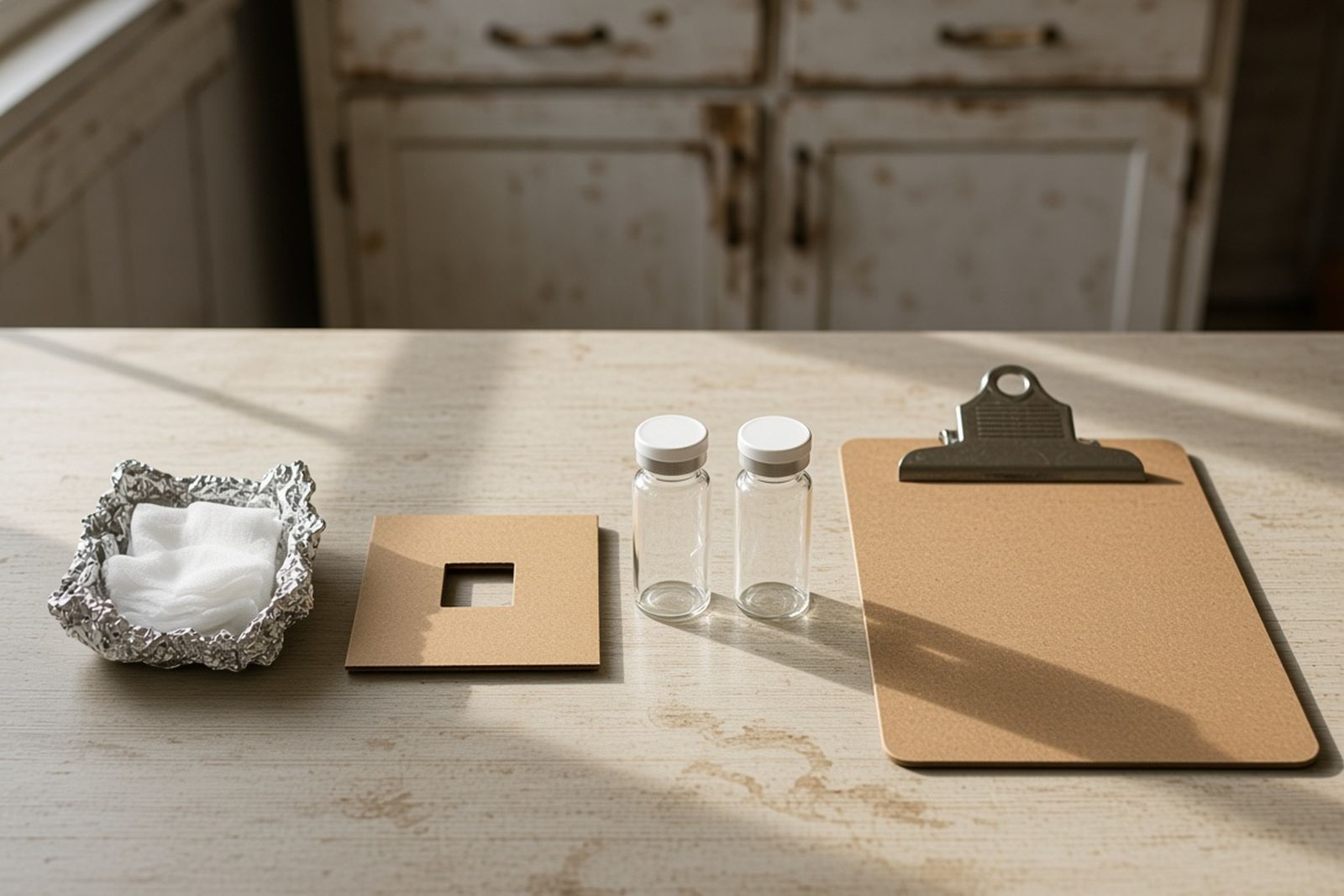
Methamphetamine residue is invisible. A former lab can look like any other tired rental: scuffed walls, stained carpet, a lingering odor or none at all. The only reliable way to know whether surfaces are contaminated, and whether they have been cleaned to a safe level, is a laboratory analysis of wipe samples.
That makes the work easy to fake. A contractor can scrub, paint and leave, and nothing visible will reveal whether the residue is still there. Owners are often under financial pressure too, with a vacant rental, a stalled sale or a posted health notice on the door.
Rules are also inconsistent from place to place. Some states have no law at all governing cleanup of properties contaminated by controlled substances, so an owner there may be relying entirely on the contractor. Where there is no statute, there may be no licensing, no required standard and no agency checking the result.
The warning signs below focus on the moments where a careless or dishonest contractor is most likely to cut corners.
Is it a red flag if a contractor wants to skip testing?
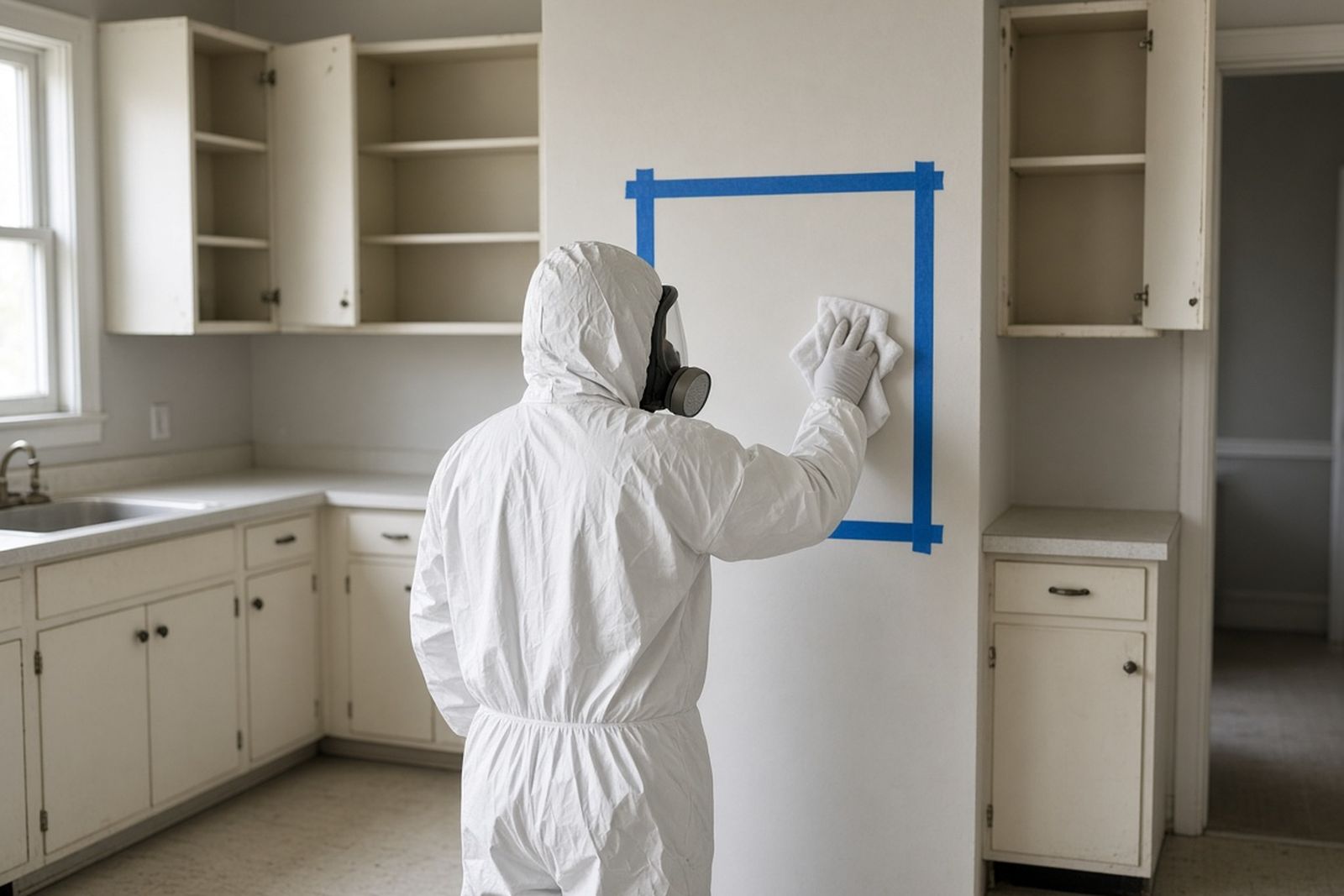
Yes, and it is probably the most serious one. Sampling does two jobs. Preliminary sampling tells you where the contamination is and how high it is, which shapes the work plan. Clearance sampling tells you whether the cleanup actually worked.
A contractor who says testing is a waste of money, that they can tell by looking, or that they will just clean everything to be safe is asking you to accept their word in place of evidence. That may leave you unable to prove to a buyer, lender, tenant or agency that the property was remediated.
Contamination can also persist far longer than people expect, including in homes that were occupied for years after the activity stopped. Time alone is not a cleanup method.
A related warning sign is a contractor who offers to collect only a few samples in the rooms that look cleanest. A sampling plan should follow where cooking or smoking likely happened, where air moved, and where people will spend the most time, not where results are most likely to be low.
Painting over walls, and grading their own work
Paint and sealants have a limited, specific role in some remediation plans, usually after surfaces have been cleaned and in accordance with state rules. A coat of primer never replaces the washing step.
A contractor who proposes to prime and paint contaminated walls without washing them first is hiding the problem rather than removing it. Residue under paint can be exposed again when the wall is sanded, drilled, damaged or repainted. Some jurisdictions restrict or prohibit encapsulation as a primary method.
Ask directly: will surfaces be washed and sampled before any coating is applied? If the answer is no, or vague, move on.
In some states, clearance sampling must be performed by someone independent of the cleanup contractor. The logic is simple. A company that is paid to pass a test has a natural incentive to collect samples in a way that helps it pass.
Even where independence is not required, it is a sensible safeguard. Be cautious of a contractor who insists on doing its own clearance testing, discourages you from hiring a separate sampler, or will not tell you which laboratory analyzes the samples.
Also watch for a contractor who does not know whether independence is required at your address. That gap suggests they may not know the other local requirements either.
No clear standard, and other warning signs in bids
A remediation plan needs a target. That target is typically a surface concentration: an amount of methamphetamine per sampled area. States that have standards use different numbers, and some states have none.
A qualified contractor should know the number that applies to your property, the agency that set it, and which reference they will use if your state has no standard. Federal voluntary cleanup guidelines are a common reference point.
If a contractor shrugs off the question or says the standard does not matter because they always clean thoroughly, you have no way to hold them to a result. Insist that the target appear in the written contract.
Be alert, too, to a contractor who quotes a number that sounds unusually permissive compared with what the local health department tells you. The standard is not a matter of opinion, and the agency that issues it is the right place to confirm it.
Beyond testing and standards, several patterns deserve extra scrutiny. None of them proves a contractor is dishonest, but each should prompt a pointed question before you sign anything:
- A guarantee that the property will pass clearance, given before any sampling results exist.
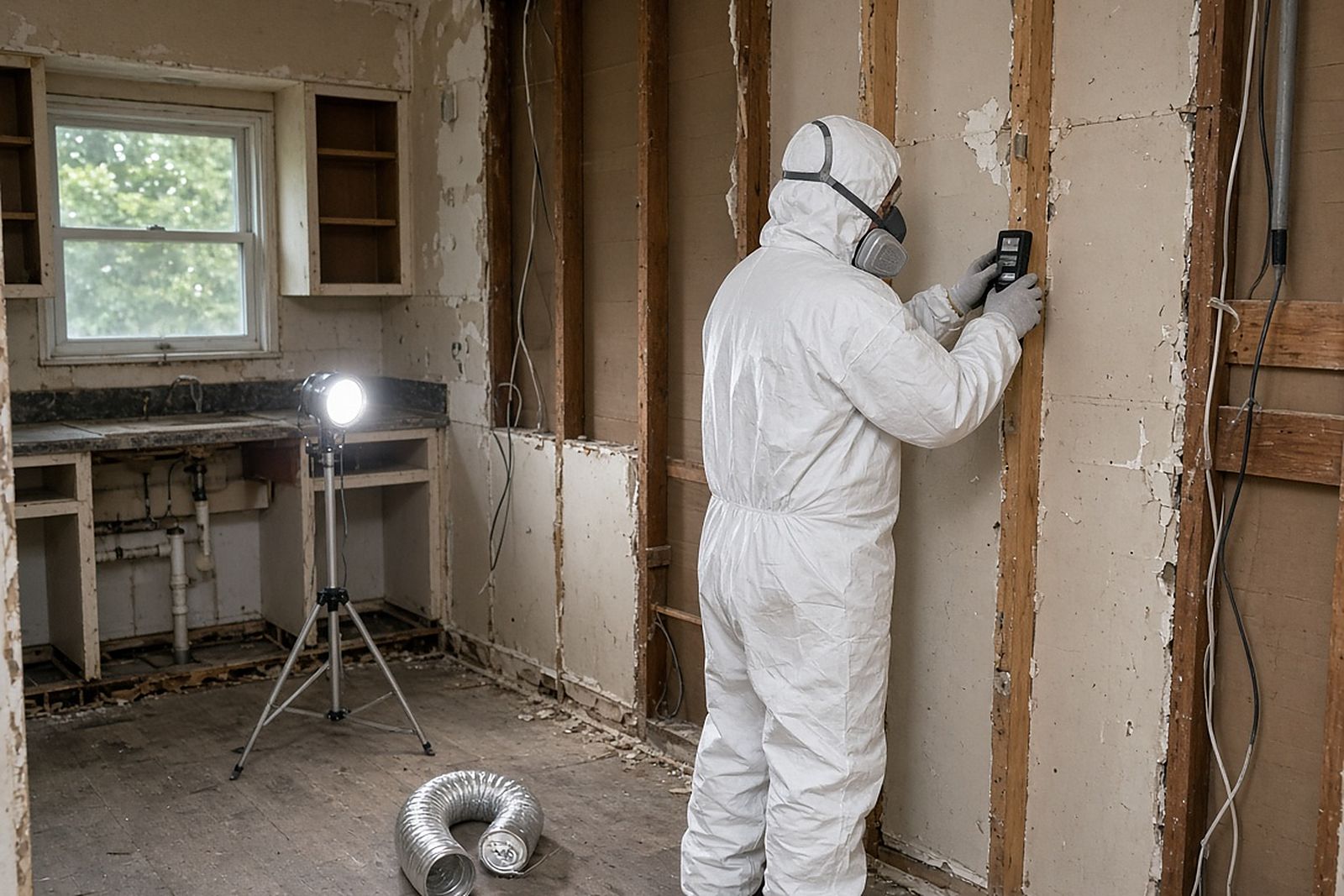
- No mention of HVAC ducts, registers, filters, sink traps or drains, even though residue can travel through air systems and chemicals may have been dumped into plumbing.
- A bid that proposes to tear out every surface regardless of sampling results, with no explanation of why.
- A bid that proposes to wash saturated carpet and pad rather than removing them.
- No written answer about who pays for re-cleaning and re-sampling if a room fails.
- No proof of the certification or license your state requires, where one is required.
- No mention of pollution or environmental liability insurance, which standard general liability policies may exclude.
- Pressure to let tenants move back in before a clearance report exists.
How a shortcut offer usually sounds
The shortcut offer tends to follow a script. The contractor will wash the walls, paint the unit and replace the carpet for a modest price. Testing, he says, is optional and only makes the job more expensive, and jobs like this always pass.
Two questions usually expose it. Ask which standard applies, and ask whether the ductwork will be cleaned. A contractor who is unsure of the first and says the furnace is fine on the second has told you what you need to know. A call to the county or state program will tell you whether an independent clearance report is needed before an occupancy notice can be lifted.
The alternative bid begins with preliminary sampling, cleans the ducts and plumbing traps, washes surfaces more than once, removes carpet and pad and brings in an independent sampler. It takes longer and costs more at the start, but it produces the paperwork a health department requires.
Responding to a red flag, and the records to insist on
Ask a follow-up question rather than ending the conversation immediately. Sometimes a salesperson is uninformed and a project manager has the right answer. Request that answer in writing.
Call the agency that oversees drug lab cleanup in your area, if there is one, and ask whether the contractor is on an approved list and whether independent sampling is required. Many agencies are glad to explain the process to owners.
Get at least two or three bids that follow the same basic structure: assessment, work plan, remediation, clearance sampling and a final report. Comparing structured bids side by side makes weak ones stand out quickly.
Trust your own discomfort. If a conversation leaves you feeling rushed or talked down to, that feeling is information. A contractor worth hiring will be comfortable waiting while you check its answers with the agency and with other bidders.
Whatever contractor you choose, the job is not finished until you have a complete record. That typically includes the preliminary sampling report, the work plan, photographs, waste disposal documentation, the clearance sampling report with laboratory results and chain-of-custody forms, and any certificate or release issued by the local authority.
Keep these documents with the deed or property file. If you later sell, refinance or rent the property, they may be the only proof that the contamination was addressed. Some states require sellers to disclose past meth production, and a complete remediation record can make that disclosure far easier to handle.
A contractor who is reluctant to hand over a full file is one final red flag worth noting, even at the very end.