Meth Lab Cleanup: Regulations
How to identify the worker-safety, waste, transport, environmental, and local rules that may apply to meth lab cleanup. Confirm jurisdiction-specific requirements with the issuing authority.
The rules category explains the patchwork of laws that cover meth lab cleanup. Posts cover how OSHA workplace rules apply to workers. These rules deal with sharing chemical hazard facts, breathing protection, and sometimes hazardous waste work. Posts explain how state programs set residue limits and license rules. They show how local rules may add limits on who can live in a home or rules about posted notices. Other articles explain how to look up waste rules for debris with chemical residue. Testing, labeling, and hauling that debris can differ from ordinary building waste. You will also find posts on how posted orders, public lists of contaminated homes, and release letters work in the places that use them.
Get an email reply about meth lab cleanup
Send a short message to the follow-up inbox. A coordinator can reply by email. This form does not send emergency help; call 911 first if anyone is in danger.
Rules change a lot across state and county lines. So these posts focus on how to find the rule for your address, not on repeating a standard that may not fit. That helps you spot a provider who quotes a limit from another state. It helps you notice one who skips a required independent tester or ignores a posted order. It also helps you understand your own duties as an owner. These can include telling an agency, keeping the property empty, disclosing its history, or getting a formal release before renting or selling. Posts also show how to ask for copies of agency records tied to an address.
OSHA Regulations and Meth Lab Cleanup
How OSHA hazardous-waste, respirator, PPE and chemical rules protect crews remediating a former meth lab, and what owners should ask before hiring anyone.
OSHA protects the workers who remediate a former meth lab, not the property. Crews are commonly trained under the hazardous waste operations standard, known as HAZWOPER, and work under OSHA rules for respirators, personal protective equipment and hazard communication. State meth cleanup programs often set their own contractor and clearance requirements on top of OSHA, so owners should check both layers.
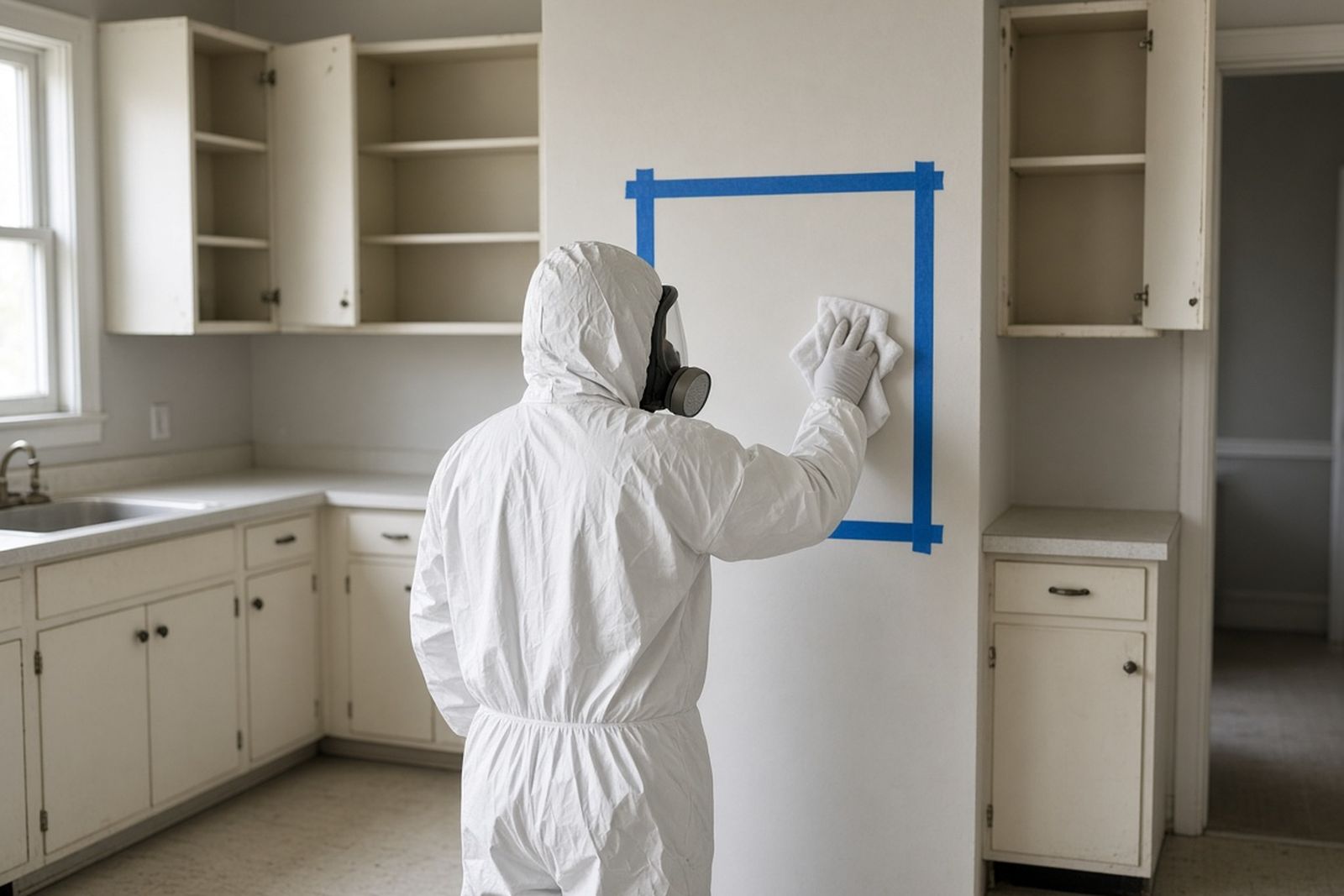
Which Federal, State, and Local Rules Apply to Meth Lab Cleanup?
How EPA guidance, state drug-lab statutes, local health orders and disclosure laws fit together for a former meth lab, and how to learn which apply to you.
Meth lab cleanup rules come mainly from states and localities. At the federal level, EPA publishes voluntary cleanup guidelines and OSHA protects workers. Many states have drug-lab statutes that may require certified contractors, work plans, clearance sampling and property release, while others have no specific law. Local health departments often post and release properties, and some states add disclosure requirements for sellers and landlords.
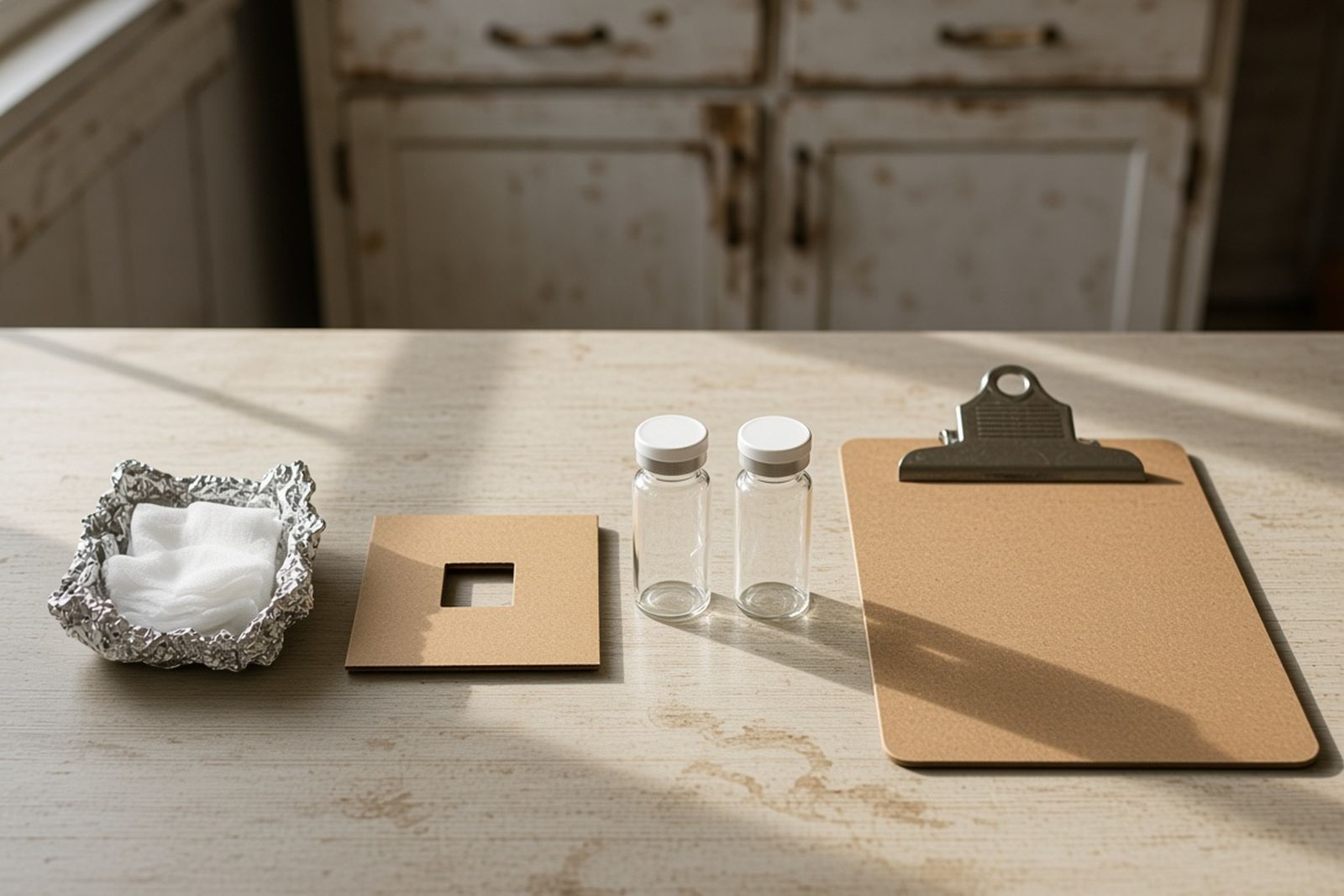
How to Research Waste Rules for Meth Lab Cleanup
How to research disposal rules for former meth lab waste: bulk lab chemicals, removed carpet and drywall, wash water, ductwork, PPE, sharps and septic concerns.
Research meth lab waste in two phases. Bulk chemicals and lab equipment are usually removed by law enforcement and its hazardous waste contractors before remediation. Remediation waste, such as carpet, drywall, ductwork, PPE and wash water, is then governed by your state's meth program, solid waste rules and local wastewater limits. Check each stream with the state program, landfill and sewer utility, and keep disposal records.
Sourced figures on regulations
- 30 states
Thirty states have drug-lab cleanup statutes: 11 written narrowly for meth labs and 19 covering 'clandestine laboratories' or controlled-substance manufacturing sites generally.
Read with care: Having a statute does not guarantee a numeric cleanup standard or enforcement funding.
Source: Legislative Analysis and Public Policy Association (2025)US state statutes as of April 2025
- 2009 / 2013 / 2021
EPA's Voluntary Guidelines for Methamphetamine and Fentanyl Laboratory Cleanup were first issued in 2009, revised in 2013 and updated again in August 2021 to add fentanyl.
Read with care: The guidelines are voluntary and set no federal numeric cleanup standard.
Source: US EPA (2021)Federal guidance, United States
- 1.5 µg/100 cm²
Washington State's methamphetamine decontamination standard is 1.5 µg per 100 cm², which the state says was based on negative health effects found in people.
Read with care: Washington's limit is 15 times higher than the 0.1 µg standard used in several other states.
Source: Washington State Department of Health (2025)Washington State regulation
These figures are public research and agency data, not this network's own job records. Keep each number with its population, year and limits; none of them predicts cost, timing or outcome at a specific property.
What research has found
Findings from published studies of people and properties in situations like this one. They describe what researchers observed in a specific group; they are not predictions for your case.
Contaminated materials released methamphetamine into air.
Toys and personal items brought into the home contained residue.
Regulations: common questions
Is there a single federal standard for meth residue?
No federal residue limit applies to every property. The EPA has published voluntary guidelines. States set their own rules where they have programs, and those state standards may differ from each other. Ask your state health or environmental agency which standard applies to your property. Ask how the results must be reported.
Can a contractor from another state follow its home state's rules here?
No. The rules where the property is control the work. That includes any residue limit, testing method, and license rules. A contractor with experience elsewhere may still do good work. But it must meet the rules where you are. Ask it to describe your local rules, and confirm its answers with the agency.
Does decontamination require a building permit?
Sometimes. Removing drywall, ducts, fixtures, or plumbing may need a permit in one town and not in another. Rebuilding afterward usually raises permit questions too. Some programs also work with building officials before releasing a property. Call your local building department. Describe the removal you have planned and ask what applies.
Do disclosure rules apply after clearance?
In many places, yes. Some states require sellers or landlords to disclose that a property was a lab even after it has been cleared. Others require disclosure only before clearance. Check your state's disclosure rules and talk to a real estate lawyer. Sharing the clearance records along with the disclosure can help. It shows buyers and tenants that the property was handled properly.
Can a property be condemned because of meth contamination?
In some places, local officials can declare a contaminated property unfit to live in until it is cleaned and cleared. The exact process and terms depend on local codes and state programs. If your property gets such a notice, contact the agency that issued it right away. Learn what is needed to lift it and how long you have to respond.
What rules apply to outbuildings and sheds?
Sheds and other outbuildings used for making or storing meth can fall under the same cleanup rules as the main building. It depends on your state program. They may also have outdoor dumping or burning areas nearby. Include them in your inspection. Ask the program whether they need separate testing or can be torn down. Tearing them down may require permits and proper waste handling.
How do I find the right agency for my property?
Start with your county or city health department. It often handles notices and releases for meth properties. Your state health or environmental agency may run the meth program and keep lists of certified contractors. If you are not sure, call the health department. Ask who oversees properties used as illegal drug labs in your area. Keep a record of the people you reach.
Related community polls
Every count is a real visitor vote; nothing is seeded or padded. One vote per poll per device, and you can change your answer.
If a house you wanted had a documented lab cleanup that passed clearance, what would you most likely do?
Which factor would you weigh most when choosing a meth cleanup contractor?
More on meth lab cleanup
Meth Lab Cleanup services
See how the inspection, chemical cleanup, duct work, and clearance testing fit together on a former lab or heavy-use home before you hire.
Costs explained
What drives the price, published cost ranges, and how to read a written quote line by line.
Insurance and payment
Which policies may respond, how to document a claim, and what to do if coverage is denied.
Planning tools
Use hands-on planners for lab properties. They sort out costs, questions for providers, insurance steps, first-day actions, waste types, and the risk of doing it yourself.
Community polls
See how other owners, buyers, and landlords think about disclosure, sampling, and contractor choice, then compare your own view with theirs.
Knowledge quiz
Test what you know before you talk with a provider. Topics include how residue spreads, state programs, sealing off work areas, cleanup steps, waste, and clearance records.
Field guides
Dig into step-by-step guides on inspections, soft materials, and ducts. They also cover landlord duties and building a strong file for future buyers.
City guides
Find cleanup and testing providers who serve your area. Remember to check every credential directly with the state agency.