1Recognizing a lab or heavy-use property
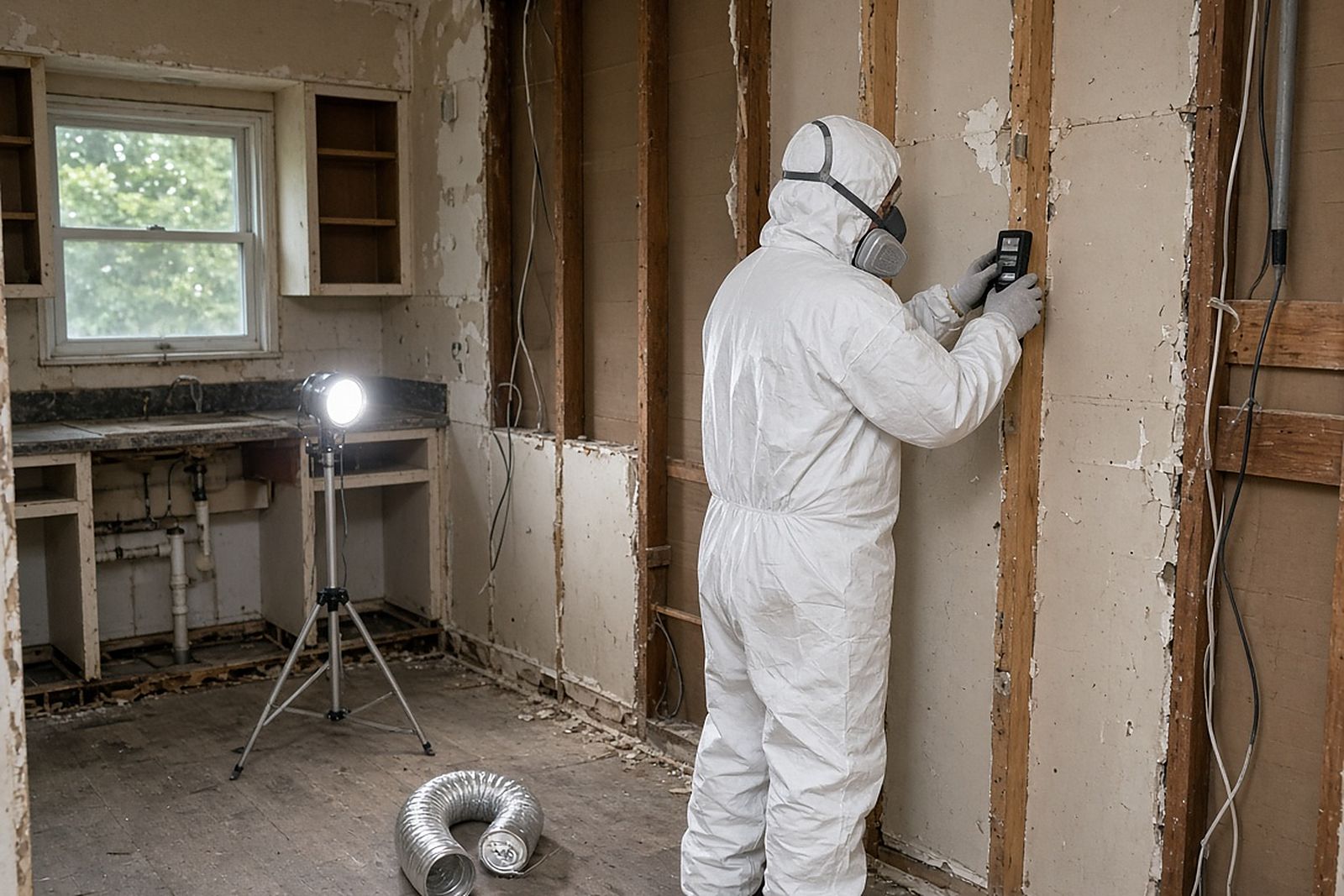
Making meth leaves clues that ordinary cleaning does not remove. Look for yellow, brown, or rust-colored stains on walls and ceilings. Look for chemical smells that stay after airing out and for corroded plumbing fixtures. Watch for changes like sealed or rerouted vents. Strong signs include thrown-out glassware, tubing, cold packs, lithium battery casings, and lots of solvent or drain cleaner containers. A heavy-use home may show none of the signs of making meth. It may still carry residue from repeated smoking. This is often worst near seating areas and in the air system. If you find active chemicals or equipment, leave and call the police. Do not move anything. Spotting the signs is about deciding to test. It is not about proving contamination on your own.
2Who has authority and when you can act
After police or a hazmat team removes active chemicals, the building is usually released to the owner. But that release does not mean it is safe to live in. Many states have a program that controls what happens next. It may include a public listing, a required inspection, and a formal clearance process. The owner is usually responsible for arranging that work. Tenants cannot approve a cleanup. Where a state program applies, a contractor cannot declare a property cleared on its own. Before you sign anything, find the agency that oversees drug-lab properties where you live. Ask what steps, forms, and qualified people are required. Rules vary by state and county. So check locally instead of relying on what happened somewhere else.
3Containment and keeping residue where it is
Residue travels on dust. So anything that disturbs surfaces can spread it into rooms that were cleaner. Containment means sealing off the work area with plastic walls. It means controlling airflow so air moves from clean areas toward the work zone. It also means shutting off the heating and cooling system so it does not blow particles around. Workers wear respirators and throwaway coveralls, and they clean up before leaving the zone. What does this mean for a homeowner? Once you suspect contamination, stop using the furnace or air conditioner. Keep doors closed. Do not sweep, use a household vacuum, or tear out finishes before there is a plan. Good containment protects units next door in shared buildings. There, shared ducts or hallway air can carry residue next door.
4Cleaning versus disinfection versus decontamination
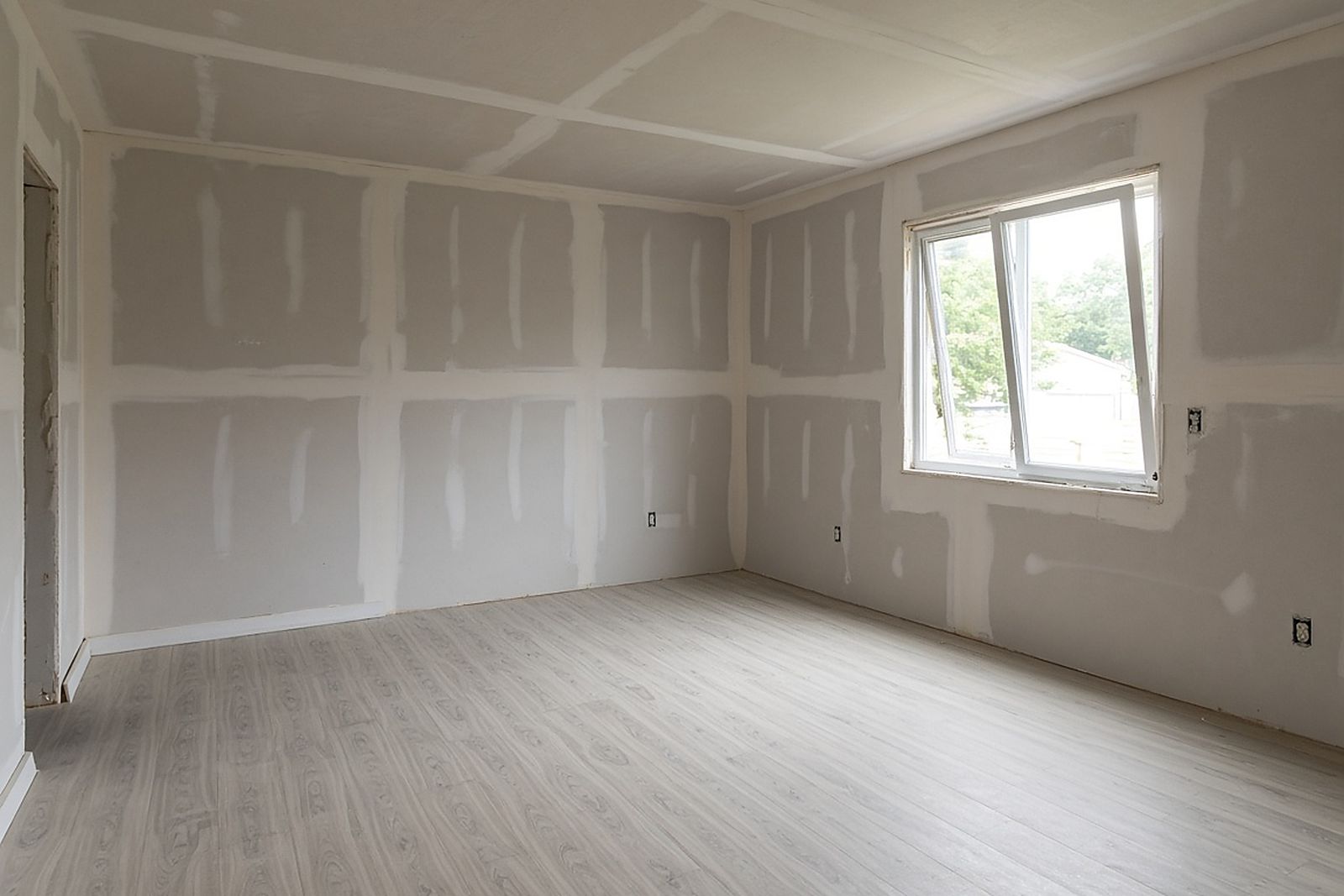
These words do not mean the same thing. Cleaning removes dirt you can see. Disinfecting kills germs, which has little to do with chemical residue. Decontamination is the goal here. It means lowering chemical residue on surfaces to a level that meets the standard that applies. That is done mainly by physically removing it. Crews use HEPA vacuums with very fine filters to catch dust. They wash hard surfaces with detergent and rinse again and again to lift residue. They remove soft materials that cannot be washed well. Painting, sealing, or fogging with a scent does not decontaminate. It can hide residue and make later testing harder. Some places allow certain surfaces to be sealed over after washing, but only as part of a set process. When a contractor describes their process, listen for removal steps and rinse cycles, not just product names.
5Where the waste goes
Materials pulled from a former lab are not all the same. Leftover chemicals, soiled liquids, and used wash water may count as hazardous waste. That may require a licensed hauler and the waste shipping record, which follows the waste to where it ends up. Removed carpet, drywall, and furniture are often treated as contaminated debris. Some landfills accept it only with notice and paperwork ahead of time. Others refuse it. Regular trash rules apply to materials that never touched residue. The property owner is usually treated as the one who created the waste. That means the paperwork protects you. Ask the contractor which category each type of waste falls into. Ask who the hauler is and what records you will get. Rules vary by state and county, so check with the local environmental agency.
6Documentation and verification
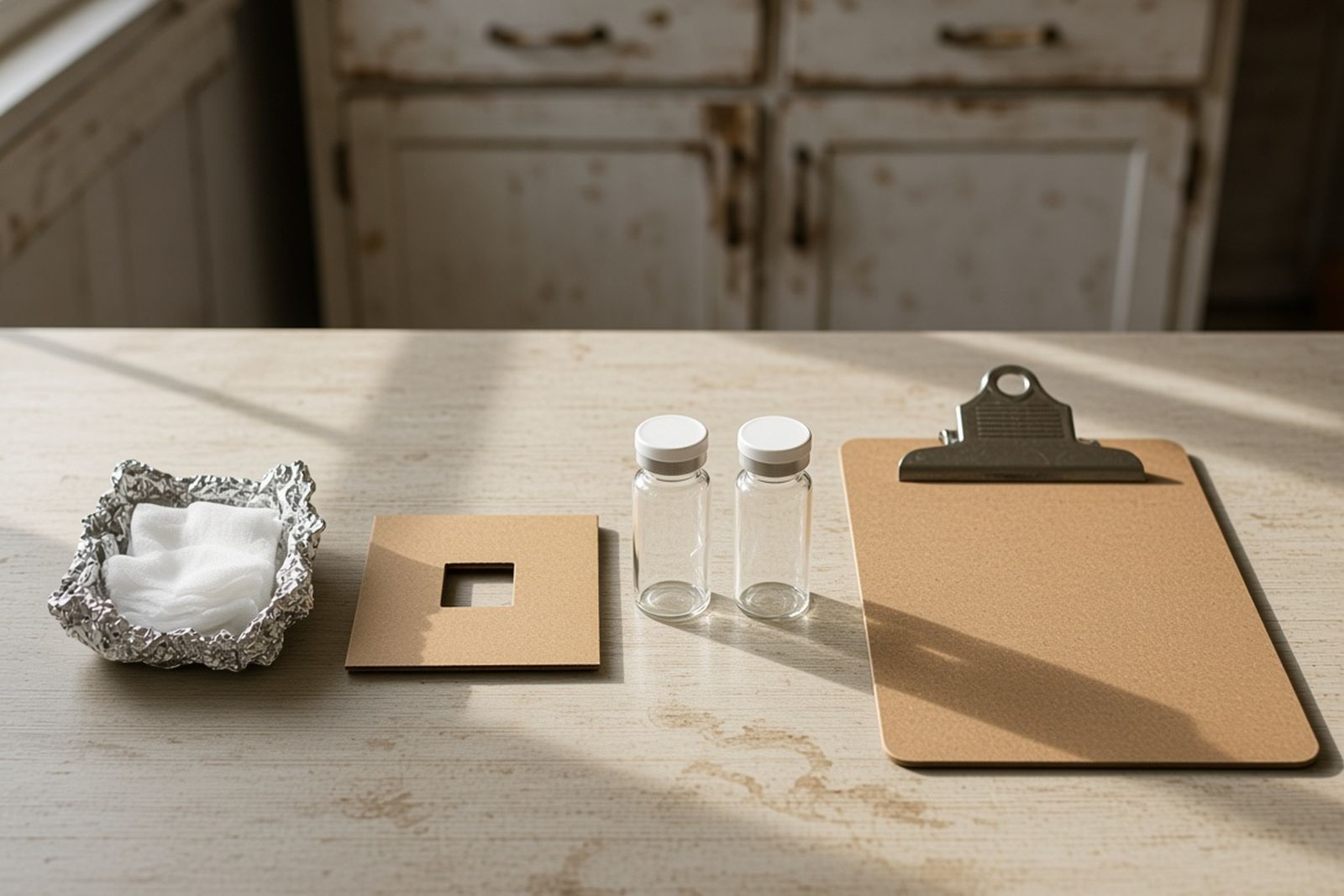
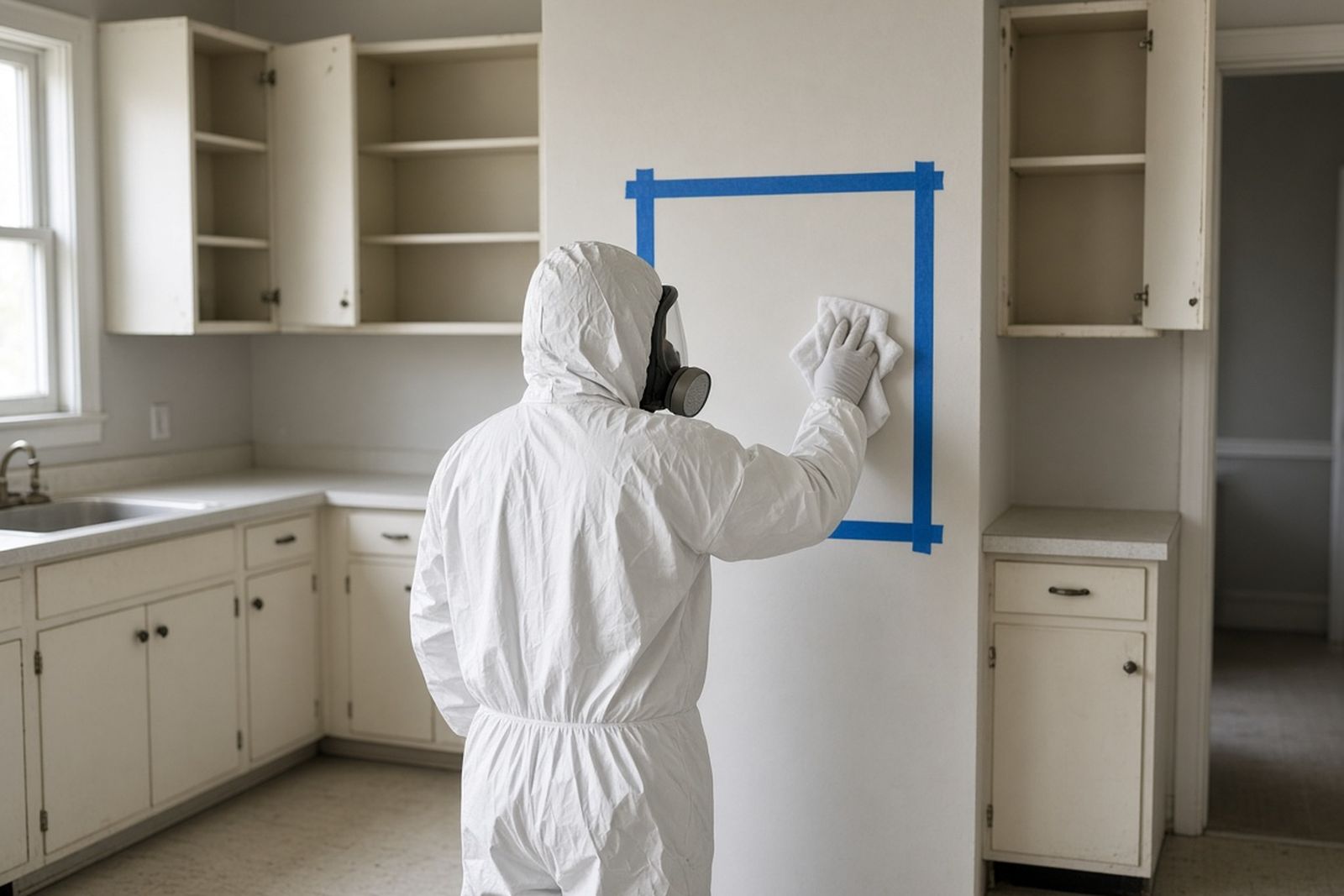
A cleanup is only as good as the file that proves it. The file should start with the first inspection, with sample spots drawn on a floor plan. It should include lab reports with chain-of-custody forms and the written cleanup scope. It should have before and after photos. It should include the waste shipping records or disposal receipts. It should list what was done to the heating and cooling system. It should also include the final clearance results, compared to the standard your state uses. An agency may issue a release letter or take the property off a public list. If so, that letter belongs in the file too. Passing means the numbers meet the rule. It does not mean the house smells fine or looks fresh. Keep the file forever. Share it with buyers, lenders, and future tenants as disclosure rules require.