Short answer
For meth lab cleanup, the most important question is not whether a company is local or national but whether it is authorized under your state or local program and familiar with its standard, forms and clearance process. Compare providers on approval status, independent sampling, written work plans tied to results, containment and waste practices, crew training, insurance and the quality of their final documentation.
Why location matters more here than in most services
Meth decontamination is shaped by state and local rules to an unusual degree. Some states license or certify decontamination contractors and publish lists of approved firms. Some require a separate, independent sampler for clearance. Some require specific forms, notices or agency review before a property is released. Other states have little or no specific regulation.
Because of that patchwork, a company that does excellent work in one state may not be authorized, or may not know the paperwork, in the next. Local or regional firms often specialize in a single state program and know its reviewers, forms and common pitfalls. National firms may have broader resources but must adapt to each jurisdiction.
The first call should go to your state health department's drug-lab program, where one exists. It can tell you whether contractors must be certified or listed, whether samplers must be independent and what documents it expects at the end of the job.
What should you confirm first, regardless of company size?
Start with authorization. If your state maintains a list of approved or certified decontamination contractors, confirm the company appears on it, and check that the certification is current. If your state has no program, ask what standard the company will clean to and what guidance they follow.
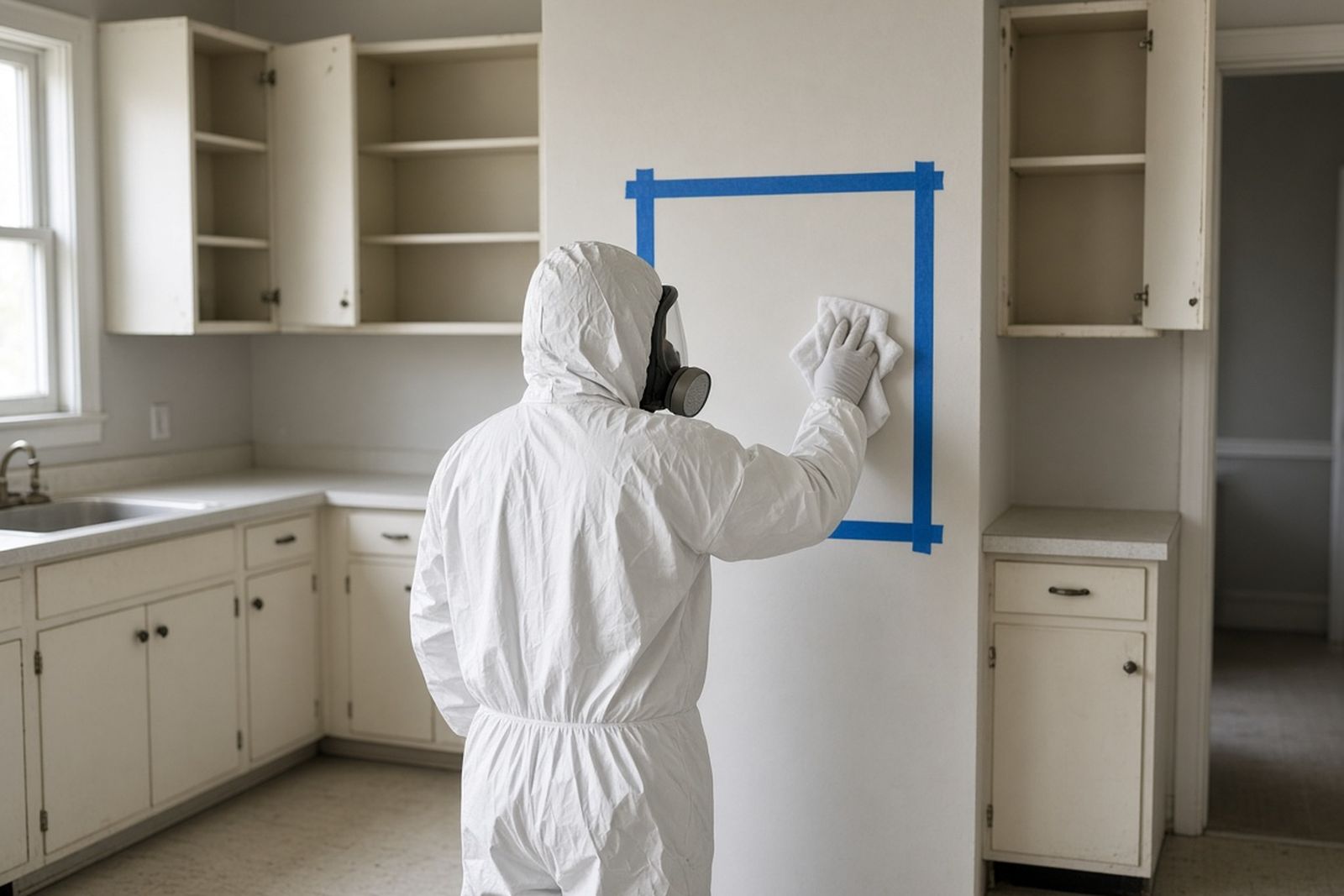
Next, confirm how sampling will work. Ask whether the company expects to collect its own clearance samples or whether an independent sampler will be used. Independence removes a built-in conflict of interest, and some jurisdictions require it.
Then ask about the paperwork. A provider who can show you a redacted example of a completed work plan and final report from a past job in your state is demonstrating exactly the kind of program knowledge you need.
- Is the company certified, licensed or listed where required?
- Who collects assessment and clearance samples, and are they independent?
- Which cleanup standard will the work target, and where does it come from?
- Can the company show a sample work plan and final report?
- Which agency, if any, reviews the results before reoccupancy?
Local or regional vs national firms
Local firms often know the state program's staff, the local health department's expectations and which landfills accept contaminated debris. They may have working relationships with independent samplers and accredited laboratories that turn results around reliably.
They also tend to know local building stock. A contractor who has cleaned dozens of homes of a certain era in your area may know where residue tends to collect in those floor plans, what kind of ductwork they have and how their materials respond to washing.
Smaller firms may have fewer crews, which can affect scheduling, and less capacity for very large or commercial projects. Ask how many jobs they are running at once and who supervises each.
National or multi-state firms may bring larger crews, more equipment, broader hazardous materials experience and the capacity to handle large commercial buildings, multifamily complexes or portfolios spread across several states. Property management companies and lenders with properties in many places sometimes prefer a single firm for consistent reporting.
Their challenge is local compliance. A national firm working in your state must still hold any required state authorization and follow the local program's procedures. Ask whether the specific crew and supervisor assigned to your job have worked under your state's rules before, and whether the firm has an in-state office or relies on subcontractors.
If subcontractors will do the work, confirm that they hold any required authorization themselves, and find out who is responsible for the final report.
Ask, too, how the firm handles an emergency after a fire or police raid, when a property must be secured quickly before the formal cleanup begins. A company that knows the local responders and can board up, lock down utilities and coordinate with the sampler gives you a steadier start.
Comparing bids and the paperwork behind them
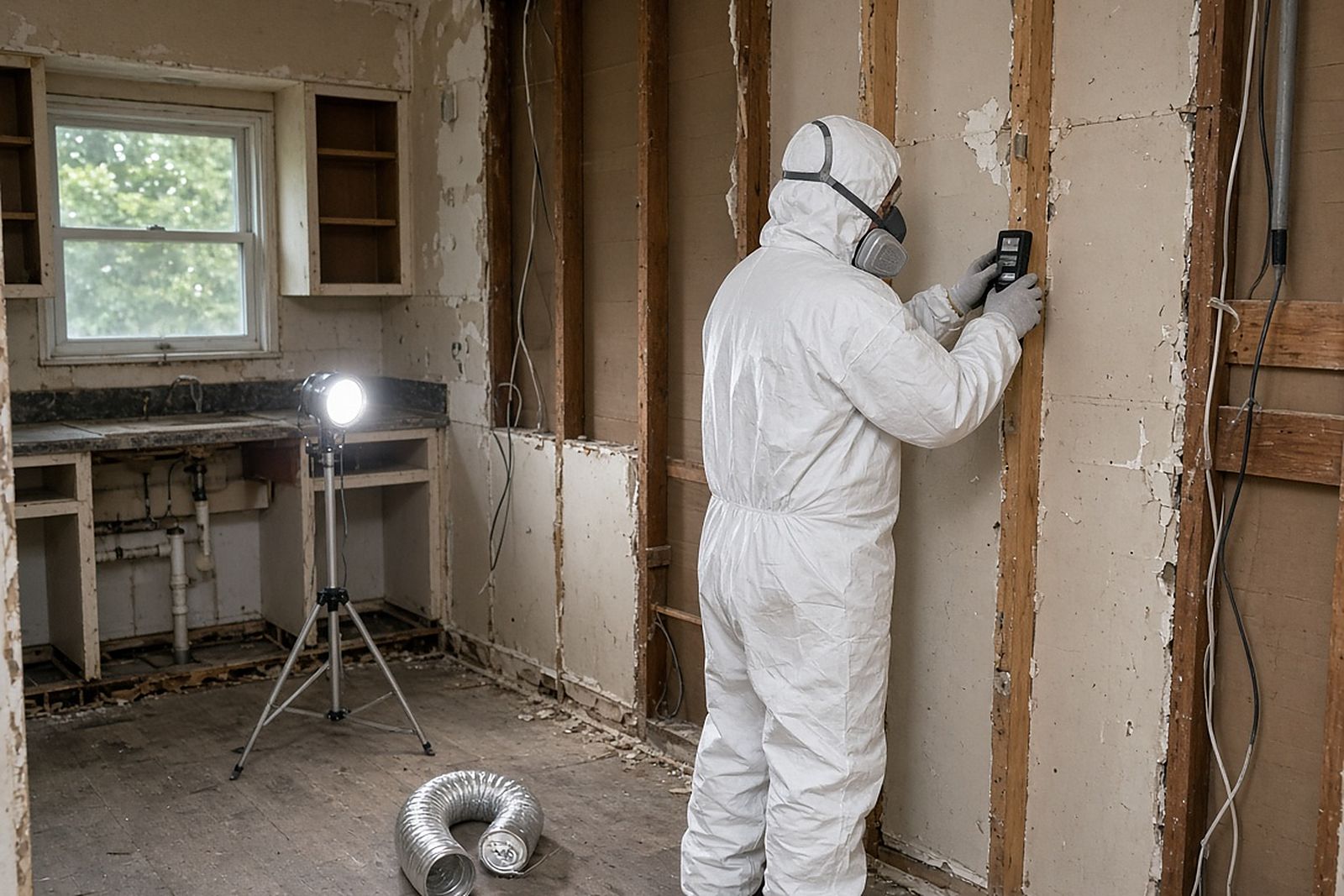
Give every bidder the same assessment sampling report and ask for a written work plan based on it. The plan should list each room or area, the materials to be removed, the cleaning method for each surface type, HVAC and plumbing work, containment, waste handling and the clearance approach.
Look for plans that tie tasks to results. A bid that proposes removing everything without reference to sampling data may be overbuilt. One that proposes little removal in rooms with high results may be underbuilt. Ask each bidder to explain the differences.
Published cost averages can give context but not a quote. They come from single programs in past years, so rely on written bids for your property, built on your own sampling report.
Owners often underestimate how much of this job is paperwork. The work plan, daily logs, photographs, waste receipts, sampling results and agency correspondence all end up in a file that may be read by a title company, a lender or a future buyer. How a company produces that file is worth comparing.
Larger firms often have standardized report templates and project management software that keep documents organized and consistent across jobs. That can be a real strength, especially for owners with several properties. Ask whether their templates have been adapted to your state's forms, since a generic national report may leave out fields a state reviewer expects.
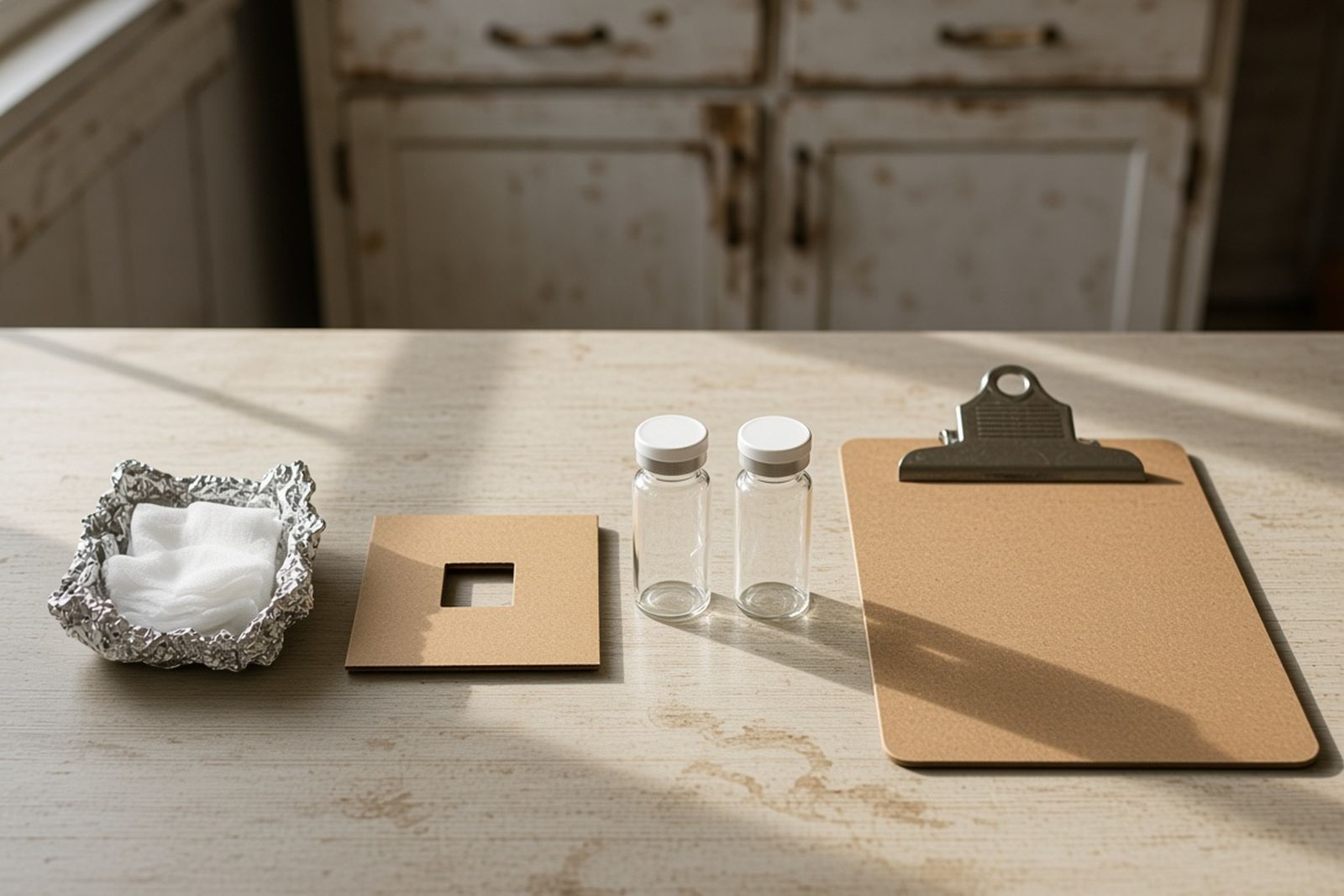
Smaller local firms may produce less polished reports but tailor them closely to the state program. Ask to see an example, and check that it includes sample locations, laboratory reports, chain-of-custody forms and a clear statement of the standard used.
Communication during the job matters as well. Ask who your single point of contact will be, how often you will get updates and how quickly questions are answered. A named person who answers the phone is often worth more than a large organization with a general inbox.
Choosing when your state has no program
Many owners are in exactly that position, because a number of states have no law at all governing cleanup of properties contaminated by controlled substances.
Without a program, there is no official list of approved contractors to check, and it is easier for inexperienced companies to enter the market. In that situation, lean on federal voluntary guidance, ask what standard each bidder proposes to meet and why, and insist on independent laboratory clearance sampling even if no one requires it.
Local health departments may still offer advice, and a buyer, lender or insurer may impose its own requirements that effectively set the standard for your project.
Illustrative case: a lender-owned house and three bids
This case is illustrative only, not a real transaction. A regional bank takes possession of a foreclosed house that tested above the state standard. The state keeps a list of certified decontamination contractors and requires an independent sampler for clearance.
The bank receives three bids. A local firm on the state list submits a work plan that follows the state's template closely and names the independent sampler it usually works with. A national firm submits a polished plan with more equipment, but its local crew is subcontracted and the subcontractor does not appear on the state list. A third company, also local, offers a low price and says it will collect its own clearance samples.
The bank rules out the third bid because the state requires independent clearance sampling. It asks the national firm to confirm certification for its subcontractor; the firm offers to assign a certified in-house crew from a neighboring state, but that crew would need to obtain state certification first. The bank chooses the local firm, hires the independent sampler directly and receives a final report that the state program accepts without revisions.
Red flags that apply to any provider
Be cautious with any company that says testing is unnecessary, promises results before sampling, proposes to paint over contamination, relies on foggers or sprays without removal and washing, or cannot tell you which standard it will meet.
Watch for pressure to sign quickly, reluctance to provide proof of insurance or certification, and vague invoices that lump all work into a single line. Ask how complaints are handled and check your state's consumer protection office and licensing board for records.
The right choice may be local or national. What matters is authorization under your rules, independent verification, a work plan built on data and a final report that will satisfy the buyers, lenders, tenants and regulators who may read it long after the crew is gone.